
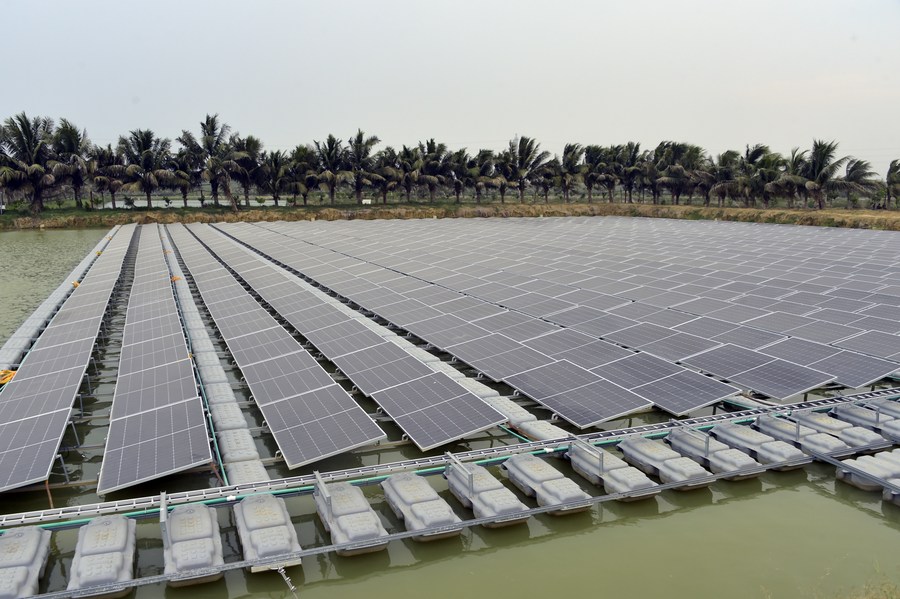
In the Amazon area, the indigenous peoples’ regional coordinator of San Lorenzo initiated a pilot fish farming project on their land. The system operates with six solar panels generating around 900W linked to batteries that store energy for its functions. It energizes oxygenation systems, freezers, lighting, and various pond-related devices. Applying these technologies is anticipated to lower monthly electricity expenses. Solar eliminates carbon emissions and pollution within Peru’s energy sector. The water quality has been enhanced by solar-powered water systems. Battery-powered systems guarantee continuous functionality and extended durability. In doing this, Peru is at the forefront of a new trend in sustainable aquaculture by incorporating solar energy into fish farming. This model integrates food security, renewable energy, and community empowerment into an engaging narrative of local creativity. Post insulators guarantee safe and effective electrical transmission in overhead power lines
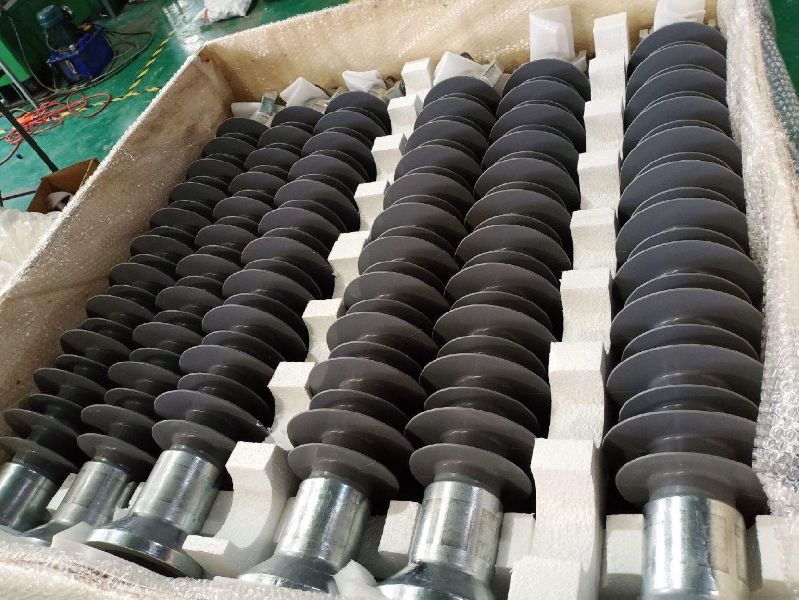
Solar-powered fish farms depend on photovoltaic panels to generate electricity for aeration pumps, filtration systems, and monitoring devices. Overhead power lines connect solar panels, batteries, pumps, and aerators. Using post insulators prevents short circuits by insulating live wires from the supporting structure. It also provides structural stability for overhead wiring between solar arrays, charge controllers, and pumps. The insulators are made from materials that resist UV, corrosion, and moisture. They are able to reduce fire risks from electrical faults and prevent accidental electrocution. In fish farming, post insulators function in overhead lines from solar panels, pump and aerator power lines, and fencing.
Functions of post insulators in solar-powered fish farming infrastructure
Fish farming depends on ground-mounted panel supports and structural elements, where post insulators are crucial. Solar-powered fish farms pair photovoltaic systems with aquaculture to power pumps, aeration, chillers, and processing equipment. Post insulators protect electrical infrastructure to keep power flowing safely, reliably, and resiliently. The insulators prevent current leakage to grounded structures like poles and racks. They also hold conductors, busbars, or jumpers at correct clearances under wind loads. They are also able to resist UV and salt spray. Here are the roles of post insulators in solar-powered fish farming in Peru.
- Protect pumps and aerators—fish farms use DC/AC pumps and aerators. An insulator failure can cause outages that stress aquaculture.
- Reduce fire and shock risk—the wet and conductive environments raise fault risks. Quality post insulators reduce risks by preventing unwanted current leakage.
- Improving uptime in remote areas—most of the regions have limited grid backup. Post insulators increase system reliability and reduce maintenance trips.
- Enable hybrid centralized wiring layouts—proper selection of the insulators can run safe overheads across ponds and control huts. This simplifies the installation and maintenance processes.
- Mechanical support—the insulators provide structural stability for overhead wiring between solar arrays, controllers, and pumps.
Importance of solar energy systems for aquaculture infrastructure in Peru
The aquaculture industry in remote regions of Peru encounters distinct challenges, including the availability of dependable, cost-effective energy. Solar energy-driven infrastructure allows fish farming activities to prosper in areas where conventional electricity is expensive and inconsistent. Infrastructure powered by solar energy supports sustainable, profitable, and resilient aquaculture in Peru. It links renewable energy to food security, economic development, and environmental care. This establishes it as a blueprint for rural advancement throughout the Amazon basin and further. Its significance in Peru is elaborated on below.
- Energy self-sufficiency—remote fish farms function away from centralized power networks. It requires solar panels with battery storage to power aeration systems, water pumps, and monitoring devices. Communities lower reliance on diesel generators, which are costly to operate and upkeep.
- Enhancing output and fish well-being—a reliable energy supply is essential for aeration and oxygenation systems, managing water quality, and storing feed.
- Lower operational expenses—solar systems decrease fuel requirements and lessen maintenance demands.
- Increasing market opportunities—farmers can extend the processing and storage time of fish, enabling bulk sales or reaching remote markets. Solar refrigeration allows involvement in regional and urban supply networks.
- Strengthening indigenous and rural economies—solar-enabled initiatives demonstrate that renewable energy can enhance food security, create jobs, and promote local skill development. This is important, as solar systems can be easily managed and fixed with minimal training.
- Environmental and social advantages—solar power lowers emissions, diminishes noise and pollution, and positively contributes by alleviating energy poverty and preserving cultural food practices