
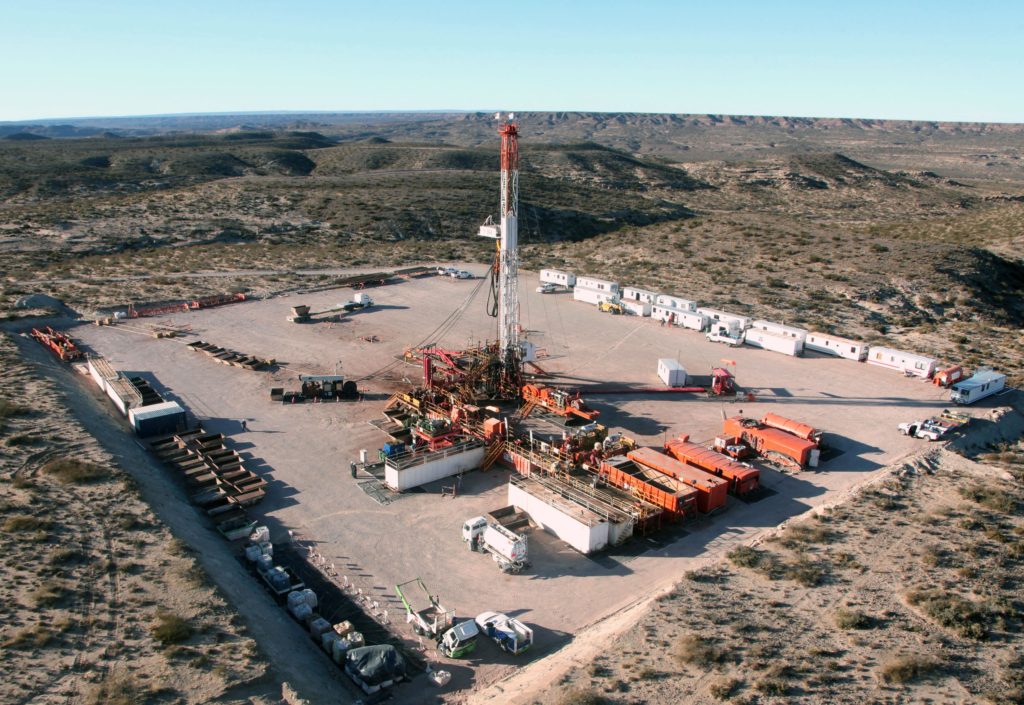
Argentina is discussing the initiatives to promote green hydrogen production and integration with renewables for low emissions. This initiative aims to lower emissions, cut costs, and secure long-term competitiveness. Producers are increasingly powering drilling rigs, pumping stations, and midstream facilities with electricity instead of diesel. This electrification reduces fuel costs and emissions, which supports the long-term viability of shale production. By lowering carbon emissions through cleaner production, export opportunities in Argentina are protected. This will help shield upstream economics from price shocks and currency risks. This development leads to the development of other supporting infrastructure like roads, pipelines, storage facilities, and enhanced oil recovery initiatives. Such development demands the use of the socket clevis for structural integrity and safety.
Forged clevises fabricated wire rope termination devices used on hydrocarbon production infrastructure. They function at the top of the mast and at the anchor points on the ground to terminate the guy wires. They transfer the immense tensile forces from the mast to the ground anchors. The socket clevis connects the main support cables or hanger rods to the pipeline’s suspension clamps and the support towers. They allow for slight articulation and movement due to thermal expansion, contraction, and wind-induced sway. This is crucial to prevent the buildup of dangerous stress concentrations in the pipeline or support structure.
Production facilities, gas plants, and compressor stations in Argentina need the use of socket clevises for support. The clevises provide tie-down points for vertical vessels, horizontal tanks, and other tall equipment. They brace the structures against seismic activity and other dynamic forces. This ensures they remain upright and secure. Socket clevises create permanent or semi-permanent lifting points on heavy modules, wellheads, and other equipment. This allows safe and controlled lifting during installation.
Importance of using socket clevises in Argentina’s hydrocarbon infrastructure
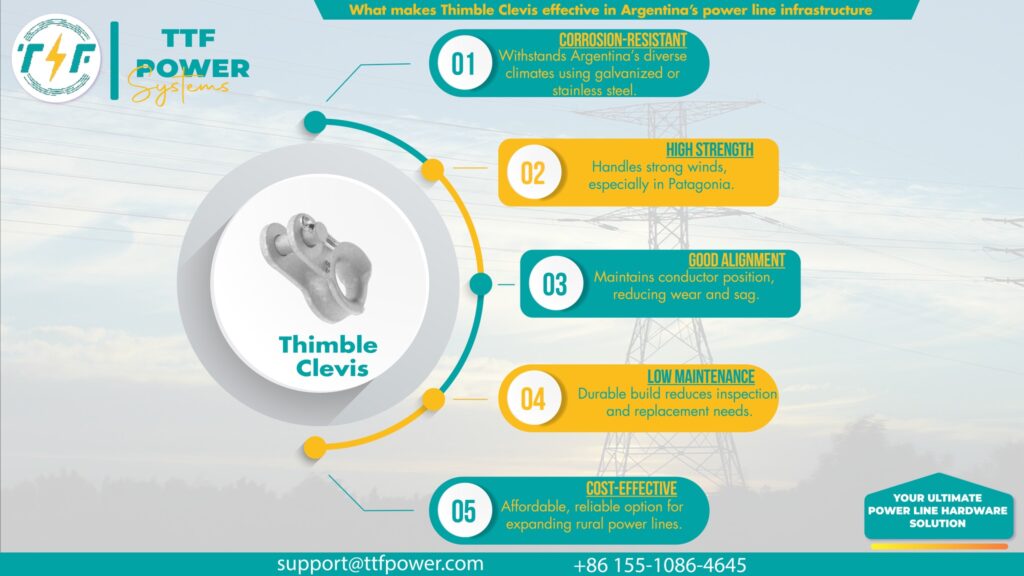
The rapid development and high density of well pads in Vaca Muerta mean a massive proliferation of equipment. The use of reliable socket clevises is crucial to the operational safety and efficiency across rigs and facilities. High-quality socket clevises are corrosion resistant to ensure long-term reliability. The remote locations of Argentina’s oil fields lead to equipment failure. Using robust and reliable components like the socket clevis reduces downtime and high costs for repair and transportation. The socket clevis systems provide ductile, articulated bracing that is crucial to rigid connections as they absorb energy and movement without catastrophic failure. Socket clevises provide reliable performance for safe and profitable operation of Argentina’s critical energy infrastructure.
Functions of the socket clevis in hydrocarbon production infrastructure
Socket clevises are devices that keep transmission structures stable, power lines secure, and field operations smooth. The clevis links conductors or insulator strings to towers and poles in transmission and distribution networks. The clevis provides structural connection, load transfer, secure movement control, and durability in harsh conditions. Here are their functions in hydrocarbon production infrastructure in Argentina.
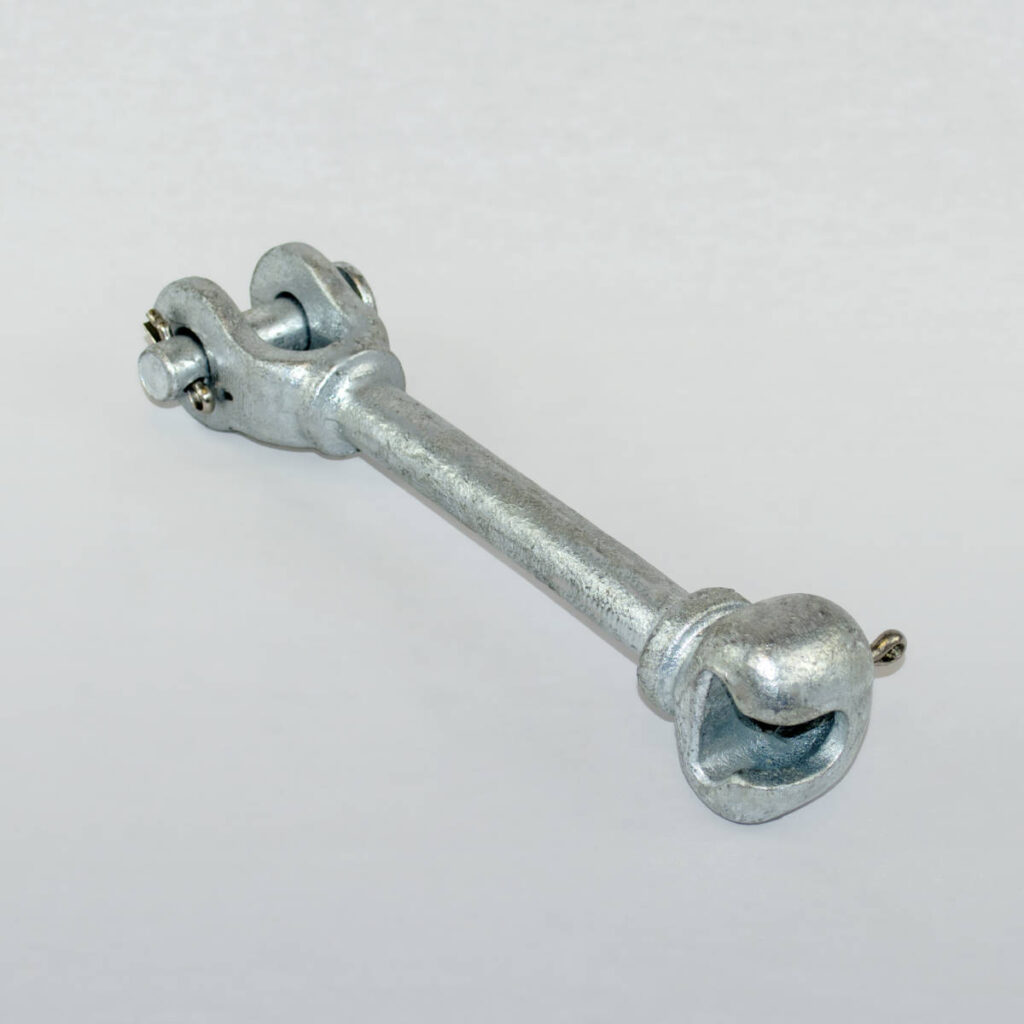
- Transmission lines feeding Vaca Muerta—socket clevises hold insulators in place for high-tension lines delivering electricity to rigs, compressors, and processing plants.
- Field electrification for drilling and fracking—overhead lines and field distribution networks need robust connections for switching from diesel to electric rigs. The clevises keep insulator assemblies stable during dynamic drilling operations.
- Pipeline pump and compressor stations—socket clevises help secure insulator chains on supply lines running across pipeline corridors.
- Remote sensing and SCADA power systems—use of the socket clevis fittings to maintain line stability during strong winds and storms.
Contribution of socket clevises in renewable integration in energy projects
Argentina is increasingly integrating renewable energy into hydrocarbon production and other industrial activities. Patagonia’s wind farms need strong overhead lines to move energy toward industrial zones. Socket clevis hardware ensures stable and safe conductor support. The clevis joints help secure strings for reliability in remote sites. This is crucial for solar-battery-gas hybrid systems that use overhead feeders for internal power distribution. Additionally, as renewable capacity expands, grid strengthening demands stable fittings to handle new voltage levels and load flows. Socket clevises protect power lines, support safe grid expansion, enhance reliability for low-carbon hydrocarbon production, and improve transmission resilience in challenging terrain.