
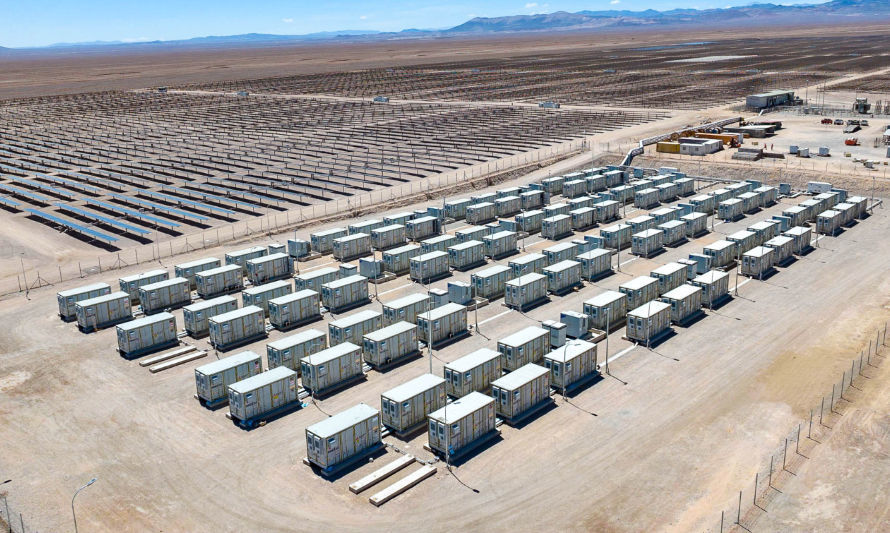
Chile is reaching its 2030 BESS target ahead of schedule, which marks a turning point in its clean-energy revolution. It signals a system moving from renewable expansion to genuine energy flexibility and grid modernization. The increased solar production in the Atacama Desert demands rapid deployment of storage to address curtailment and maximize generation value. This development positions the country as a blueprint for flexible, low-carbon power systems in South America. The next phase for Chile is about refining market design, building smarter grid infrastructure, and ensuring the storage wave delivers long-term system-wide benefits. Using crossover clamps is crucial for the structural and electrical integrity of the battery storage installations.
A crossover clamp is a specialized component designed to safely and securely manage electrical conductors where they cross over each other. In the BESS container, there is a complex web of high-current busbars or cables connecting battery modules, power conversion systems, and disconnects. The crossover clamp is an electrically insulated assembly made of high-strength, non-conductive materials like fiberglass-reinforced polymer. This physically separates the two crossing conductors, fastens both conductors to a support structure, and electrically insulates them from each other. Using the crossover clamps is crucial for achieving the safety, reliability, and performance standards required for utility-scale BESS projects in the Chilean environment.
BESS operates at high DC voltages, often 1000V, 1200V, or 1500V DC, and can deliver high fault currents. The crossover clamp maintains a guaranteed air gap and provides robust dielectric strength between positive and negative busbars. The clamps provide a rigid, anchored support system that locks the busbars in place. They prevent movement, abrasion, and fatigue caused by vibration and shock. This ensures that electrical connections do not loosen and that the required separation is maintained at all times.
Technological innovations supporting the advanced success of Chile’s BESS projects
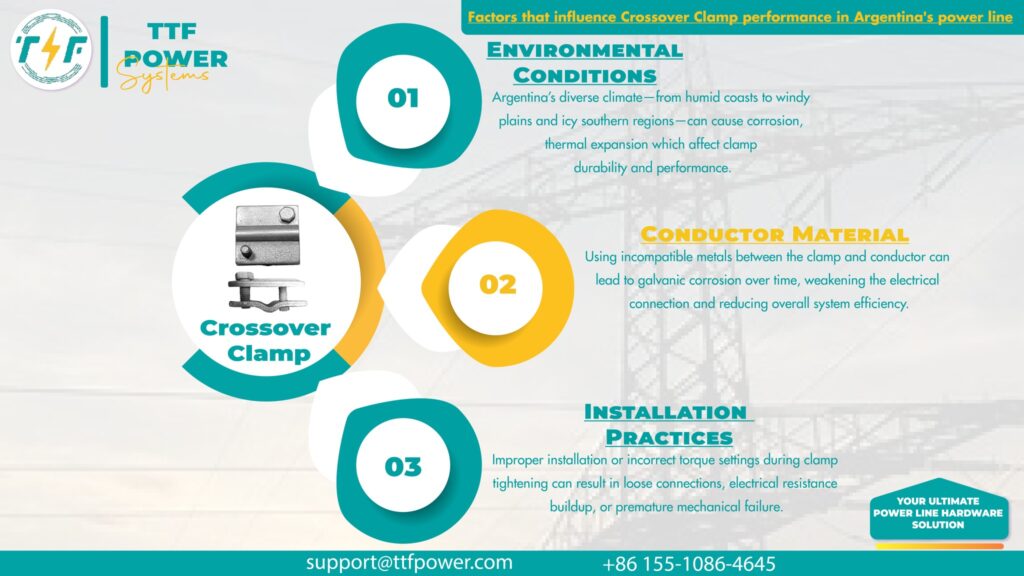
Chile’s rapid success with battery energy storage is tied to the adoption of advanced technologies. They help enhance performance, efficiency, and grid integration. The storage capacity is smarter and more capable storage that responds to a complex renewable system. Key innovations include advanced lithium-ion chemistries with improved thermal stability and longer lifespans. It also includes hybrid renewable and storage systems, AI-driven energy management systems, advanced thermal management technologies, and grid-forming inverter capabilities. These innovations enable higher renewable penetration, extend asset lifetimes, improve operational safety, increase project bankability, support complex industrial loads, and enhance market flexibility. Maintaining technological leadership will need continued grid modernization, investment in digital infrastructure, and training a skilled operational workforce. These innovations need robust hardware such as crossover clamps for secure and safe connections in Chile’s BESS.
Functions of crossover clamps in Chile’s BESS deployment
Crossover clamps ensure the safe and efficient deployment of BESS facilities in Chile. Storage installations in Chile expand alongside solar hubs and industrial energy loads. Crossover clamps maintain organized, secure, and reliable conductor support systems. Here are the main functions of the crossover clamps in BESS projects in Chile.
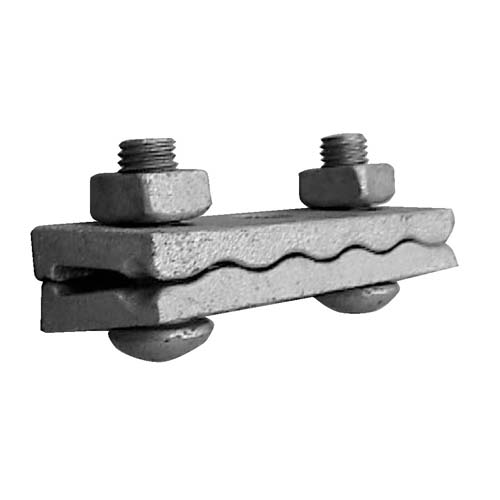
- Secure crossing conductors—crossover clamps hold and support conductors where they cross each other in overhead auxiliary cable networks within BESS installations. This prevents direct contact and reduces mechanical stress on both lines.
- Protect insulation and conductors—the clamps prevent abrasion, damage, and premature wear by keeping cables separated. This makes it important in Chile’s desert regions, where wind-driven dust and vibration can degrade exposed wiring over time.
- Maintaining structured cabling layout—BESS sites include circuits connecting battery racks, inverters, transformers, control systems, and communication units. The crossover clamps help maintain clean and safe routing of auxiliary power and control lines across the site.
- Ensuring mechanical stability—crossover clamps provide firm support against wind, seismic activity, and operational vibration.
Significance of increased BESS capacity in Chile’s energy sector
Chile’s surge in battery energy storage capacity signals more than technological progress. It marks a shift toward an energy system built around flexibility, stability, and long-term renewable dominance. Increased BESS capacity maximizes renewable output, strengthens grid reliability, supports industrial competitiveness, reduces fossil dependence, improves market efficiency, and enables electrification growth. The rising BESS capacity helps Chile build more renewable power and ensures that renewable power works when and where it is in demand. Continued investment in storage builds Chile’s leadership in flexible clean energy and strengthens its position as South America’s benchmark for a stable and low-carbon electrical system.