
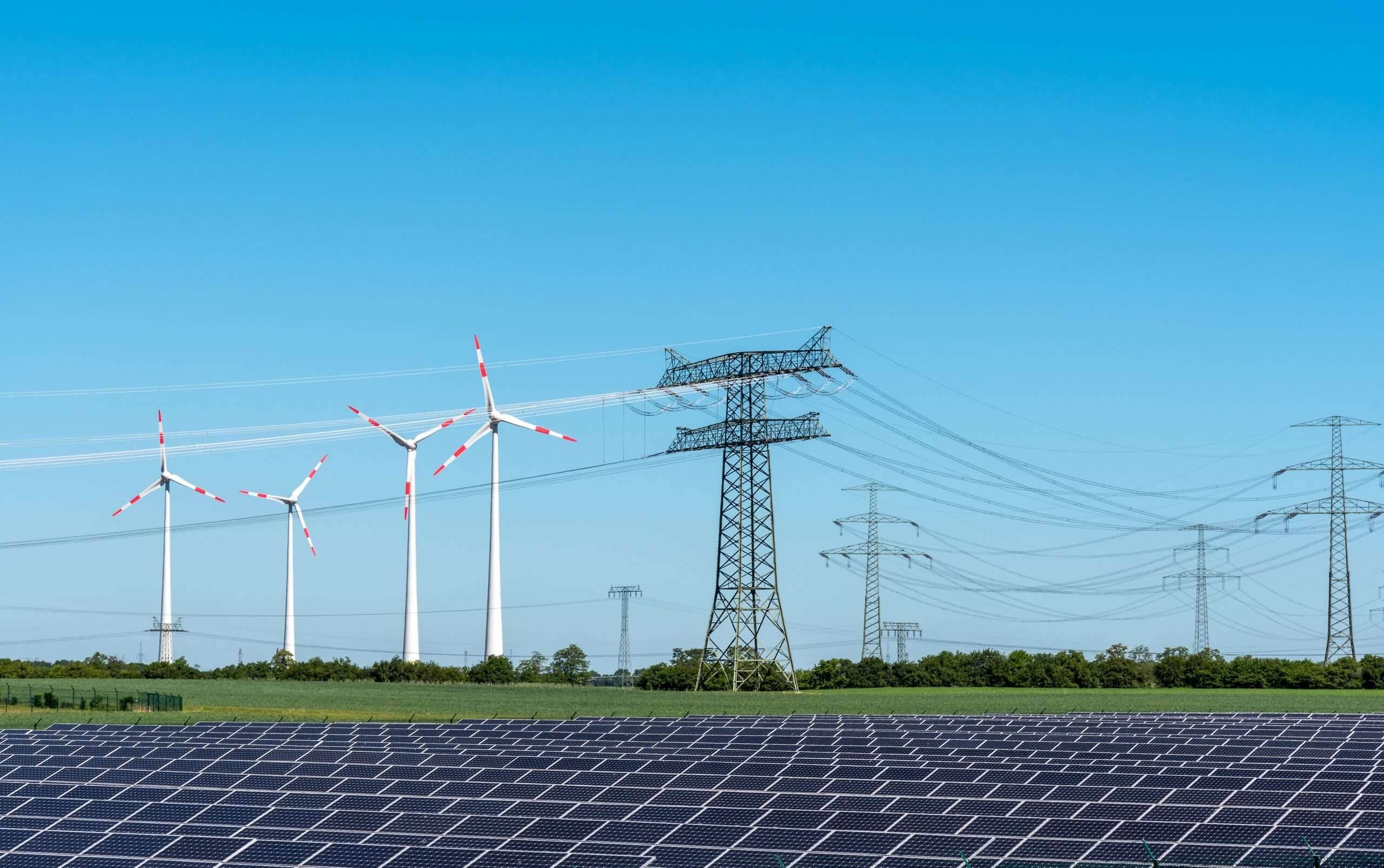
Chile’s electric power sector is now adopting the use of grid-forming technology (GFM) to balance energy production. This arises from the rapid shift toward high shares of solar, wind, and battery storage. The country’s electrical grid is transforming from a system dominated by generators into one increasingly stabilized by advanced power electronics. Additionally, there is increased use of solar-plus-storage projects built with grid-forming capabilities. Grid-forming technologies are crucial for frequency-setting during low inertia conditions, voltage support at renewable-heavy interconnection points, and fault ride-through capabilities in remote areas. This adoption is transforming Chile’s electrical grid into a more flexible, resilient, and renewable-ready system. Using bolted terminals in the GFM creates low-resistance, high-reliability, and maintenance-free connections for high-current paths.
Bolted terminals are high-integrity mechanical and electrical interfaces used throughout grid-forming power plants. The terminals contribute to grid stability, safety, and operational lifespan of grid-forming technology assets. These are BESS and large solar-wind hybrids. A bolted terminal is an engineered connection system designed for high-current and high-voltage applications. The terminal consists of a conductor with a hole, a mating conductor, and one or more high-strength bolts, nuts, and washers.
Bolted terminals serve at every key interface to prevent the failure of power. The grid-forming inverters need a high-resistance connection to create a point of high impedance. Bolted terminals ensure that the power generated by the GFM asset is delivered with minimal loss and distortion. In BESS grid-forming technology, bolted terminals allow for prefabrication of busbar sections and the interconnection of large-scale components. The terminals also allow for safe isolation and replacement without the need to cut and recable the entire system.
Impacts of adopting grid-forming technology in the Chilean grid

Adopting grid-forming technology has the potential to reshape Chile’s electrical grid to strengthen reliability and speed up decarbonization. Grid-forming technologies replace coal and gas plant operations. This produces virtual inertia that increases stability, prevents collapse in weak nodes, and provides a fast dynamic response that strengthens the grid during faults. Grid-forming systems stabilize weak-grid segments where solar output exceeds transmission capacity. It also allows renewable plants to remain online during disturbances. It also improves transient stability so the system can absorb more energy. The technology also increases system strength, improves power flow stability, and reduces oscillatory behavior during high renewable output. The interconnection with the system demands the use of bolted terminals. These offer efficiency, stability, and reliability of Chile’s electrical system.
Functions of the bolted terminals in grid-forming technology
Bolted terminals support the performance and reliability of grid-forming technologies across Chile’s electrical grid. The terminals ensure that the electrical and mechanical interfaces between components remain stable. This is crucial as the country deploys more inverter-based resources, BESS, and power-electronic devices. Here are the functions of the bolted terminals in grid-forming technology.
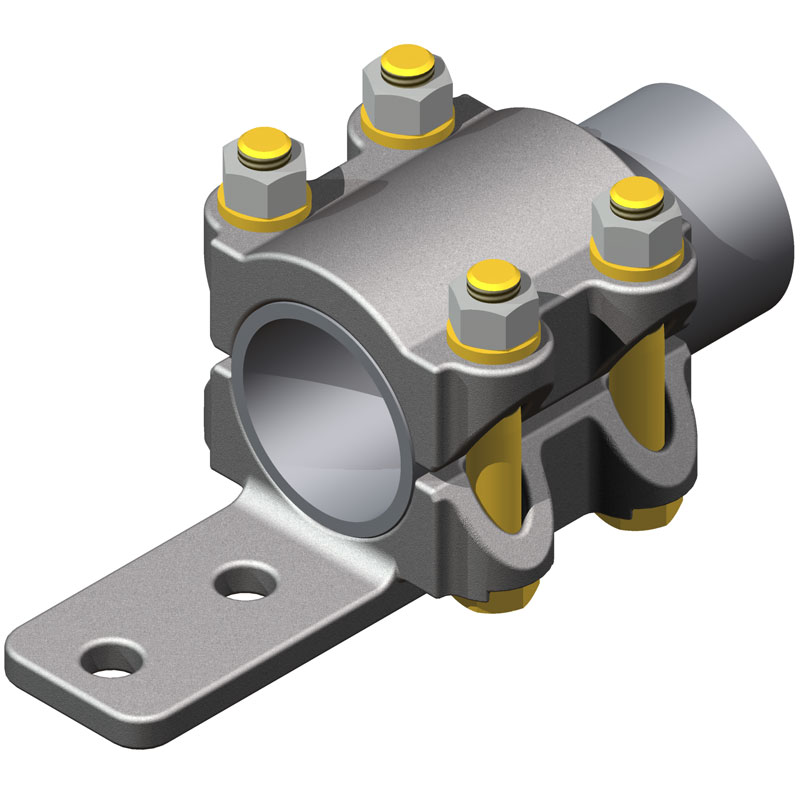
- Providing low-resistance electrical connections—bolted terminals ensure low-resistance and high-conductivity connections. This helps reduce heat buildup and maintain reliable current flow between cables, busbars, and equipment.
- Ensuring mechanical stability—due to Chile’s harsh conditions, the grid infrastructure relies on robust hardware. Bolted terminals provide strong mechanical fixation against vibration and thermal expansion. The durability maintains the operational integrity of grid-forming technology in remote solar and wind regions.
- Enhancing safety for protection and control interfaces—bolted terminals support the safety of the system by preventing loose connections and improving fault current dissipation paths.
- Reliable operation of hybrid solar and storage plants—hybrid plants consist of dense interconnections. These are connections between PV inverters, grid-forming battery inverters, and power transformers. Bolted terminals maintain stable operations and the integrity of energy transfer between DC and AC components.
Unlocking Chile’s potential with grid-forming technology
Integrating grid-forming technology into Chile’s renewable sector represents a chance to speed up the transition to a net-zero future. Grid-forming technology supports a stable, flexible, and independent power system. Grid-forming technology can reduce renewable curtailment in Chile. This is by stabilizing weak-grid nodes so solar plants remain fully online. It also allows more renewable power to flow through long-distance lines. This leads to higher renewable use and better project economies. Additionally, Chile’s mining sector is integrating this technology to support renewable integration. It does so by stabilizing solar and wind microgrids, enabling off-grid operation, reducing dependence on diesel generators, and supporting electrified mining equipment. Bolted terminals are crucial components in these connections for secure and reliable operations of the grid.