
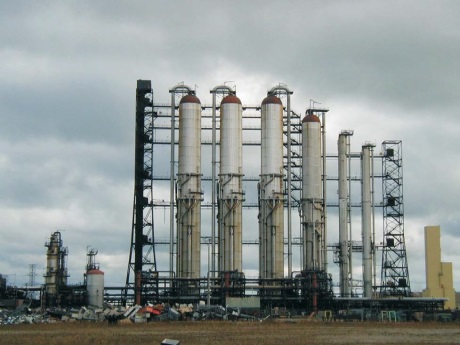
Argentina’s national atomic energy commission (CNEA) plans the modernization and upgrade of heavy water industrial plants. This represents a strategic invention in Argentina’s nuclear value chain. The process preserves critical assets, align with modern safety standards, and sustain Argentina’s long-term nuclear fission capability. Heavy water has the ability to slow down neutrons released during nuclear fission without absorbing them. This allows the reactors to use natural uranium as fuel to bypass the need for expensive uranium enrichment. CNEA works on the heavy water plant, including modernization, technological upgrades, and refurbishment. Key areas of modernization include mechanical refurbishment of process systems, corrosion control, and workforce and knowledge retention. Heavy water plant modernization relies on robust infrastructure such as compression terminals.
Compression terminals are specialized fittings attached to the end of a wire rope or cable to create a secure and load-bearing termination point. It helps support the safety, precision, and reliability of the plant’s material handling and structural systems. The compression lugs create a permanent and fork connection at the end of the wire rope slings and lifting assemblies. It works with cranes and hoists to lift heavy equipment. Compression lugs provide a reliable connection for the turnbuckles, shackles, and anchor points. They help to ensure the structural system remains taut and secure. The terminals end the wire ropes on hoist mechanisms and connect push and pull cables for trolley systems.
Technical specifications for compression terminals for use in the plant modernization
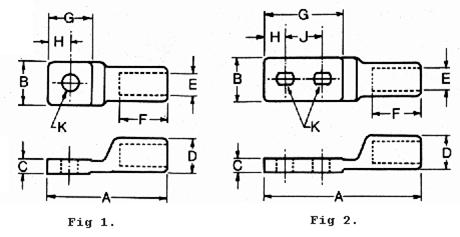
Compression terminals ensure safe, low-resistance, and mechanically stable terminations in the industrial plant. These terminations are crucial in power, control, and instrumentation systems operating under nuclear-regulated conditions. Compression terminals include copper compression lugs, bi-metallic terminals, and pin terminals. They work across power distribution panels, motor control centers, pumps, compressors, and heat exchanger drives. Their material specifications include conductor materials and surface treatments. These include electrolytic copper, aluminum, bimetallic construction, and tin plating treatments. These help prevent oxidation, improve contact stability, and enhance corrosion resistance. Compression terminals are also rated to match conductor cross-section, withstand nominal and fault currents. They also help to maintain low contact resistance. Their correct selection and installation is crucial in sustaining Argentina’s nuclear energy ecosystem. It also ensures the technical viability of heavy water production capability.
Compression terminals in heavy water industrial plant modernization and upgrades
Compression terminals form the mechanical and electrical interface between conductors and equipment. This affects power reliability, safety compliance, and long-term plant operability in nuclear-regulated environments. Compression terminals offer low-resistance connectivity, mechanical stability, corrosion mitigation, and safety assurance. Here are the functions of the compression terminals in modernization infrastructure in Argentina.
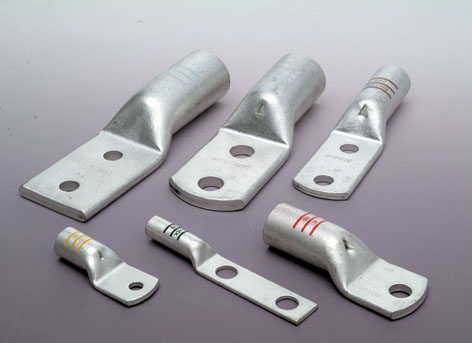
- Ensuring low-resistance electrical connections—the compression terminals create permanent and gas-tight electrical joints between cables and equipment. They offer low-resistance connections to prevent localized heating, reduce energy losses, and maintain stable operation.
- Supporting high-load equipment—compression lugs enable secure termination of large cross-section conductors. They also help provide reliable power delivery to rotating machinery and process equipment.
- Mechanical stabilization of cable terminations—compression lugs provide strong mechanical anchoring of conductors. They also offer resistance to vibration from pumps and compressors. This reduces failure risk in environments facing vibration and thermal cycling.
- Enabling safe integration of modern control systems – modernization programs introduce digital instrumentation and control. It also leads to the use of new sensors, actuators, and automated process equipment. Using compression terminals provides reduced electrical noise and signal loss.
Technologies supporting Argentina’s heavy water industrial plant modernization
There are several sets of technologies that preserve asset integrity and align heavy water production with the demands of the nuclear fission sector. These technologies transform heavy water plants from aging, maintenance-intensive facilities into digitally monitored industrial assets. These technologies include:
- Digital instrumentation and control system—these include distribution control systems, programmable logic controllers, and real-time data acquisition.
- Advanced process monitoring and analytics—the key elements include online isotopic concentration analyzers, temperature and pressure sensors, and predictive maintenance algorithms.
- Materials and surface engineering technologies—these technologies include advanced alloy steels for piping and heat exchangers. It also include improved galvanic protection systems, and high-performance coatings.
- High-efficiency heat exchange and thermal management—key upgrades in the heavy water plant include high-efficiency heat exchangers, optimized thermal integration, and improved insulation and thermal loss reduction technologies.
- Electrical system modernization—key technologies include modern switchgear and motor control centers. Other technologies include high-integrity compression terminals and cable management systems.