
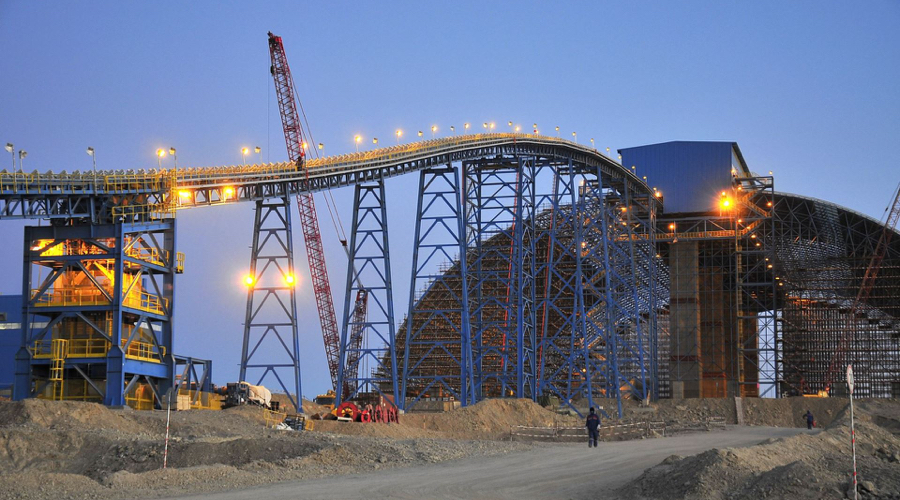
Power Minerals is relaunching exploration driven by elevated copper and gold prices that improve exploration economics and potential asset value. The company will look to put in place modern geophysical processing techniques to define the geometry of deeper targets. There is increased demand for copper and gold for electrification and infrastructure metals. The reactivation depends on establishing robust infrastructure, modern technologies, and systematic mining methods. These components are essential to economic viability, regulatory compliance, and environmental performance in Argentina’s mining context. Key infrastructure for copper and gold mining include power and energy delivery, transportation networks, ports, and water management systems. There are also processing technologies that transition Argentina’s dormant copper and gold assets into competitive producers. These technologies use preformed deadends to ensure reliability, safety, and efficiency.
Preformed deadends are terminations for stranded cable that create a strong, permanent, and vibration-resistant grip that distributes mechanical load evenly. They prevent strand fatigue and damage at the termination point. In copper and mining infrastructure, preformed deadends end and anchor power line conductors at poles, transmission towers, or substation structures. The deadends anchor the conductor at line ends, splice in dead-end conditions, and withstand extreme conditions. Preformed deadends secure busbars, ground wires, and jumper connections. They function in substations and processing plants. Additionally, they secure guying and anchoring masts, towers, and structures for copper and gold mines.
Quality assurance for preformed deadends for use in copper and gold mining infrastructure
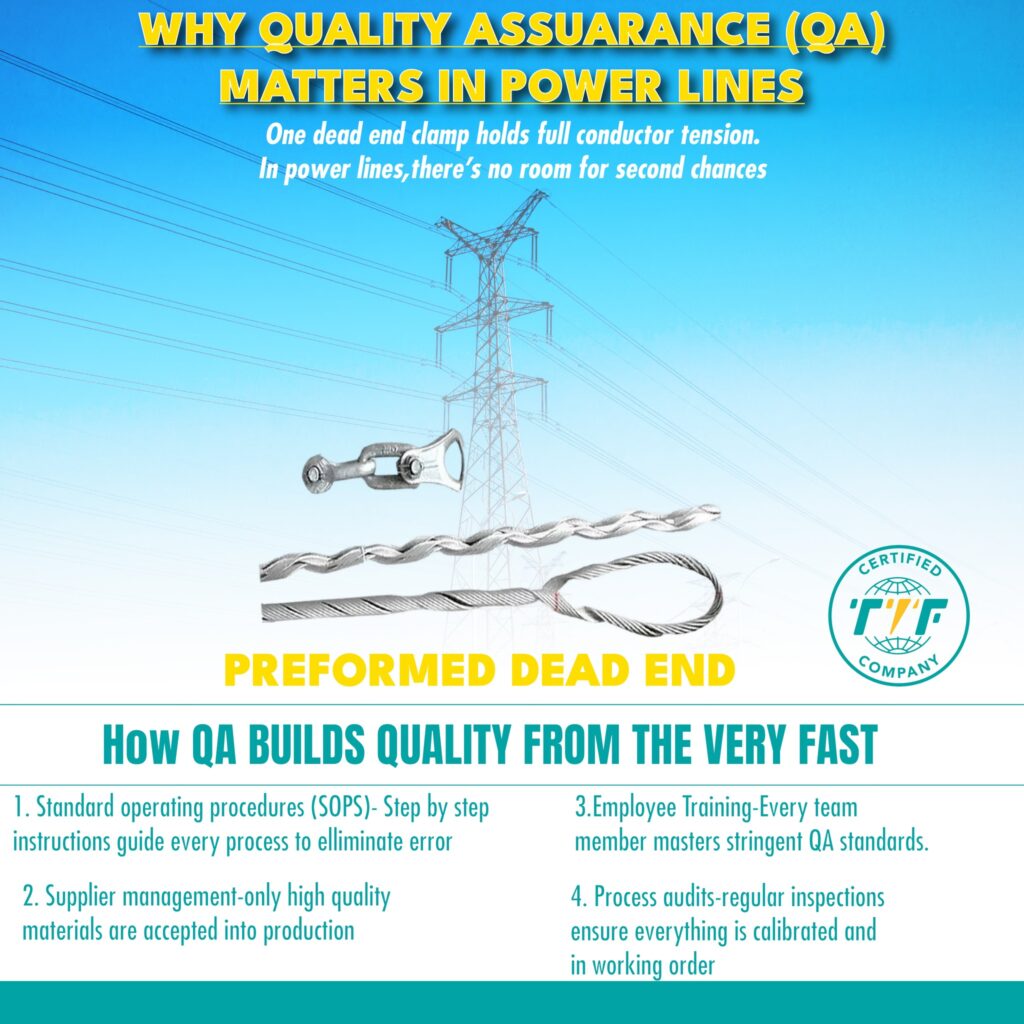
Quality assurance for preformed deadends emphasize the technical requirements, inspection regimes, compliance drivers, and the specific environmental challenges. QA addresses these challenges to ensure safety and reliability in mining power systems. The deadends anchor conductors, ground wires, and optical fiber cables to structures. Failures at deadends can cause outages, safety incidents, equipment damage. Quality assurance for preformed deadends ensures mechanical performance, electrical continuity, grounding integrity, durability, and conformance to international standards. Preformed deadends quality assurance offers mechanical integrity under mining loads, electrical continuity, installation competence, and standards and regulatory alignment. Developing a QA framework tailored to mining conditions and local compliance requirements can help mining operators to reduce infrastructure failures and enhance operational reliability.
Performed deadends in copper and gold mining infrastructure in Argentina.
Preformed deadends serve in mining infrastructure across distribution, grounding, and communication systems. They support mining, processing, and logistics operations in copper and gold mining infrastructure. Preformed deadends enable controlled load transfer, electrical continuity, and long-term reliability in demanding mining environments. Here are the key functions of preformed deadends in mining infrastructure.
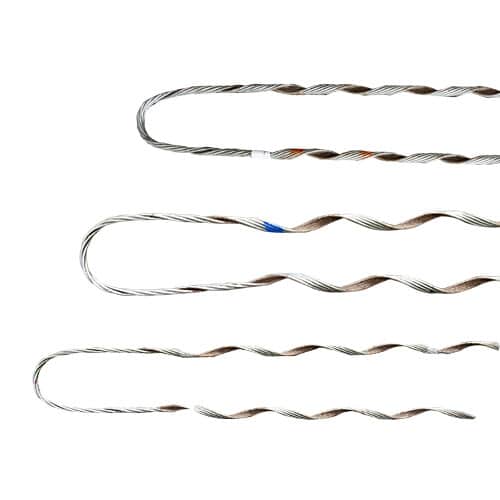
- Load anchoring and tension management—preformed deadends anchor conductors and cables under sustained mechanical tension. They distribute tensile forces along the conductor, prevent slippage at termination points, and maintain table line geometry across long spans.
- Electrical continuity and grounding integrity—preformed deadends ensure consistent electrical contact between conductor and termination. They also ensure low-resistance grounding paths for earth wires and shield conductors.
- Structural interface between cables and infrastructure—the deadends act as the mechanical interface between conductors and supporting structures. They end overhead power lines at substations and switchyards and anchor cables to structures.
- Support for modular construction and expansion—preformed deadends support rapid installation and removal during line extensions. They also help reduce installation time in remote locations.
Potential challenges to address during the reactivation of copper and gold mining in Argentina
Copper and gold mining reactivation presents a complex risk that extends beyond geology. Operators must address structural, regulatory, technical, and social challenges. Addressing these challenges help move project from dormancy to sustained production. These challenges include:
- Environmental and water constraints – copper and gold mines in arid regions face water access and management challenges. Key risks include competition with agriculture, glacier and periglacial protection regulations.
- Infrastructure gaps and capital intensity – these barriers include insufficient power supply and poor road access for heavy equipment. Rebuilding infrastructure increases upfront capital requirements.
- Technical and geological uncertainty – dormant projects suffer from outdated geological models and incomplete data. The key challenges include legacy drilling, uncertainty over depth extensions, and increased technical risks.
- Regulatory and policy uncertainty – key issues include changes in export duties and tax regimes, foreign exchange controls, and permitting delays caused by overlapping federal and provincial jurisdictions.