
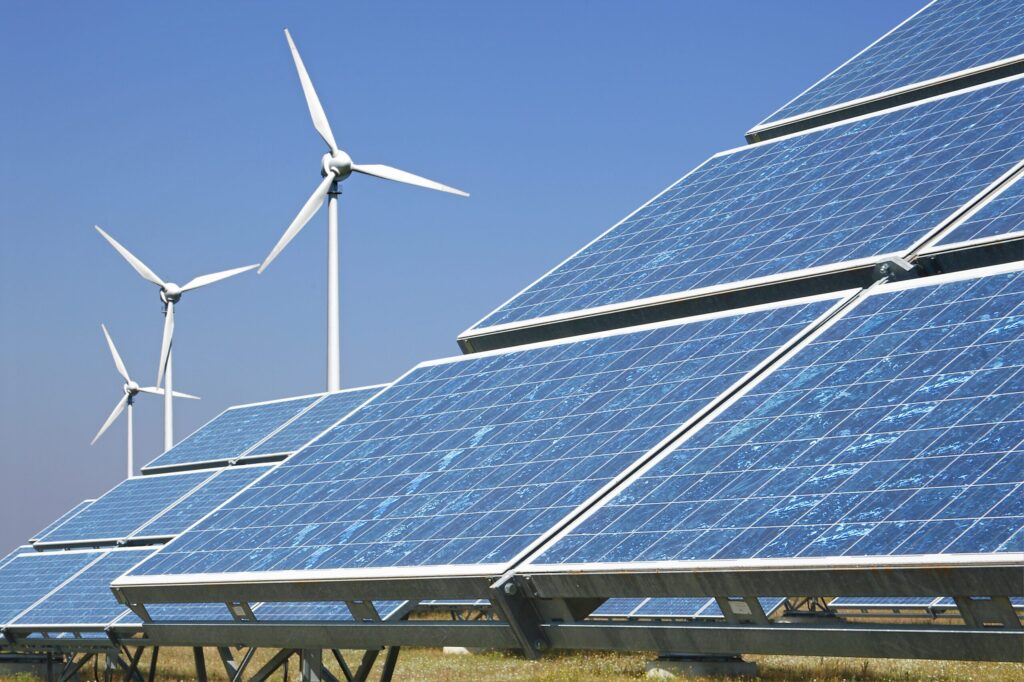
In 2025, solar PV and wind energy in Chile achieved a historic peak, marking the greatest involvement in the National Electric System of Chile. Solar and wind energy sources contributed approximately 38% of the electricity fed into the grid. When paired with other renewable sources like hydropower, renewables met nearly two-thirds of Chile’s electricity needs. The result shows the continuous growth of installed renewable capacity and notable enhancements in system management and coordination. Chile currently has around 1,700 MW of installed storage capacity, with an extra 600 MW in the testing phase. The incorporation of 4,500 MW of battery projects in development may improve system adaptability and renewable grid integration. These links aid in minimizing curtailment due to congestion between generation-dominant areas and load hubs in central Chile. These connections depend on pin insulators to ensure electrical safety
High-pin insulators in Chile’s solar and wind infrastructure enable secure connection of new power sources to the grid. The insulators ensure safe and reliable power transmission in solar panels combined with agriculture. Pin insulators provide electrical insulation and mechanical support for power lines. They prevent current flow from the live conductor to the grounded support structure. It stops leakage currents, short circuits, and electrical faults. The insulators secure connections linking large solar farms and wind farms to high-voltage transmission lines. They ensure generated power is safely evacuated to the grid.
Quality assurance for pin insulators used in wind and solar infrastructure in Chile
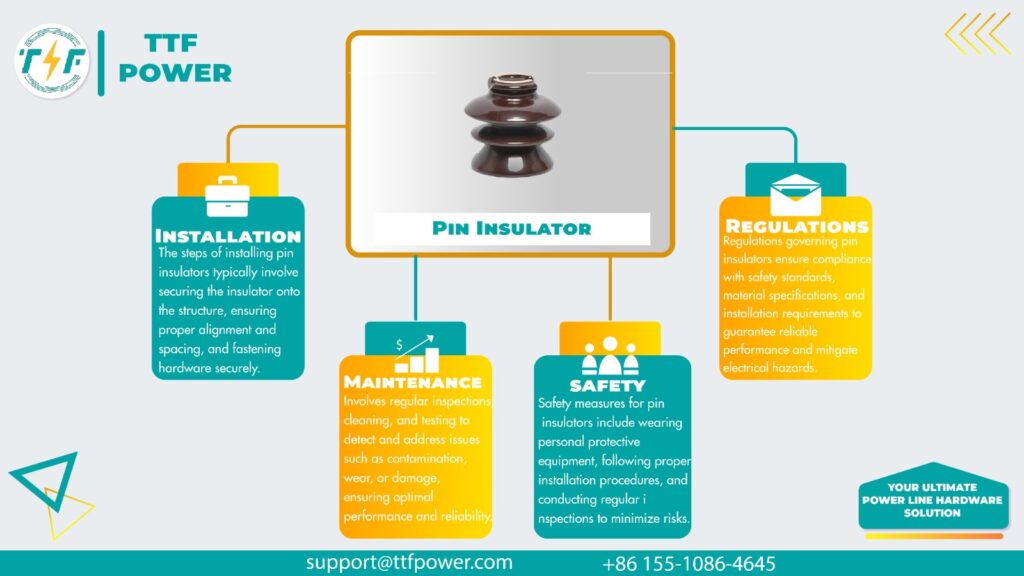
Pin insulators provide mechanical support and electrical isolation to conductors. The insulators must withstand extreme environmental and mechanical stresses. A well-structured quality assurance framework ensures performance, grid reliability, and regulatory compliance. The process includes raw material control, which includes controlled alumina content, uniform vitrification, and proper glazing thickness. It also includes batch traceability from raw material to finished product. Wind farms in coastal and southern Chile experience dynamic wind loading, while solar plants in Chile face thermal expansion stresses. Pin insulators undergo cantilever strength tests, tensile load verification, mechanical failing load validation, and torque strength of pin interface. The insulators must maintain mechanical integrity under conductor tension, vibration, and seismic activity. The QA process also includes electrical tests such as power frequency withstand voltage, lightning impulse withstand voltage, and partial discharge testing.
The roles of pin insulators in solar and wind infrastructure in Chile
Pin insulators connect renewable generation assets to substations and regional grids. They offer electrical and mechanical functions that affect system reliability, safety, and asset longevity. Pin insulators are hence crucial for Chile’s expanding renewable energy sector. Here are the functions of the pin insulators in solar and wind projects.
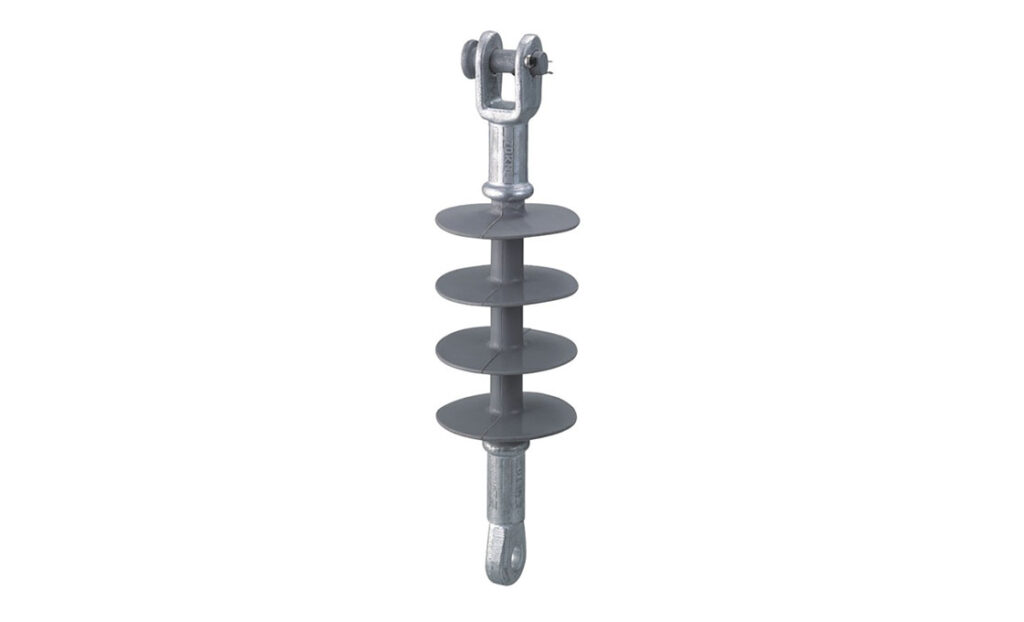
- Electrical isolation of energized conductors—the pin insulator isolates the live conductor from grounded support structures. Pin insulators prevent current leakage to support structures and reduce flashover risk under diverse conditions.
- Mechanical support of overhead conductors—pin insulators provide mechanical support for conductors. The insulators support conductor weight, withstand wind loads, manage thermal expansion forces, and maintain conductor spacing and alignment.
- Thermal performance under high irradiance—pin insulators in Chile must resist thermal expansion stress, maintain mechanical strength, and avoid micro-cracking in polymer and porcelain housing.
- Integration in renewable collector systems—in solar and wind projects, the insulators serve in medium-voltage collector lines and overhead distribution feeders. They ease reliable power transfer from generation arrays or wind turbines to central substations.
- Arc and lightning performance—the insulators contribute to system protection by providing impulse withstand voltage and supporting coordination with surge arresters.
The functions of BESS in Chilean solar and wind initiatives
Battery energy storage systems play a central role in stabilizing the grid within Chile’s solar and wind industry. BESS aids in balancing fluctuations, regulating congestion, and enhancing project finances. BESS facilitates energy shifting, stabilization, and monetization. The key functions of BESS in solar and wind projects in Chile are as follows.
- Energy shifting and peak arbitrage—solar generation generates excess during midday, resulting in lower spot prices, curtailment, and congestion in transmission. BESS captures surplus production when prices are low and releases energy during peak evening hours, times of high prices, and periods of system strain.
- Curtailment alleviation—BESS aids in storing curtailed energy, minimizes renewable output waste, and improves the efficient capacity factor of the plant. This boosts revenue-generating energy without expanding production capacity.
- Voltage regulation and reactive power management—the BESS features grid-forming inverters that can inject reactive power, stabilize voltage, and provide dynamic support to the grid during disturbances.
- Stabilizing renewable generation – BESS minimizes fluctuations by lowering ramp rates, providing controllable power blocks, and aiding adherence to grid dispatch directives.