
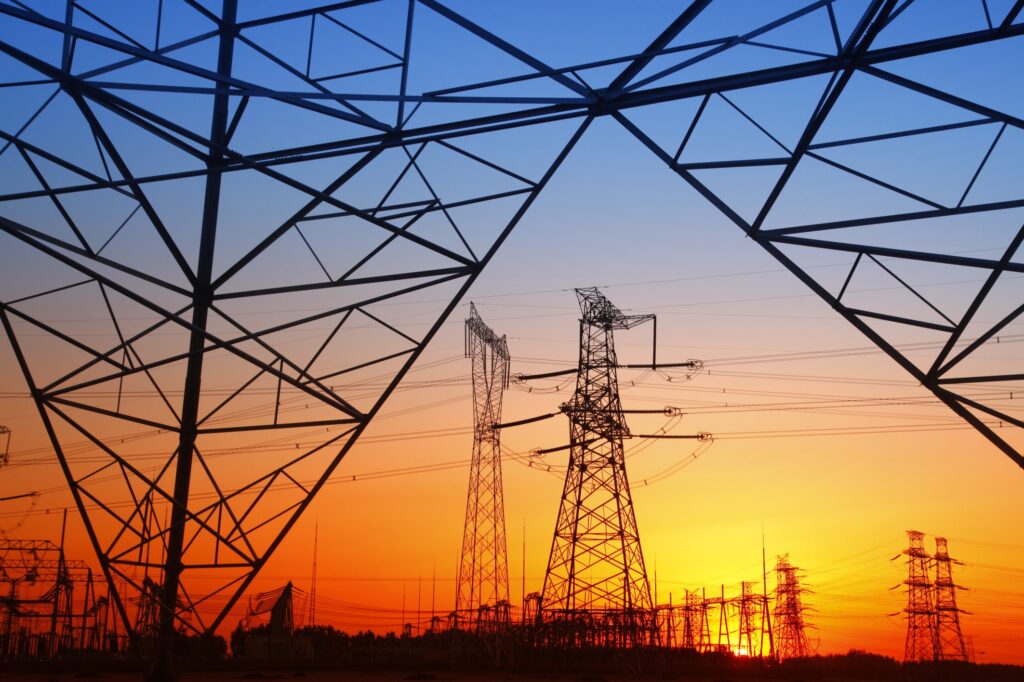
Chile’s power sector has transitioned toward variable renewable dominance with increased solar and wind resources in the region. However, structural transmission constraints limit energy generation and distribution. The country is hence aiming to upgrade and expand the grid to a central determinant of system efficiency, curtailment reduction, and flexibility integration. Grid transmission helps evacuate surplus solar generation, reduce renewable curtailment, strengthen weak grid nodes, and support large-scale battery integration. Most bottlenecks occur at injection substations in solar-heavy zones, transformation nodes connecting 220 kV and 500 kV systems, and reactive power support points. To address this, Chile should install extra transformers, reactive compensation systems, and increased short-circuit strength in inverter-dominated nodes. It also includes the deployment of high-voltage reinforcement, substation upgrades, storage integration, and regulatory modernization. These connections rely on high-quality hardware like drop out cutout fuses.
Drop out cutout fuses protect the distribution networks that connect to Chile’s expanding transmission grid. The cutout fuse ensures the reliability of the system as it integrates more renewable energy. A drop out cutout fuse protects distribution transformers, power lines, and other equipment from damage. The cutout disconnects a circuit when excessive current flows. This prevents damage to infrastructure and reduce the risk of widespread outages. This prevents the fault from spreading to other parts of the network. The fuse enhances safety for the public and maintenance personnel. They are also crucial to reduce the risk of equipment fires, equipment explosions, and other electrical hazards during extreme events.
Quality assurance for drop out cutout fuses used in transmission grid expansion
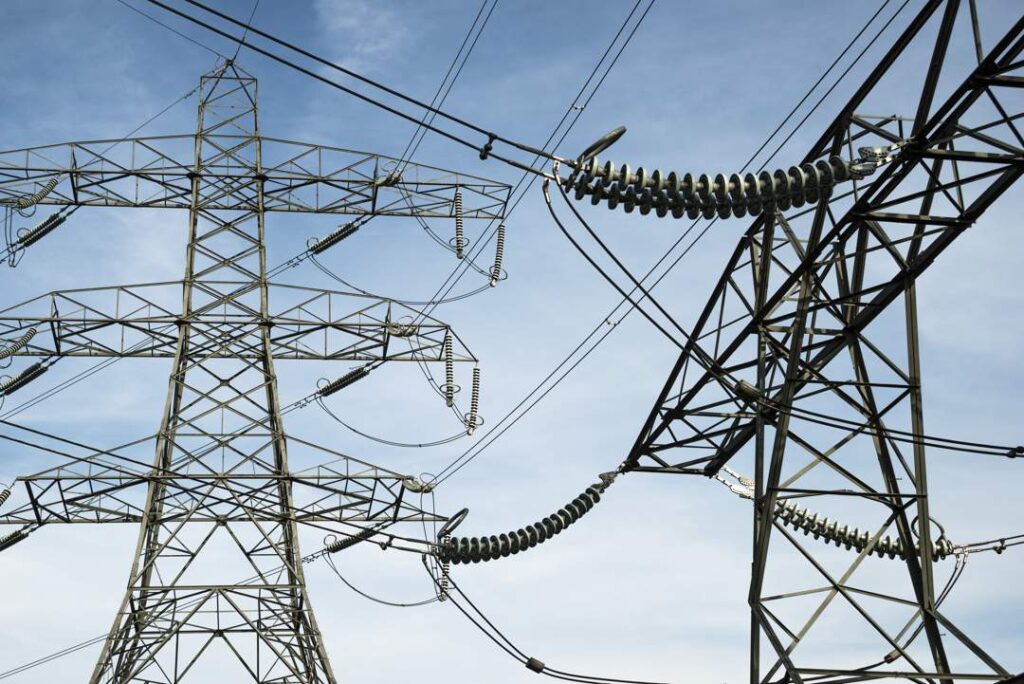
With Chile’s 110 kV and 220 kV subtransmission lines, ensuring quality assurance for cutout fuses protects them from high fault currents and increased switching frequency. Cutout fuse performance affects feeder protection, transformer safeguarding, and sectionalizing reliability. Failures in quality for the cutout result in transformer damage, extended outage duration, feeder trips, and fire hazards. Quality assurance for the dropout cutout fuse validates both electrical interruption performance and mechanical integrity. QA process includes power frequency withstand tests, lightning impulse withstand tests, pollution performance testing, and mechanical performance and drop mechanisms verification. Quality assurance ensures that each fuse performs under electrical, mechanical, thermal, and environmental stress. This helps to support the reliability objectives of Chile’s transmission modernization.
The roles of drop out cutout fuses in Chile’s transmission grid expansion
Drop out cutout fuses perform protection and isolation within Chile’s transmission and sub-transmission grid expansion. Drop out cutout fuse supports feeder reliability, equipment protection, and operational safety. This makes them crucial in 110 kV and 220 kV subtransmission networks that interface with distributed generation and step-down transformers. Here are the functions of the dropout cutout fuse in transmission grid expansion.
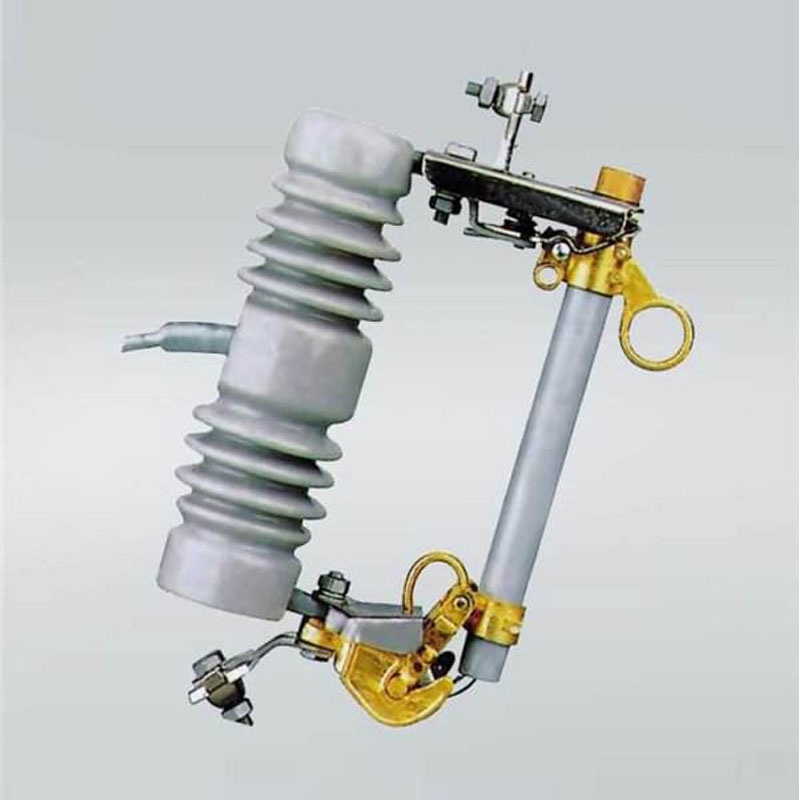
- Overcurrent protection for transformers and feeders—the cutout fuse interrupts fault current from transformer internal faults, secondary-side short circuits, line-to-ground faults, and equipment insulation breakdown.
- Visible isolation for maintenance and safety—the fuses support safe maintenance procedures, rapid fault identification, reduced switching ambiguity, and compliance with safety protocols.
- Sectionalizing and fault localization—drop out cutout fuses help sectionalize the network by isolating only the affected segment during a fault. The fuses limit outage scope, improve service continuity, prevent upstream breaker trips, and enhance feeder selectivity.
- Equipment protection in renewable interconnection points—drop out cutout fuses protect step-up and step-down transformers, capacitor banks, and auxiliary equipment. They ensure protection coordination between reclosers, circuit breakers, and inverter protection schemes.
Technologies supporting Chile’s transmission grid expansion
Chile’s transmission grid expansion is changing from conventional line reinforcement to a multi-layered modernization strategy. Grid advancement involves advancing power electronics, digital control systems, storage integration, and system-strength solutions. Here are the technologies supporting grid expansion and congestion relief.
- Ultra-high-voltage and 500 kV reinforcement—these technologies include high-temperature low-sag conductors, advanced aluminum conductor composite cores, and optimized bundle configurations for higher ampacity.
- Flexible AC transmission systems—these include static synchronous compensators, static VAR compensators, and series compensation.
- High-voltage direct current systems—HVAC reduce transmission losses over long distances, improve controllability of power flow, decouple grid stability between regions, and enhance congestion management.
- Battery energy storage systems—storage facilities at substations allow grid operators to absorb excess renewable generation and dispatch later. BESS offers peak shifting, frequency regulation, fast ramping support, and congestion mitigation.