
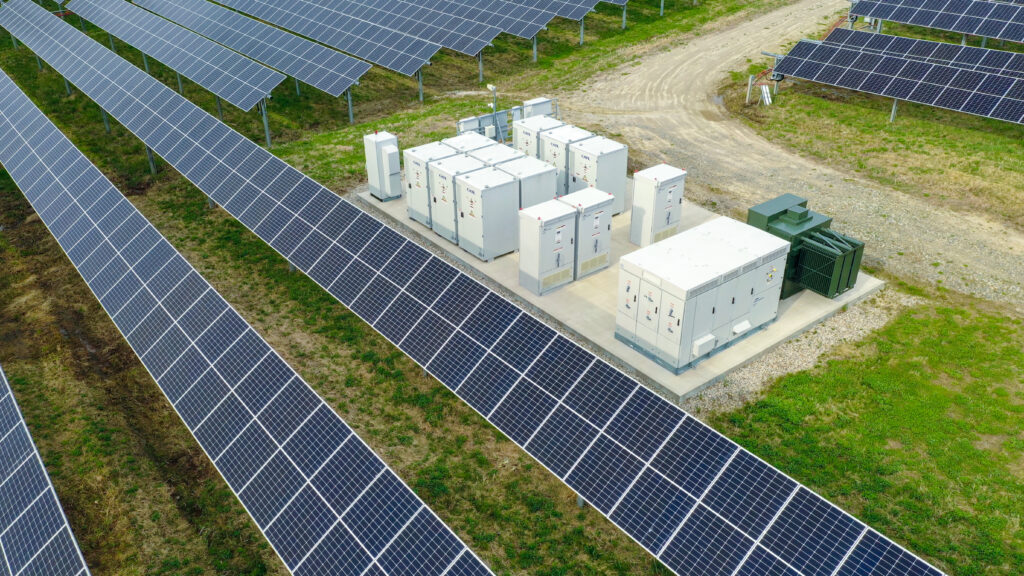
Argentina’s shift to renewable energy involves wind in Patagonia and solar in the northwest. The industry is progressively influenced by transmission networks, battery storage solutions, and risk management strategies. Argentina’s AlmaSADI tender for BESS systems is now unveiling a new trend in the sector as private interest in battery initiatives increases. Due to the interest generated by AlmaSADI, industry experts expect that bids may increase from the original 700 MW tendered. The funding might aid significant wind and solar initiatives that face curtailment because of overloaded transmission lines connecting production regions and demand hubs. The 500MW national battery storage bidding indicates that institutions acknowledge storage as essential infrastructure. BESS will aid in stabilizing solar and wind fluctuations, handling peak demand in cities, and minimizing curtailment losses. Anchor rods utilized in the infrastructure guarantee that heavy machinery stays secure, stable, and functioning
Anchor rods secure the frames of battery cabinets to the concrete foundations using anchor bolts. They prevent heavy equipment from shifting, tilting, or falling over. They ensure long-term stability of the integration infrastructure. Anchor rods transfer the structural load deep into the soil using earth anchors or helical anchors to resist upward forces. They keep BESS containers grounded and secure against winds, seismic activity, or frost. High-quality rods secure BESS platforms above flood levels by anchoring them to elevated foundations. They keep infrastructure stable and in place during extreme weather events or flooding.
Quality assurance for anchor rods used in renewable and BESS projects
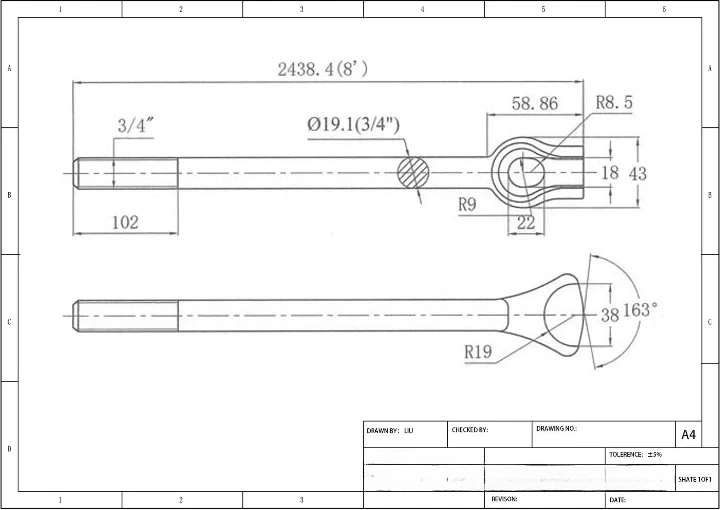
Anchor rods are fastening components used in renewable energy and BESS projects. They secure structures such as solar mounting systems, wind turbine foundations, transformers, inverter skids, battery containers, substations, and equipment platforms to concrete foundations. Conducting quality assurance ensures structural stability, operational safety, and long-term reliability. Effective QA prevents structural instability, equipment misalignment, foundation cracking, wind-induced failures, and vibration damage. The process includes raw material inspection, dimensional quality control, mechanical strength testing, thread quality inspection, and fabrication quality assurance. These tests ensure the anchor rods can withstand the demanding environmental and structural conditions of energy infrastructure. QA improves installation accuracy and supports the stability of renewable and energy storage systems.
The functions of anchor rods in renewable and BESS infrastructure in Argentina
Anchor rods provide the mechanical connection between steel structures, electrical equipment, and reinforced concrete foundations. They ensure stability, load transfer, and operational safety. Anchor rods support infrastructure exposed to high wind loads, seismic activity, thermal variation, and demanding environmental conditions. Here are their main functions in renewables and BESS infrastructure.
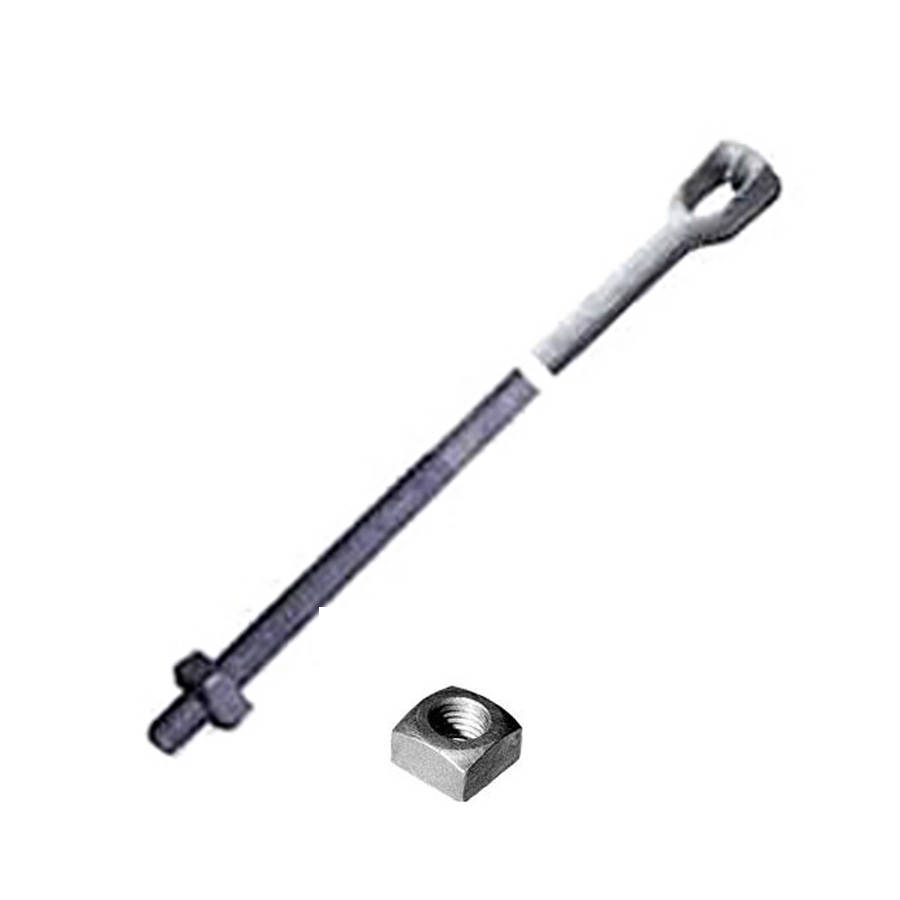
- Securing wind turbine foundations—anchor rods secure wind turbines to concrete foundations. They transfer loads from the wind turbine tower into the concrete base. They resist overturning forces, stabilize tower structures, and distribute dynamic wind loads.
- Supporting solar mounting structures—anchor rods secure solar structures, tracker systems, inverter skids, and electrical shelters. They maintain structural positioning, prevent uplift, and support panel alignment accuracy.
- Stabilizing battery energy storage systems—grid-scale BESS installations in use anchor rods to secure heavy battery containers. They fasten battery containers, reduce movement, and control vibration from cooling systems.
- Anchoring substation equipment—anchor rods secure transformers, circuit breakers, switchgear, and steel support frames. They prevent structural displacement and maintain equipment positioning.
- Managing dynamic and cyclic loads—anchor rods distribute and absorb dynamic forces to protect concrete foundations, structural frames, and equipment interfaces.
- Supporting transmission and grid infrastructure—the rods function in transmission towers, pole foundations, substation steelwork, and cable support systems.
Technical requirements for initiatives aiding Argentina’s energy integration
The specifications are determined by a mix of national grid regulations, international standards, and specific engineering needs for the project. The details encompass:
- Transmission system specifications – transmission systems are engineered for 132kV and 220kV transmission lines. The requirements for substations consist of transformer dimensions, switchgear designed for fault current capacities, and protective systems.
- Specifications for renewable energy generation—such as solar systems, modules, inverters, and electrical parts—should meet IEC standards. In wind energy systems, turbines are required to have mechanical and electrical braking mechanisms along with the ability to perform emergency shutoffs.
- Grounding and protection requirements—protection systems should incorporate overcurrent and short circuit safeguards, residual current protection, and surge protective devices. These specifications affect elements like downlead clamps, grounding wires, and earthing grids.
- BESS technical details – a BESS consists of battery modules, power conversion systems, a medium-voltage transformer, along with control and protection systems