
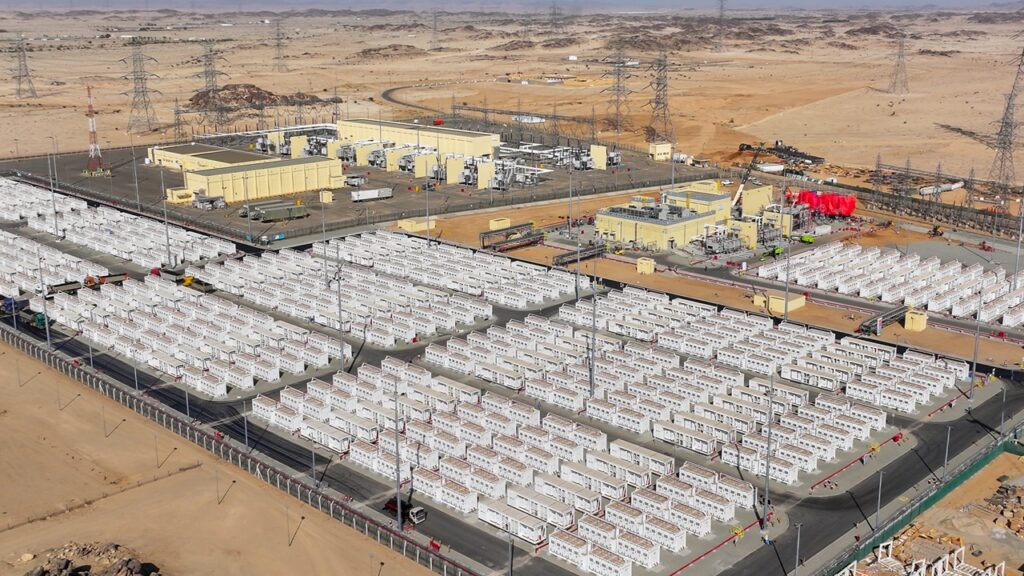
The province of Buenos Aires in Argentina intends to invest 31 billion in giant batteries to prevent blackouts. The initiative will involve a battery energy storage system of 25 MW/125 MWh. The province is installing energy storage in specific areas where the grid faces pressure during peak demand times. During these peak times, substations and transmission lines experience overloads. BESS will deliver electricity precisely when and where it is required to prevent lengthy grid expansion processes. BESS also improves the incorporation of renewable energy sources. This involves capturing surplus solar production, allocating renewable energy to evening consumption times, balancing variations in renewable supply, and minimizing the curtailment of renewable energy. These projects depend on solid hardware like steel insulator pins to secure the terminals of energy storage devices like batteries and capacitors.
Insulator pins are critical in the high-voltage switchyards and transmission infrastructure that connects the BESS to the grid. The insulator pin separates and isolates live and high-voltage conductors from the grounded support structures. This helps prevent short circuits, ground faults, and uncontrolled energy discharge that could damage equipment. The pin bears the mechanical loads of the conductors. This ensures cables and jumpers maintain the proper sag and clearance. These pins support other hardware like surge arresters and provide a stable connection point for protection and controlled wiring. Their robust design and corrosion-resistant galvanized steel construction ensure long-term integrity and help prevent power interruptions. Steel insulator pins ensure the safety, reliability, and performance of the electrical infrastructure. It connects large-scale battery projects to Argentina’s power grid.
Quality assurance for the steel insulator pin in BESS projects
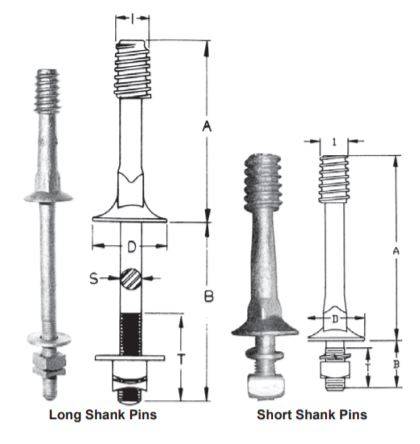
Steel insulator pins provide secure mechanical support for insulators carrying and isolating energized conductors within substations and distribution networks connected to BESS facilities. The insulator pins must meet quality standards to ensure mechanical strength, electrical reliability, and resistance to harsh environmental conditions. Quality assurance helps identify defects that cause failure of the insulator pins. These failures can compromise insulation integrity and lead to equipment damage. QA ensures consistent mechanical performance, improves electrical insulation reliability, and ensures compliance with standards. The QA process covers material inspection, dimensional accuracy, mechanical strength testing, thread quality inspection, and process control during manufacturing. High-quality steel insulator pins contribute to the safety, reliability, and longevity of BESS infrastructure. They help maintain stable power transmission, reduce maintenance costs, and support the efficient integration of renewable energy into modern electrical grids.
Functions of the steel insulator pin in BESS projects in Argentina
Argentina is expanding its battery energy storage system capacity to strengthen grid reliability, integrate renewable energy, and address transmission constraints. Steel insulator pins provide the mechanical support needed to mount insulators while maintaining proper electrical isolation between energized conductors and grounded structures. Here are their key roles in BESS projects.
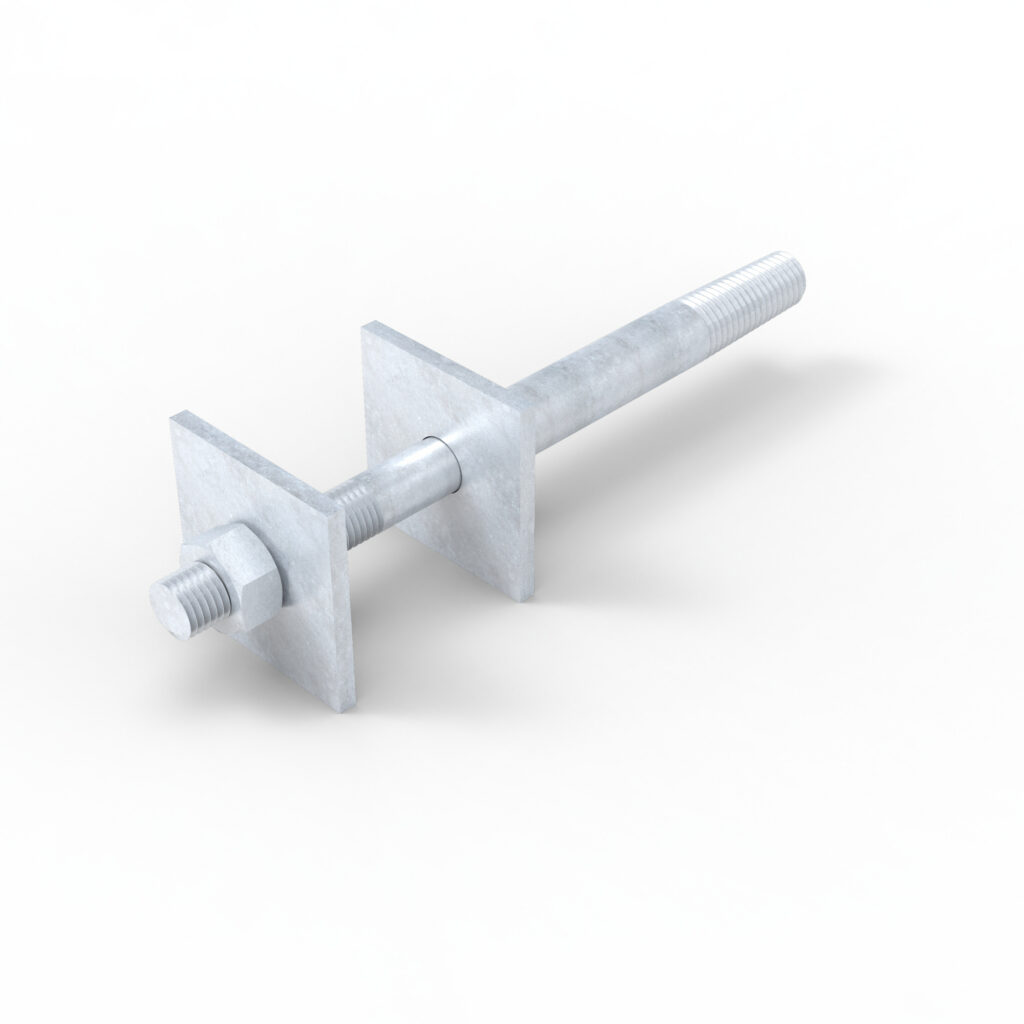
- Supporting electrical insulators – the steel insulator pin supports pin-type insulators mounted on utility poles. This enables the insulators to hold energized conductors and maintain conductor alignment.
- Providing mechanical strength—the insulator pin carries mechanical loads imposed by overhead conductors and cable tension. They have high mechanical strength that ensures they remain attached under demanding operating conditions.
- Maintaining electrical isolation—the pin supports the insulator separating live conductors from grounded structures. Reliable insulation prevents electrical leakage, reduces flashover risks, and maintains dielectric integrity.
- Supporting grid connection infrastructure—steel insulator pins support infrastructure. It supports distribution poles, switching stations, feeder lines, and collector networks.
BESS minimizing power outages in Argentina
Argentina is putting money into battery energy storage systems to enhance the dependability of its electricity grid as renewable energy capacity grows. BESS initiatives offer a quick and adaptable answer by retaining electricity when availability surpasses needs. This is how BESS aids in minimizing blackouts in Argentina.
- Managing peak electricity demand—BESS alleviates demand pressures by releasing stored energy during periods of high demand and decreasing loads on substations and transformers.
- Alleviating transmission congestion—BESS achieves this by storing surplus electricity close to renewable energy sources and enhancing grid adaptability.
- Stabilizing grid frequency – the initiatives tackle outages by supplying power during frequency declines, enabling rapid frequency control, and enhancing grid stability.
- Dependable renewable energy integration—BESS enhances integration by retaining surplus solar production, harnessing extra wind energy, and providing stored power.