
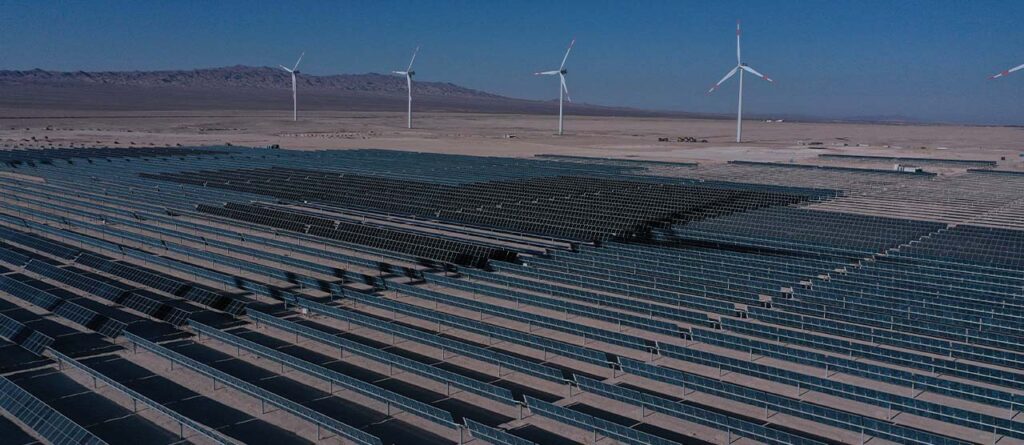
Chile’s renewable energy development arises from a combination of natural advantages, forward-thinking policies, investment-friendly frameworks, technological innovation, and strong institutional support. These factors position Chile as a regional leader in green energy and set an example of effective energy transition. The Atacama Desert delivers high levels of solar irradiance, ideal for utility-scale photovoltaic and concentrated solar power projects. The southern regions with strong winds are ideal for onshore and offshore wind projects. Mountainous rivers and long coastlines enable reliable hydropower and emerging tidal energy generation. The development of these projects relies on power line hardware like an automatic splice for safe and secure connections.
The splice is an essential technology for the deployment and maintenance of fiber optic cables. These cables are critical for Chile’s green energy infrastructure. Automatic splices are crucial for the data, communication, and control without which the entire system could not function. The splice ensures that the integrity and speed of the data transmission lines integrates into the power transmission lines. The data networks enable smart grid functionality, remote control, and monitoring.
Green energy transmission infrastructure relies on fiber optics connecting substations, SCADA systems, renewable plant control, and phasor measurement units. Automatic splices are vital for stabilizing a grid with high levels of variable renewables and need high-bandwidth data links. These systems provide real-time data on voltage, current, power flow, and equipment status from remote renewable plants and substations. An automatic splice creates and maintains the high-integrity neutral pathways that allow a decentralized, complex, and dispersed renewable energy system.
Advanced energy infrastructure leading to Chile’s green energy achievements
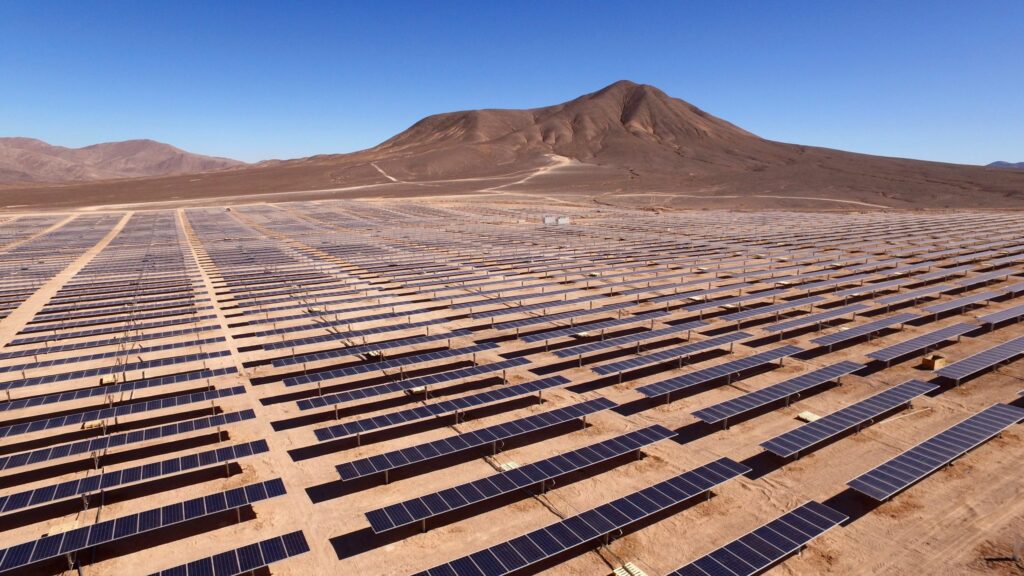
Chile is on the rise as a renewable energy leader in South America, anchored by its advanced energy infrastructure. This forms the backbone of its transition toward a sustainable and low-carbon economy. The country has also invested in modern transmission networks, smart grid systems, storage technologies, and interconnection projects. These enable large-scale integration of solar, wind, and other renewable sources into its power system. The infrastructure also enhances reliability and efficiency and supports Chile’s long-term goal of achieving carbon neutrality by 2050. This energy infrastructure includes a unified grid, expansion of high-voltage transmission lines, smart grid integration, BESS, transmission resilience and grid flexibility, advanced substations, and support infrastructure for green hydrogen. This infrastructure depends on robust hardware such as an automatic splice for secure connections.
Functions of the automatic splice in Chile’s green energy infrastructure
The automatic splice is a key connector in transmission and distribution networks carrying renewable electricity from generation sites. It helps maintain efficient, safe, and reliable power transmission of solar, wind, and hydropower. Here are their key functions in the infrastructure.
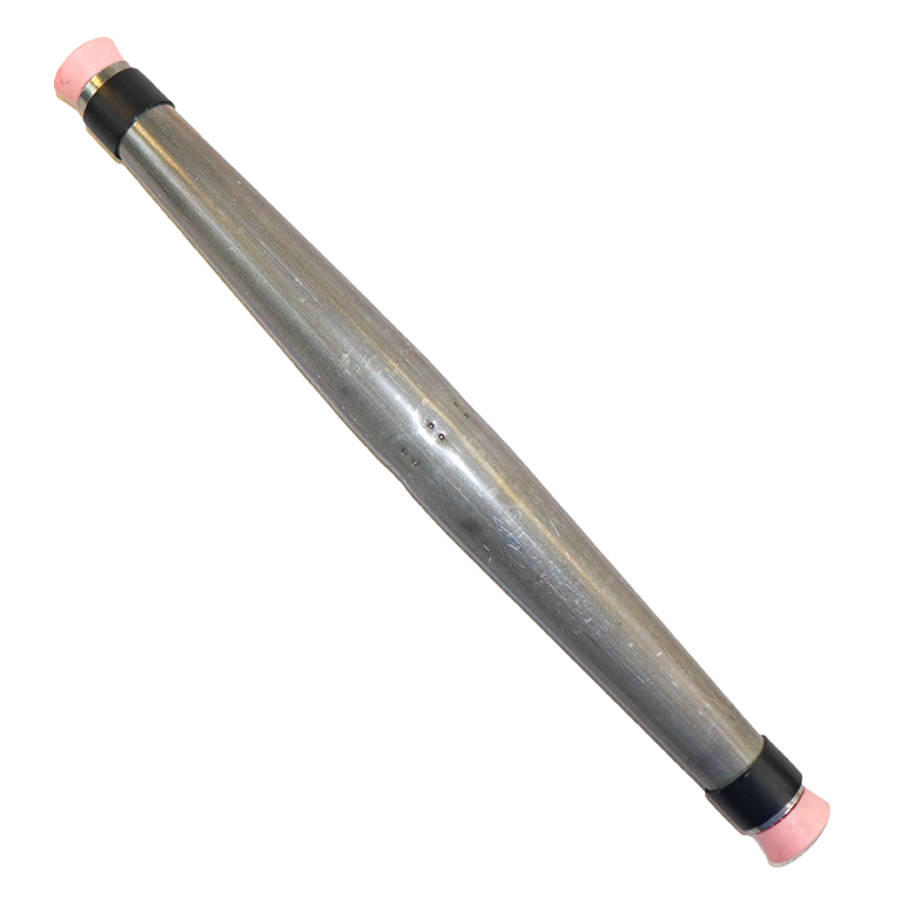
- Reliable electrical continuity in transmission lines—the automatic splice joins two conductors while maintaining strong electrical conductivity and mechanical integrity. The splice ensures that the current flows through the network without interruptions.
- Secure conductor jointing—automatic splices simplify installation and reduce downtime in power line construction and maintenance. The splices use wedge mechanisms that automatically grip the conductors when inserted.
- Maintaining mechanical strength and line stability—the splices provide the mechanical resilience needed to ensure line stability under tension.
- Supporting grid expansion and maintenance—an automatic splice is a crucial component in grid modernization and extension projects. They help in upgrading existing lines, connecting new renewable plants, and repairing damaged conductors.
- Compatibility with modern conductors—the splices are compatible with most of the conductors used. They offer low-resistance contact and high corrosion resistance. This is due to materials like aluminum, copper, or stainless steel.
Impacts of Chile’s green energy achievements on the energy sector
Chile’s green energy achievements influence the energy sector by reshaping the generation mix, investment landscape, and sustainability outlook. Increased renewable capacity has reduced reliance on imported fossil fuels. This development is also driven by policies, infrastructure upgrades, and technological innovations. The key impacts on the energy sector include diversification of the energy mix, lower electricity costs, strengthened energy infrastructure, grid reliability, technological innovation, and digital transformation. By adopting these measures, Chile has transformed its power sector into one of the most advanced and resilient in South America. This transformation will remain a blueprint for nations seeking to balance economic growth, sustainability, and climate responsibility.