
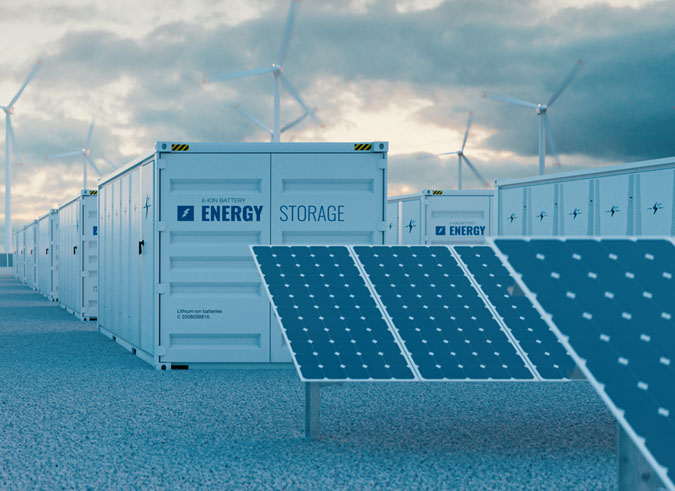
AES Andes, US energy company, cancelled its US$10bn INNA green hydrogen and green ammonia production project in northern Chile. This aligns with the guidelines of its parent company in the United States and chooses to focus on the development and construction of its renewable energy and energy storage portfolio. The company has added a total of 2,181 MW of renewable generation and battery storage capacity in Chile. It also aims to commission the Andes Solar and Bolero BESS plants in 2026. It also plans to continue construction on four new renewable projects including Arenales, Cristales, Pampas, and Atacama BESS. These projects will add a cumulated 2,363 MW by 2027. Deployment of BESS absorbs more variable solar and wind capacity and manages curtailment risks in Chile. These connections use robust hardware such as bolted cable spacers.
Bolted cable spacers in renewable energy systems helps address geographical and climatic challenges. They cable spacer maintains prescribed spacing between subconductors in bundled transmission lines. They prevent clashing, reduce wear, and ensures system reliability. The cable spacer is a clamp-like device that holds individual subconductors at a fixed distance from each other within the bundle. The transmission lines within and leaving large wind farms use bundled conductors for efficiency. Bolted cable spacers prevent subconductors from clashing during the intense and turbulent winds. they prevent clashing that cause a short circuit, line damage, and costly shutdowns.
Quality assurance for bolted cable spacers used in renewable energy systems

Quality assurance in renewable energy systems focuses on ensuring that mechanical supports for conductors and cables meet durability and performance needs. It is a crucial process throughout manufacture, installation, and operation. QA intergrates international electrical and quality management standards, supplier controls, and field verification to address risks. Bolted cable spacers are from high-strength aluminum or composites designed for electrical insulation, mechanical load resistance, and corrosion protection. They undergo tension, vibration, and load tests. These help confirm they maintain spacing, resist loosening under operational loads, and endure environmental stresses. Renewable energy operators include bolted cable spacers in routine maintenance checks to identify loosening, corrosion, or material degradation. Enhancing QA for cable spacers contributes to safety and uptime of renewable generation and distribution infrastructure.
Bolted cable spacers in Chile’s renewable energy and BESS project development
Bolted cable spacers offer mechanical and operational functions in overhead and substation conductor systems. They are critical components in projects that need higher reliability to support variable renewable generation and grid-connected storage. Bolted cable spacers enable stable power delivery from renewable sources to BESS facilities and onward to the grid. Here are the functions of the bolted cable spacers in renewable infrastructure.
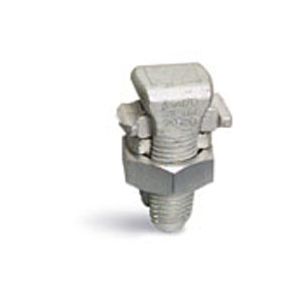
- Conductor spacing and phase separation – bolted cable spacers maintain fixed spacing between bundles conductors. They prevent phase contact, reduce electrical faults, and ensures compliance with clearance requirements.
- Vibration and galloping control – cable spacers dampen movements by stabilizing conductor geometry, reduce mechanical fatigue, and extend the service life of lines supplying power to solar, wind, and storage facilities.
- Mechanical stability for high-load circuits – the cable spacers distribute mechanical loads across conductors. They limit concentrations at supports and reduce the risk of strand damage.
- Thermal performance and sag control – bolted cable spacers help manage thermal expansion and sag. They maintain consistent conductor separation during peak generation or battery charging and discharging cycles.
- Reliability of grid connections for BESS – cable spacers contribute to system reliability by reducing the likelihood of conductor contact, flashovers, and mechanical failures.
Impacts of renewable energy and BESS development in Chile’s energy sector
The expansion of renewable energy and battery energy storage systems is reshaping Chile’s energy sector. This development by AES Andes will improve grid stability, reduce curtailment, strengthen energy security, and enable regulatory and market innovation. Key impacts include:
- Decarbonization of the power mix – the integration of BESS strengthens transition by addressing intermittency and allowing storage of excess solar and wind generation.
- Improved grid stability and flexibility – BESS provides frequency regulation and voltage support and reduce curtailment of solar and wind output. The development improves the operational resilience of Chile’s transmission network.
- Enhanced energy security – energy storage stabilizes electricity prices by smoothing supply volatility and reducing exposure to fuel price shocks.
- Economic and industrial development – renewable and storage projects contribute to local economic growth through development of local supply chains and technical expertise.