
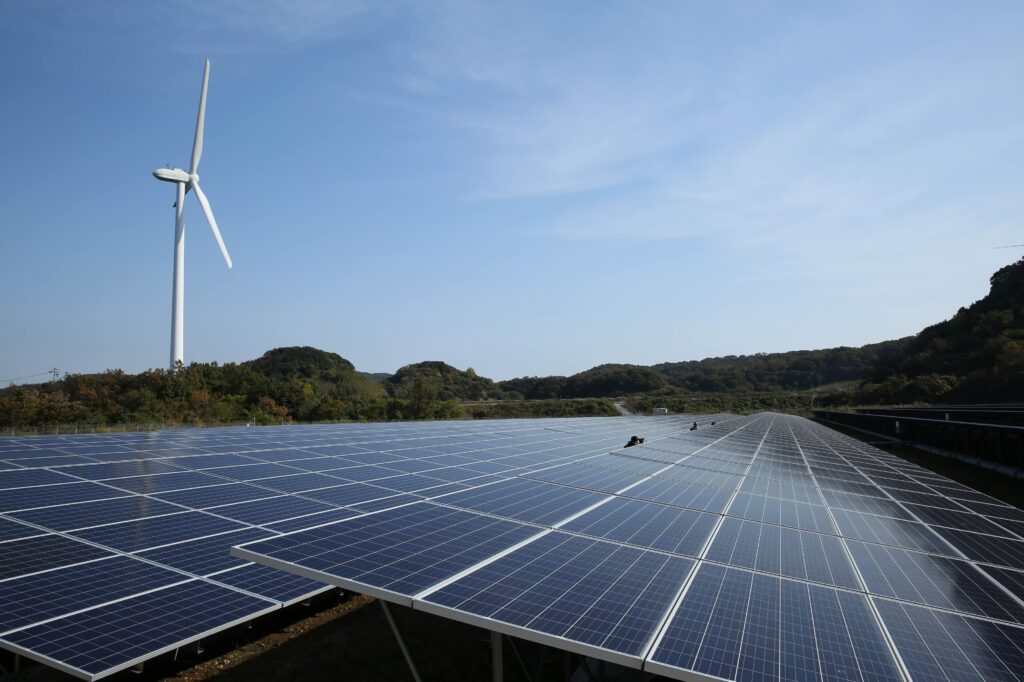
Argentina’s power producer, Genneia, is speeding up commissioning and expansion of large solar and wind parks. For instance, the 180 MW Anchoris solar park, the 90 MW Malargüe, and other projects are pushing the company toward its 1.7 GW renewables target by 2026. These projects are adding utility-scale generation to supply industrial buyers through the renewable power market. Genneia is using higher-yield technologies such as bifacial PV modules, tracking systems, and modern wind turbines to increase energy production. It is also combining traditional development finance and corporate loans with innovative instruments to fund CAPEX and O&M. The company is also targeting corporate and industrial offtakers through Argentina’s MATER market and long-term PPAs. Compression splices ensure the reliability, efficiency, and safety of the electrical collection and transmission systems connecting their wind and solar farms to the grid.
Compression splices reduce electrical resistance, which prevents energy loss and voltage drop over long distances. It is also capable of withstanding the full mechanical tension of the overhead line. The compression splice is superior to older methods like bolted connectors or soldering. The expansion involves constructing large-scale wind farms and solar parks. These projects need massive internal electrical networks to collect and send power. Compression splices join the segments strung between towers together into a continuous electrical path. The reliability of a compression splice is crucial for reducing maintenance and maximizing availability. Compression splices create a sealed, insulated, and reliable connection that is protected from moisture and corrosion underground. A failed splice can lead to arcing, heat damage, or even a line drop, causing blackouts and the need for expensive emergency repairs. Compression splices contribute to the resilience and safety of the new energy infrastructure.
Roles of compression splices in increasing renewable energy capacity
Compression splices are crucial in expanding Argentina’s renewable energy capacity. The splices ensure efficient, durable, and low-loss conductor connections. They enable new wind and solar capacity to be delivered to the national grid. Compression splices are permanent, high-strength, low-resistance connectors used to join two electrical conductors end-to-end. Here are the roles of compression splices in expanding renewable energy capacity in Argentina.
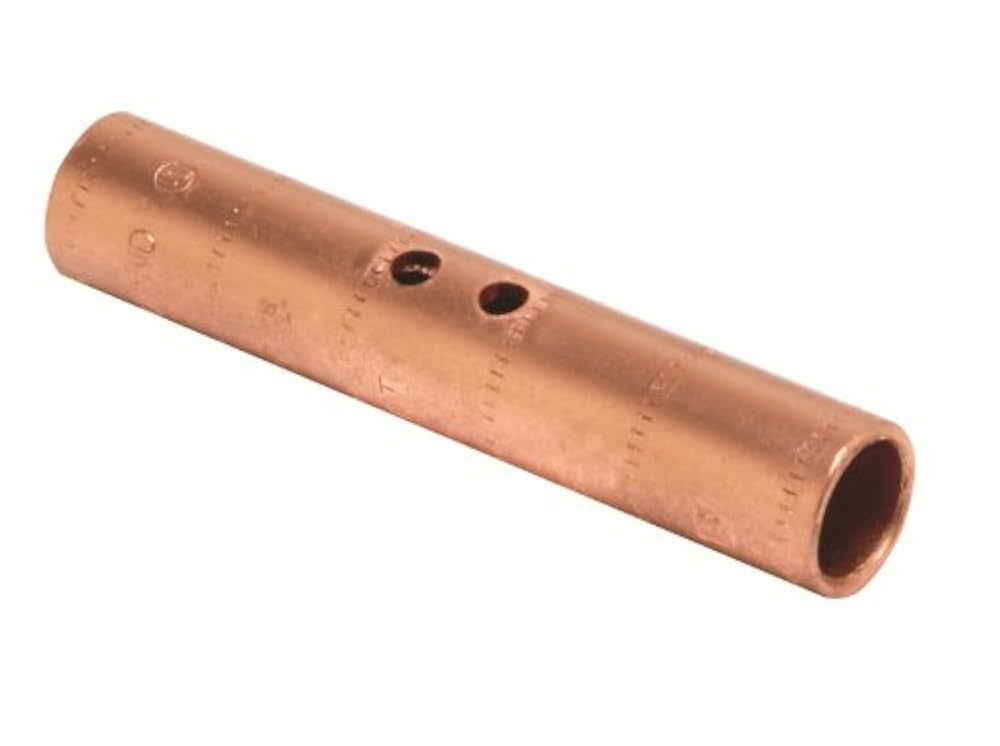
- Reliable power transmission for renewables—compression splices connect conductors end-to-end with high mechanical strength and low electrical resistance. This ensures minimal line losses when evacuating renewable electricity.
- Strengthening grid expansion projects—Argentina is building fresh transmission lines to integrate new solar and wind plants. Compression splices allow seamless conductor extensions, faster installation, and enable utilities to roll out renewable grid connections.
- Enhancing reliability—compression splices provide corrosion resistance and high tensile strength. It maintains performance despite mechanical stress, temperature swings, and weather extremes.
- Supporting grid modernization for high renewable penetration—compression splices maintain conductor integrity under higher thermal expansion. They reduce weak points that could cause line breaks and allow for upgrades of existing lines with new and high-capacity conductors.
- Reducing O&M costs and downtime—the splices reduce the need for frequent maintenance at connection points and extend conductor life to cut replacement costs.
Significance of investments to increase renewable energy capacity in Argentina
Investments in Argentina’s renewable energy capacity impact the economy, environment, and energy system. They reduce emissions, create jobs, attract foreign capital, improve grid reliability, and position Argentina as a competitive player in the global green economy. Key impacts include:
- Strengthening energy security—investments in renewable energy reduce reliance on fossil fuels and imports. This diversification shields the grid from fuel price volatility and improves self-sufficiency by using Argentina’s natural resources.
- Driving economic growth and job creation—large-scale renewable investments bring local economic benefits. These include construction jobs, permanent technical roles, and strengthening provincial economies in remote regions.
- Cutting carbon emissions—investments in renewables deliver measurable reductions in carbon emissions.
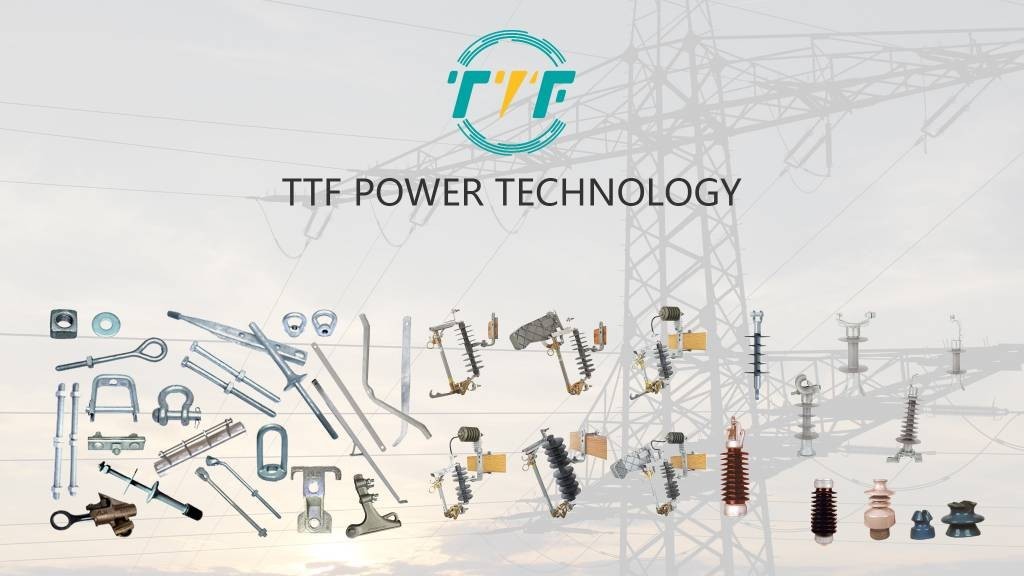
- Modernizing grid infrastructure—renewable integration needs upgrades to transmission networks. Investments include new lines, substations, and components like compression splices, deadend clamps, and arresters. This modernization expands grid capacity to absorb more renewable energy and reduces outages.
- Attracting foreign direct investments—Genneia’s loan highlights Argentina’s ability to attract diverse investors. It creates access to alternative currencies, reduces reliance on scarce dollars, and sets precedents for other developers.