
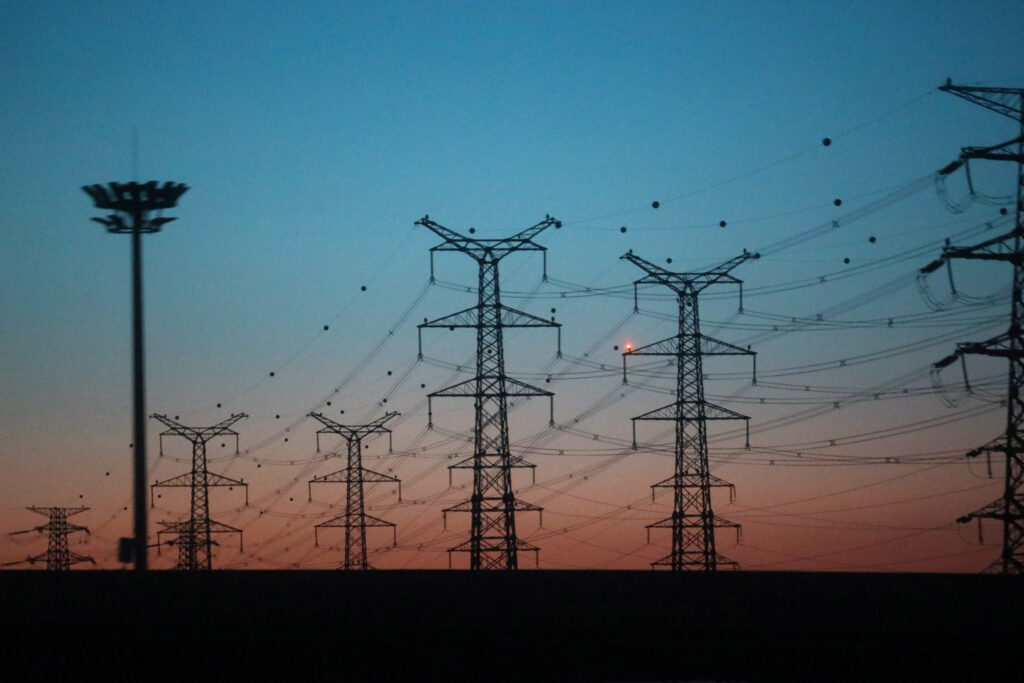
The privatization of Transener in Argentina represents a crucial chapter in the evolution of the electricity sector. Transener is crucial to national energy security, industrial productivity, and renewable energy integration. Its transformation reflects shifts in Argentina’s economic policy and infrastructure modernization strategy. Argentina’s push to privatize the state’s majority stake in Transener is part of the economic liberalization agenda. The government aims to reduce direct state participation in strategic industries and attract private-sector efficiency into infrastructure management. Transmission infrastructure in Argentina needs capital-intensive maintenance and expansion. This announcement also led to the acquisition of three bids, leading to investments for strengthening Argentina’s high-voltage transmission backbone. The upgrade will help integrate with wind generation, solar resources, and electrical demand centers. This will need new 500kV transmission lines, reinforcement of existing substations, and extra interconnection infrastructure. These connections rely on compression terminals to create permanent and reliable connections between conductors and equipment.
Compression terminals form a secure and high-conductivity electrical joint that can withstand mechanical stress and environmental exposure. The terminals provide a secure endpoint for a conductor to allow connection to equipment such as transformers, circuit breakers, switches, or busbars. When compressed with the correct tooling, the terminal barrel deforms around the conductor strands. This process creates a mass that reduces electrical conductivity and reduces resistance at the connection point. This is crucial for efficient power transfer and reducing energy losses. Compression terminals provide mechanical strength and secure the conductor against extreme environmental forces such as strong winds, heavy ice loading, and thermal cycling. This prevents loosening and ensures the reliability of the transmission line.
Quality assurance for compression terminals used in high-voltage transmission networks
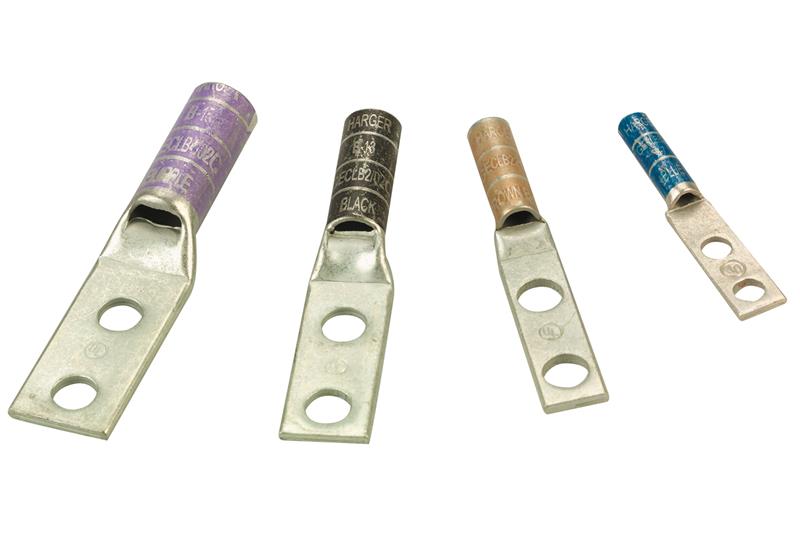
Conducting quality assurance for the compression terminals ensures a stable, low-resistance electrical interface that remains secure even under thermal and environmental stress. Compression terminals experience overheating, elevated contact resistance, and pull-out failure. Conducting quality assurance for the terminals prevents these failures that can lead to outages. The process begins by verifying materials by verifying conductivity, tensile strength, ductility testing, and metallurgical bonding quality. The terminal must match both the conductor and equipment interface to prevent incomplete strand compaction or uneven stress distribution. The process includes surface condition quality, crimping process validation, electrical performance testing, mechanical durability, and installation quality assurance. Quality assurance ensures long-term reliability by conducting infrared thermography, periodic resistance measurements, and failure analysis.
The purposes of compression terminals in Argentina’s Transener infrastructure
Compression terminals are current-carrying components in high-voltage transmission infrastructure. They ensure electrical continuity, mechanical integrity, and reliability under loading and environmental stress. Here are the key roles of compression terminals in high-voltage transmission infrastructure.
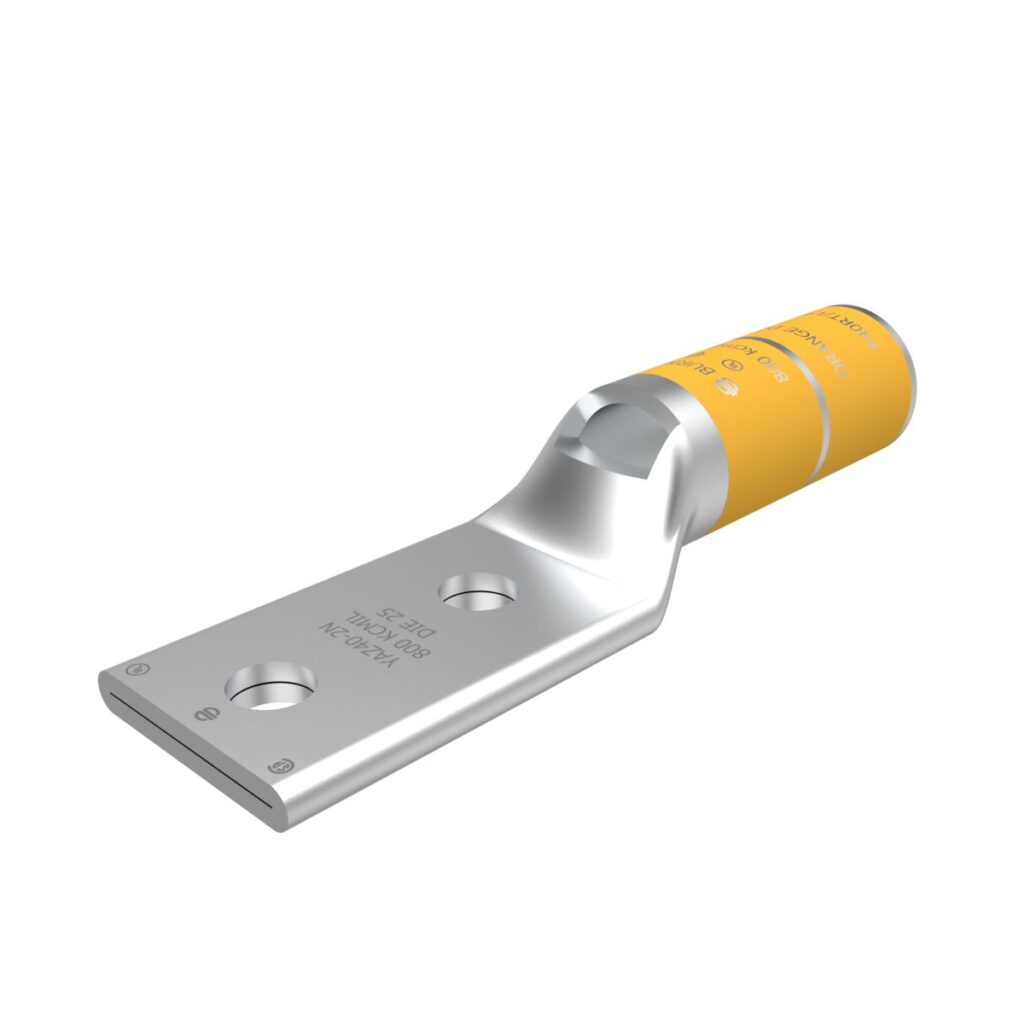
- Low-resistance electrical termination – the compression terminals create a stable and low-impedance interface between a stranded conductor and equipment pads. They offer full strand compaction during crimping and reduce air gaps.
- Mechanical anchoring and load transfer – compression terminals provide a structural interface at connection points. They secure the conductor against pull-out under tensile loads from span tension.
- Thermal stability under cyclic loading – the terminals prevent loosening that would increase resistance and create hot spots.
- Corrosion management and environmental protection – transmission lines depend on tin-plated or bimetallic designs. These designs mitigate galvanic corrosion and use oxide-inhibiting compounds to help maintain electrical integrity.
- Network expansion and modernization – compression terminals enable rapid and reliable interconnection of new lines and substation bays. They support uprating projects by accommodating higher-capacity conductors.
Transener privatization supporting interregional transmission lines.
The privatization of Transener can enable the development of interregional transmission lines by changing capital sourcing and project prioritization. By enhancing regulatory credibility, Transener can shift from incremental upgrades to building the long-distance and high-capacity links needed to connect Argentina’s dispersed energy resources. The upgrades support interregional transmission lines through:
- Tariff frameworks that support expansion—transmission lines need stable revenue models. These include such as cost-reflective transmission tariffs, indexation mechanisms to handle inflation, and incentives for availability and loss reduction.
- Integration of dispersed generation zones—private capital speeds up links from resource-rich regions to load centers. It enables higher transfer capacity, and supports bidirectional flows.
- Procurement and execution efficiency—transmission megaprojects are sensitive to delays and cost overruns. Transener should enhance competitive EPC tendering and performance-based contracts.
- Investment discipline and portfolio prioritization – investments should focus on transmission lines based on congestion relief, load growth, and tariff recoverability. This results in a higher probability that interregional links are built where they deliver system value.