
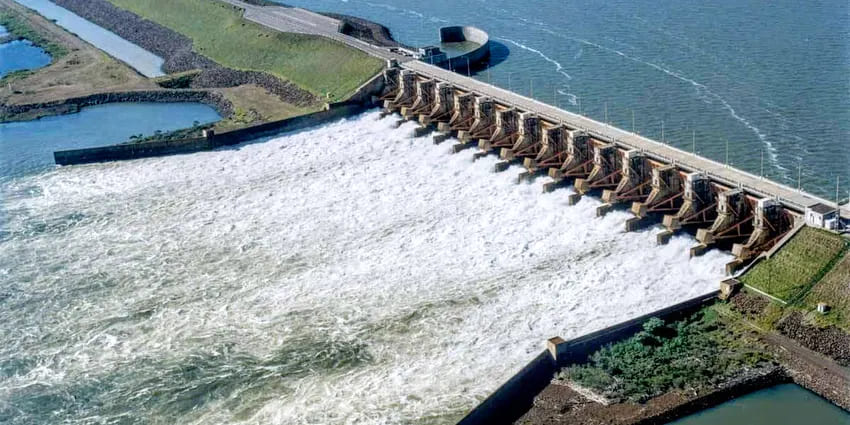
Argentina is on the path to expand its hydroelectric dam infrastructure while handing operations to new private operators. This represents a shift in how the country manages strategic energy assets. The transition also influences infrastructure investment, operational efficiency, market confidence, and energy security. The involvement of the new operators introduces stronger performance and cost-efficiency incentives. This leads to expansion through uprates, turbine retrofits, and auxiliary system upgrades. Various dams in Argentina need rehabilitation to maintain output and safety standards. The new operations can help unlock capital for these improvements. New upgrades and modernization will ensure uninterrupted power generation during expansion phases. The upgrades enhance turbine efficiency, improve water-to-power conversion, and increase dispatch flexibility. This new shift in ownership reflects the strategy to modernize assets, attract investments, and enhance system performance. This leads to increased use of robust hardware such as distribution surge arresters.
Surge arresters ensure the reliability and longevity of Argentina’s expanding hydroelectric infrastructure. They are crucial components when integrating with modern grids, renewables, and battery energy storage systems. Distribution surge arresters are designed to divert dangerous overvoltage transients safely to ground. It works on systems from 1 kV to 36 kV that cover the internal distribution network of a hydroelectric plant and the connection to the local grid. The arresters function at generator terminals to protect hydroelectric dams from surges on the grid.
Distribution arresters protect the high-voltage and medium-voltage windings from lightning strikes and switching surges. Modern grid operations involve frequent switching and connecting capacitor banks, line energization, and fault clearing. Using distribution arresters reduces lightning-induced surges before they enter the switchyard.
Potential barriers facing the expansion of hydroelectric dams in Argentina under new operators
The expansion of hydroelectric dams in Argentina coincided with the handover of operations to new private operators. This presents a set of technical, regulatory, financial, and social challenges. These challenges include operational transfer risks, aging infrastructure, regulatory uncertainty, climate-related risks, grid integration constraints, and environmental constraints. Addressing these challenges would ensure continuity, safety, and long-term value of hydroelectric dams.
Distribution surge arresters in hydroelectric expansion infrastructure
The distribution surge arrester is a crucial component within electrical and power evacuation infrastructure. Surge arresters safeguard hydroelectric assets, maintain reliability, and ensure compliance with national grid standards. This is crucial as Argentina increases installed capacity, modernizes substations, and strengthens grid interconnections. Here are the key functions of the distribution surge arresters in hydroelectric infrastructure.
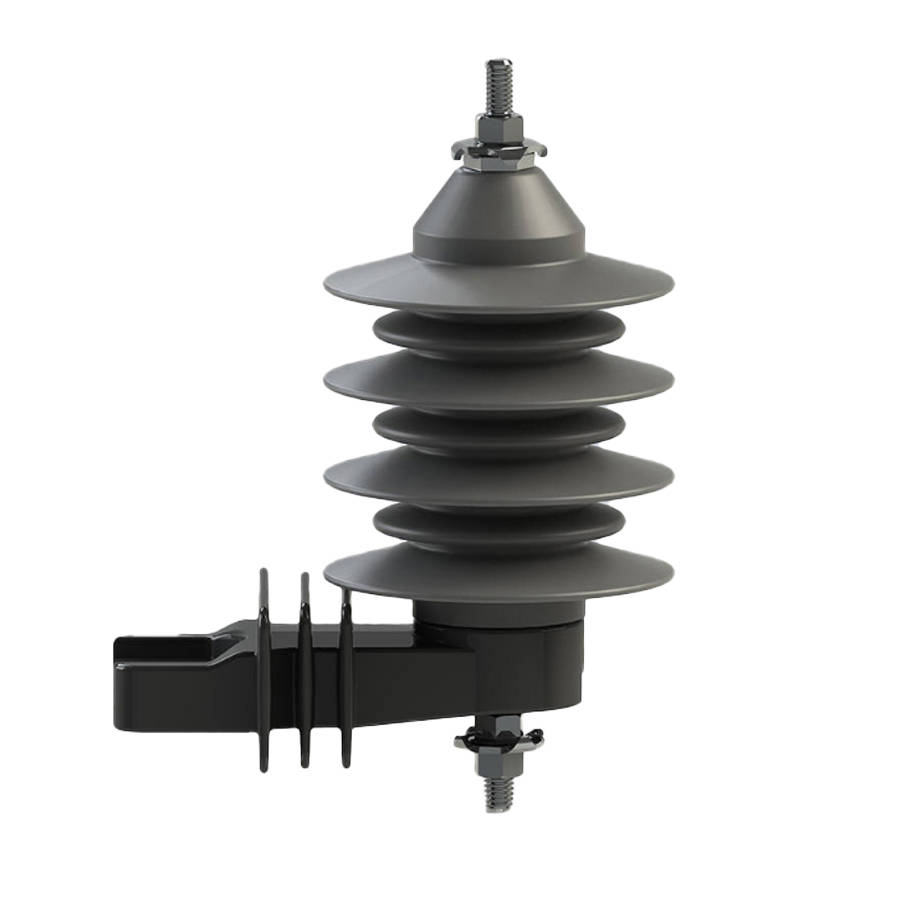
- Protection against lightning and surges—distribution surge arresters serve on medium-voltage distribution lines, transformers, and switchgear. They protect the infrastructure against switching surges generated during breaker operations, turbine start-ups, and load changes.
- Enhancing reliability of power evacuation networks— distribution surge arresters improve the reliability of the networks. They do so by preventing transient faults from escalating to sustained outages.
- Supporting integration with modern control and protection systems—modern distribution surge arresters are compatible with advanced protection relays and monitoring systems. This allows operators to track arrester condition and surge events.
- Supporting compliance with grid and safety standards—rated surge arresters ensure compliance with insulation coordination requirements. They reduce flashover risks and improve personnel safety.
Hydroelectric expansions strengthening Argentina’s energy security
The expansion of hydroelectric capacity strengthens Argentina’s energy security by reinforcing supply reliability, reducing exposure to external shocks, and supporting a more resilient and diversified power system. Hydroelectric expansion strengthens Argentina’s energy security by delivering reliable, flexible, and domestically sourced power. This helps stabilize the grid operations and support a resilient and low-carbon energy transition. Here is the role of hydroelectric expansions in Argentina’s energy sector.
- Reliable power supply—hydroelectric plants provide dispatchable generation and allow operators to adjust output in response to demand fluctuations. Expanded hydroelectric infrastructure increases flexible capacity and strengthens Argentina’s ability to maintain grid stability.
- Reduced dependence on imported fuels—hydroelectric expansion reduces reliance on imported natural gas, diesel, and fuel oil during periods of high demand. The protection from international fuel price volatility and supply disruptions enhances energy sovereignty.
- System resilience and grid stability—hydropower contributes to frequency regulation, voltage support, and spinning reserves. Expanded dams and upgraded turbines improve services to reduce the risk of blackouts and large-scale system failures.
- Support for decarbonization and energy transition – hydropower complements wind and solar energy to reduce the need for fossil fuel backup generation. This reduces emissions and aligns with broader goals of decarbonization and sustainability of the energy system.