
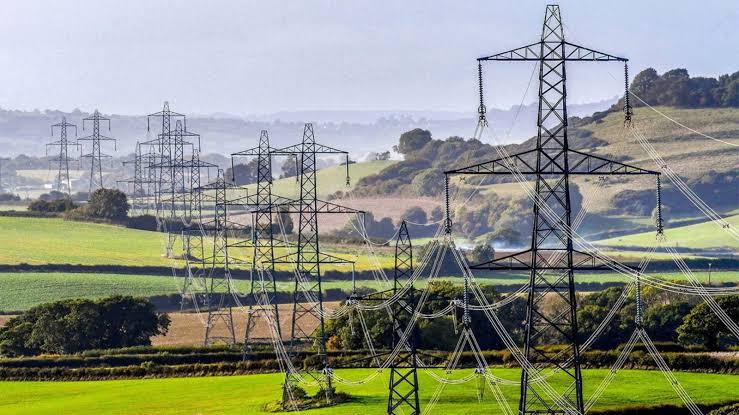
As the emphasis on energy sustainability and efficiency increases, Neoenergia’s engagement of schools is encouraging educational institutions to take part in the 2026 edition. This project seeks to encourage mindful energy use, environmental sustainability, and creativity. The initiative further enhances Brazil’s long-term electricity-sector efficiency by raising consumer awareness, cultivating technical skills, and reinforcing collaboration among utilities, regulators, and communities. Energy efficiency in Brazil is crucial as it incorporates higher amounts of renewable energy generation, distributed generation, electric vehicles, battery storage, and various other energy-intensive technologies. The program enhances the use of distribution transformers, medium- and low-voltage networks, substations, feeders, and transmission infrastructure such as link break cutout by decreasing unnecessary demand. This increases the necessity for grid expansion and supports infrastructure investments by assisting utilities in managing demand more effectively. Galvanized steel deadend clevis utilized in electrical devices improve energy efficiency and sustainability in Brazil.
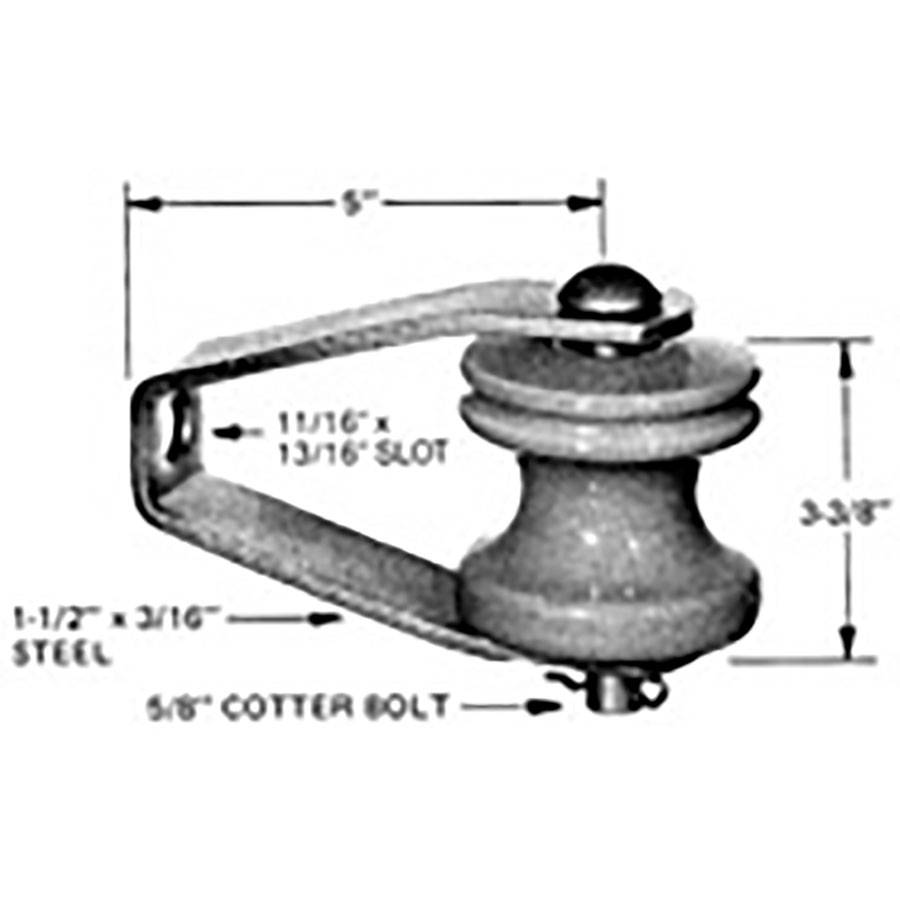
The clevis provides a secure connection point to anchor conductors, ground wires, or guy wires to support structures. It is designed to withstand extreme tensile loads and transfer the mechanical stress from the conductor. This helps prevent localized stress and failure in the electrical equipment. The clevis design allows articulation to maintain the correct alignment of insulator strings and other hardware. The deadend clevis ensures proper functioning and prevents damage from twisting or bending. The clevis is from durable materials and coatings that protect the steel from rust and corrosion. These materials ensure longer service life to enhance efficiency. This is particularly crucial for use in Brazilian coastlines and offshore environments. Corrosion resistance also helps ensure the long-term structural integrity of power lines.
Quality assurance for galvanized steel dead-end clevis as used to enhance Brazil’s energy efficiency
Quality assurance for the galvanized steel deadend clevis ensures the mechanical reliability and corrosion resistance of Brazil’s energy infrastructure. QA verifies the clevis integrity before it enters service. It also contributes to energy efficiency by preventing failures, reducing downtime, and extending the lifespan of grid assets. The QA process includes material verification, in-process checks, visual inspection and dimensional checks, and coating thickness measurement. It also conducts adhesion testing, mechanical performance tests, and acceptance sampling. Quality assurance for the galvanized steel deadend clevis is crucial for use in Brazil’s offshore oil fields like the Campos Basin.
Functions of the galvanized steel deadend clevis in Brazil’s electrical infrastructure
Galvanized steel deadend clevis connects deadend or tensioning assemblies to insulators, brackets, or hooks. The clevis is crucial in networks where the conductor must be securely anchored while withstanding mechanical and environmental loads. Here are the key functions of the cutout in the infrastructure to enhance sustainability and energy efficiency.

- Securing conductors at deadend points—the deadend clevis provides a strong connection point for terminating conductors. It transfers conductor tension into the supporting structure.
- Transferring mechanical loads—the clevis helps transfer longitudinal and transverse forces through the deadend assembly.
- Connecting line hardware components—the clevis connects with deadend clamps, insulator assemblies, clevis pins, eye fittings, and tension hardware. This creates a mechanically continuous load path within the overhead line.
- Maintaining connection reliability—the clevis provides a standardized mechanical interface that helps keep the conductor termination connected during normal operation. Proper dimensional accuracy ensures correct engagement with pins and mating fittings.
- Accommodating conductor direction changes—deadend locations occur where an overhead line terminates or changes direction. The clevis provides a connection interface that allows the deadend assembly to accommodate the mechanical geometry.
Fortifying the electricity mix to enhance the integration of renewables in Brazil for sustainability and energy efficiency
Brazil’s energy mix provides a basis for incorporating extra renewable generation, enhancing sustainability, energy security, and system efficiency. The nation is incorporating solar, wind, biomass, and distributed generation into the electricity network backed by hydropower. In Brazil, hydropower accounts for approximately 52.2% of the nation’s electricity supply. This provides adaptability that assists the system in managing variations in renewable production. Furthermore, incorporating wind and solar power decreases the system’s reliance on hydrological conditions, improving electricity availability. Due to the distance of these resources from electricity demand centers, transmission networks need to be enhanced and updated. The Brazilian government announced that the transmission network surpassed 191,000km of functioning lines. Expansion of transmission capacity can reduce regional congestion, enhance resource sharing across regions, and increase system reliability.