
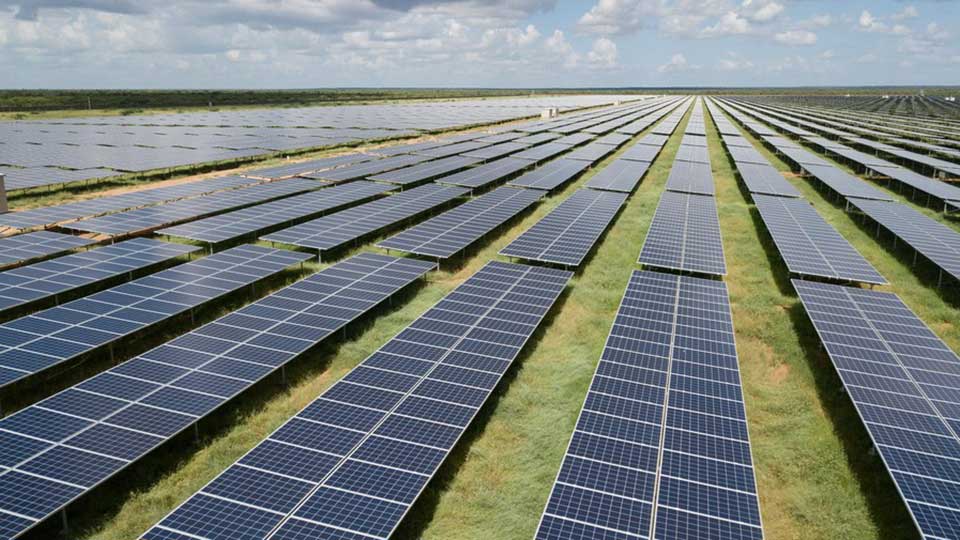
The 103 MW Huatacondo solar plant and its 98 MW/312 MWh battery energy storage system in the Tarapaca region, Chile, were offline following a cyberattack. The incident raises important questions about cybersecurity, grid reliability, battery storage, and the resilience of renewable energy infrastructure in Chile. Solar power plants need robust operational technology security, reliable electrical protection systems, and contingency plans that address digital and physical infrastructure failures. The Huatacondo facility converts solar energy into electricity for Chile’s national grid. It is thus crucial for Chile’s grid reliability and power delivery. A prolonged outage can reduce renewable energy supply and increase the need for electricity from other available generators. The impact of the outage depends on wider system conditions, including demand, transmission constraints, and the availability of alternative generation. A solar facility may use SCADA to monitor inverters, transformer conditions, circuit breakers, and environmental sensors. It also depends on galvanized steel line clamps for connections.
Galvanized steel line clamps in photovoltaic module cable management clips and overhead line hardware clamps. They secure cables along the aluminum frame edges of photovoltaic modules without tools. They keep wiring neat and prevent cables from sticking or wearing against the module surface. The galvanized steel structure provides high strength and weather resistance that can withstand exposure to UV radiation and temperature fluctuations without loosening. Line clamps prevent cable insulation from being cut by metal edges while securing the cable. Galvanized steel line clamps ensure reliable mechanical load-bearing capacity for conductors and maintain good electrical continuity.
Quality assurance for galvanized steel line clamps in Chilean solar power infrastructure
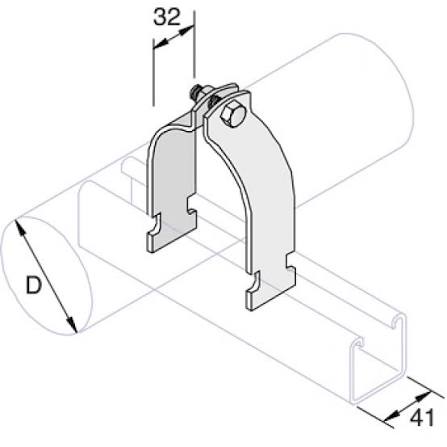
Galvanized steel line clamps maintain the mechanical reliability, corrosion resistance, and service life of electrical infrastructure serving Chile’s solar power plants. The clamps secure conductors and other line components on the plant. The line clamp should withstand mechanical loads, temperature variations, wind exposure, and site-specific corrosion risks. Their performance affects the stability of overhead line connections, the integrity of supporting assemblies, and the amount of maintenance needed during operation. Chile’s solar installations depend on reliable electrical connections between generation facilities, substations, and transmission networks. The QA process should verify material quality, dimensional accuracy inspection, zinc coating quality, and corrosion resistance. It also checks mechanical strength and defects. Quality assurance helps identify defects that can affect the performance and reliability of the clamps in solar plant infrastructure. QA protects the equipment supporting the plant to reduce the risks of cyberattacks.
Importance of galvanized steel line clamps in Chilean solar power infrastructure
Galvanized steel line clamps secure conductors, maintain mechanical connections, and support the reliable operation of the electrical infrastructure serving the solar power plants. Large solar installations in Chile must connect to substations and transmission networks that deliver electricity to demand centers. Here are their key roles in Chilean solar power infrastructure.
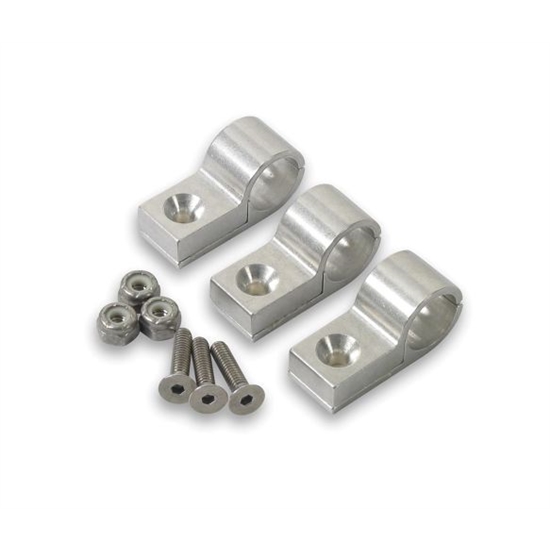
- Securing conductors and maintaining mechanical stability: galvanized steel line clamps hold conductors and line components on the infrastructure. The clamp keeps conductors in their intended position and maintains the mechanical integrity of the assembly.
- Protecting metal components against corrosion: the line clamps have hot-dip galvanized coatings that protect the steel from atmospheric corrosion.
- Maintaining electrical connection reliability: some clamps provide mechanical support and electrical connection. They maintain the required contact conditions without damaging the conductor.
- Supporting solar plant grid connections: galvanized steel line clamps support conductor assemblies within the overhead line and substation infrastructure. They help maintain the integrity of the specific connections they were designed for.
Implications of cyberattacks on Chile’s renewable energy infrastructure
Chile’s renewable energy infrastructure depends on solar panels, wind turbines, transmission lines, and substations. They also depend on digital systems to manage generation, track equipment, coordinate battery storage, and communicate with the electricity grid. A cyberattack disrupts these systems and affects the plant availability even when the physical equipment remains intact. Cyberattacks can interrupt solar or wind generation by compromising control systems, disrupting communications, or forcing operators to disconnect equipment. Battery energy storage systems help manage the variable output of solar and wind generation. They store surplus electricity, discharge during periods of higher demand, and provide grid-support services. The BESS depends on digital controls, battery management systems, power conversion systems, SCADA, and communication links. A cyber incident affecting these systems can lead to loss of monitoring, restricted remote operation, or a precautionary shutdown.