
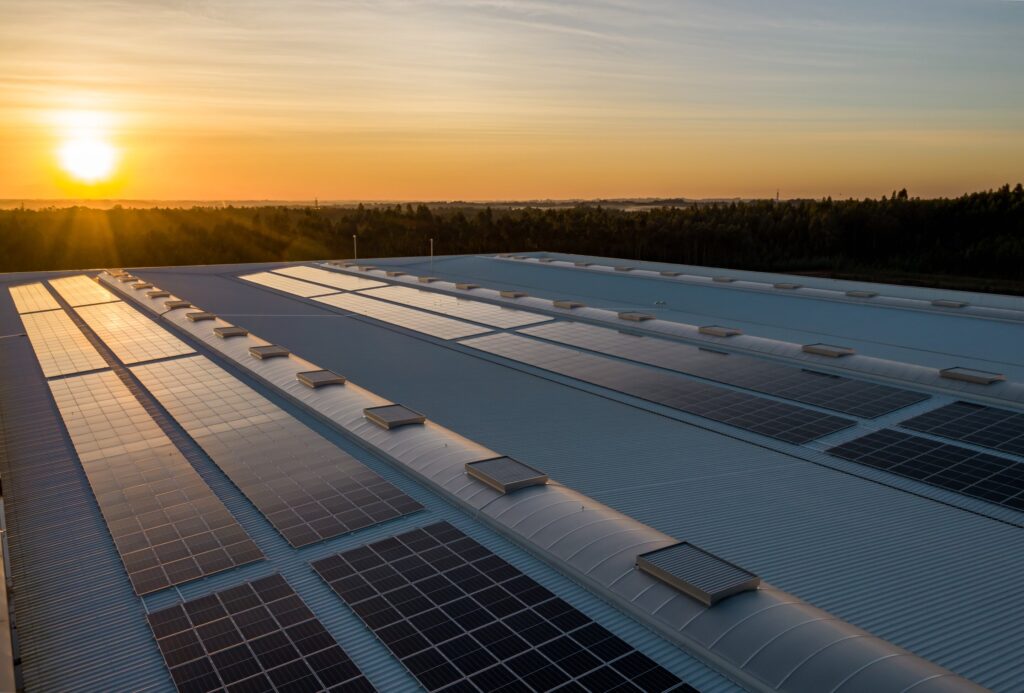
Argentina has a large and diversified energy matrix with renewable energy and fossil fuels. The country has pursued an energy transition strategy aiming to expand renewable energy’s share to reduce dependence on fossil fuels, cut emissions, and strengthen energy security. Regions like Patagonia and the northern regions have abundant wind and solar resources. This has led to the development of renewable projects with an installed capacity of 5,500 MW. However, distributed energy generation is emerging as a pillar by decentralizing energy production and involving consumers in the transition. Argentina has an installed distributed generation capacity of about 73.7 MW, with other projects totaling 38.4 MW in the pipeline. Major rooftop solar PV systems are adopted in urban areas like Buenos Aires, Mendoza, and Córdoba. Guy strains provide mechanical stability and ensure the structural integrity of utility poles.
Distributed energy generation arises with support from technological innovations such as smart meters, hybrid systems, and emerging storage solutions. Guy strains ensure the safe and reliable operation of the electrical distribution systems. A guy strain is a high-strength cable that connects from a point high on a utility to an anchor in the ground. Its sole purpose is to counteract mechanical forces that would cause the pole to bend, lean, or collapse. The guy strain installs on the opposite side of the pull to balance the force and keep the pole straight. Guy strains protect poles from winds pushing against the poles and wires. Poles carry transformers, switches, and reclosers that add considerable weight and leverage forces. Guy strains ensure that power lines maintain their correct height above the ground and proper sag between poles.
Functions of guy strains in distributed energy generation
Guy strains are tensioned cables used to provide mechanical support to utility poles and transmission structures. They balance forces acting on poles to prevent them from leaning under the weight of conductors, wind pressure, or uneven loading. The strains ensure the stability, safety, and reliability of distribution networks. They support the integration of small renewable projects into both urban and rural grids. Here are the functions of guy strains in distributed energy generation in Argentina.
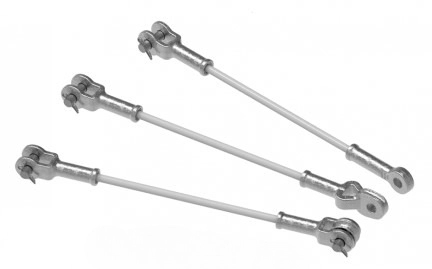
- Structural stability of distribution poles—distributed generation needs new local connections to the existing grid. Guy strains keep poles upright and stable under extra loads from conductors and hardware needed to integrate rooftop solar PV, small wind, or biomass-fed lines.
- Handling bidirectional power flows—DEG introduces two-way electricity flows from the grid to consumers and back to the grid. Guy strains absorb and balance these forces to ensure poles remain sound under changing load conditions.
- Maintaining conductor alignment and safety—proper alignment of conductors is crucial for insulation clearance, phase spacing, and safety. Guy strains hold poles in position and prevent conductor sag that could disrupt DEG-fed networks.
- Supporting rural electrification with DEG—guy strains stabilize poles along stretches of feeder lines that connect the decentralized plants to the grid. They ensure continuity of supply in regions where grid infrastructure needs to be robust.
- Easing grid expansion for small producers – Guy strains are crucial in enabling quick, safe, and cost-effective grid extensions, accommodating decentralized energy inputs.
Potential of distributed energy generation in Argentina’s energy sector
Argentina’s energy sector is transitioning to utility-scale renewables to reduce reliance on fossil fuels. With the 73.7 MW of installed distributed generation capacity, Argentina stands to gain the DEG benefits. Integration with microgrids and energy storage could boost resilience in remote regions. The potential of DEGs in Argentina’s energy sector is as discussed below.
- Abundant renewable resources—Argentina has high solar irradiation that supports rooftop solar PV.
- Policy framework—some laws provide the legal backbone for distributed generation that allows the connection to the grid. Some provinces add tax incentives or subsidies to create fertile ground for rapid growth.
- Energy security and reliability—distributed generation reduces dependence on centralized fossil-fuel plants. It also reduces transmission losses and increases resilience during peak demand.
- Economic and social benefits—DEGs create local jobs in the installation, maintenance, and manufacturing of renewable equipment. It reduces exposure to tariff volatility and fuel price shocks.
- Collaboration with lithium and storage—Argentina’s lithium reserves create opportunities for lithium battery production. Lithium batteries could make solar and storage systems more affordable to speed up DEG adoption.