
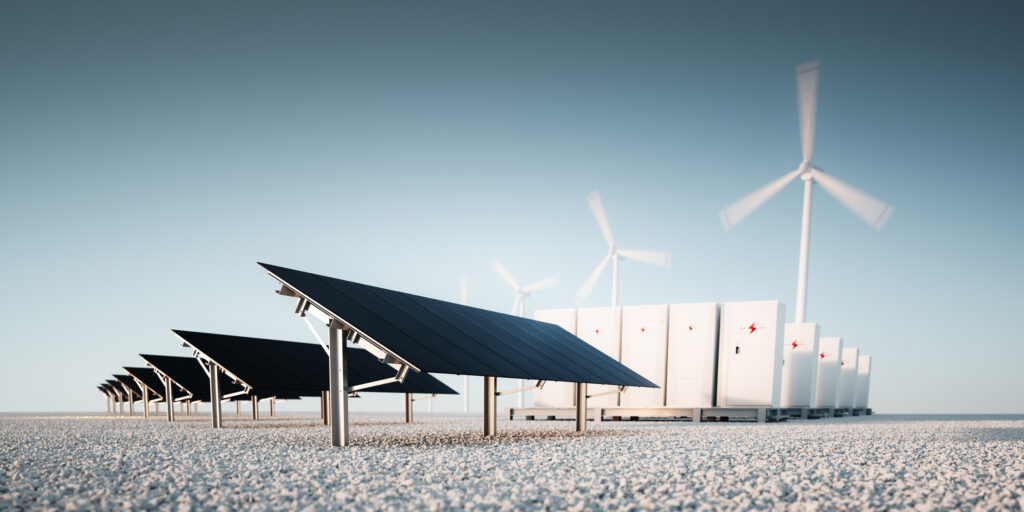
Peru’s energy transition demands significant investments, as the country still depends on hydropower and natural gas. Investment is picking up momentum led by utility-scale solar and long-overdue power grid concessions and battery storage systems. For instance, Yinson’s 97 MWp Matarani is online, and Zelestra plans $1-1.5B for up to 1 GW mainly to serve mines. The recently launched San Martin 300 MW solar plant is an example of a clean and sustainable energy transition. Peru also revived technology-neutral supply tenders that improved bankability for PPAs. Additionally, IFC is urging faster renewables build-out to meet demand growth in the region. Integration with BES can provide primary frequency regulation, creating a clearer path to monetize ancillary services. The trend is moving towards solar, wind, and green hydrogen, driven by economic factors and corporate demand. The use of helical dead-end clamps provides a secure, reliable, and cost-effective termination point for overhead ground wires.
Quality dead-end clamps end stranded cable on overhead ground wire or transmission tower structure. It provides a superior grip without damaging the individual strands of the cable. This is crucial for maintaining the cable’s strength and integrity over decades of service. Helical dead-end clamps ensure the cables remain attached to the tower even under extreme mechanical loads from wind or lightning strikes. Transmission lines connecting renewable projects to the grid must be resilient. Helical deadend clamps provide reliable lightning protection to ensure the lines deliver power without constant weather-related interruptions. The clamps secure the cables carrying data to enable the smart functionality needed to manage higher penetration of renewables. Using this clamp ensures that new clean energy projects connect to the grid and deliver their power safely and reliably.
Functions of helical dead-end clamps in infrastructure supporting energy transition goals
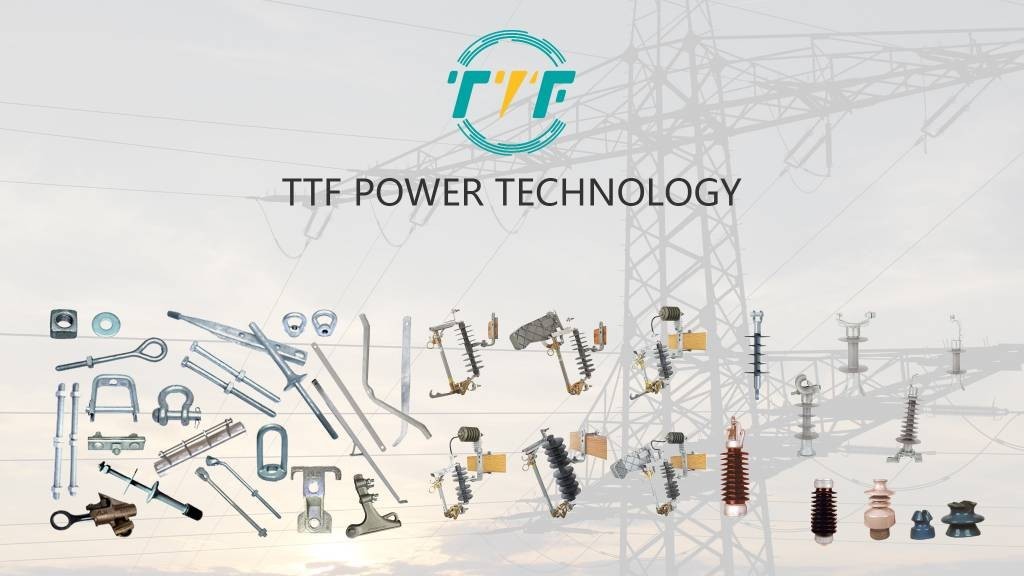
Helical dead-end clamps are spiral-shaped rods that wrap round a conductor, ADSS/OPGW cables, or static wire to anchor it to a pole. Peru’s solar and wind goals depend on robust hardware that installs fast and survives Andean altitude and coastal salt fog. Helical dead-end clamps work on transmission towers, wind and solar collector systems, and mining corridors. Here is a further discussion on their functions in energy transition.

- High-strength anchoring without conductor damage—the preformed rods share the load over a long grip length. They distribute mechanical stress across the wrapped length of the preformed rods.
- Fast installs—the clamps need no hydraulic presses or specialized tools where crews wrap them by hand and secure the grip.
- Enhanced fatigue and vibration resistance—aeolian vibration and galloping are crucial in tensioned spans. Helical clamps reduce stress concentration at the termination points and work well with dampers.
- Fiber optic cable protection—helical deadend clamps protect the cable sheath and fibers by maintaining a safe bend radius and avoiding stress risers.
- Corrosion resistance—helical rods are often galvanized or aluminum-clad to provide protection against corrosive environments. They have a smooth and uniform surface that reduces corona discharge and radio interference at EHV terminations.
- Improved grid reliability—the clamps reduce fretting hot spots and strand breakage to improve the mechanical and electrical performance of lines.
Investment trends in Peru’s energy transition
Peru’s energy transition is moving from a traditionally hydro-thermal system towards a more diversified, resilient, and sustainable matrix. Investment is flowing into several areas driven by global trends, national policy, and economic requirements. These trends include:
- Renewable energy investment—Zelestra is leading the charge with a $1-1.5B investment over five years, aiming to build 1 GW of solar capacity in Peru. There are already operational projects like the San Martin and Babilonia solar projects.
- Solar growth—there are projects under construction and an immense pipeline of 18 GW under various development stages.
- Wind energy—Peru’s wind potential is massive in regions like Talara, Marcona, and La Libertad. Major projects include Engie’s 260 MW Punta Lomitas, while Acciona and Enel seize opportunities in the country.
- Policy revamp supporting renewables—the government is redefining auction structures, allowing supply contracts and technology-specific blocks, and easing procedures.
- IFC roadmap—the IFC solar and wind projects could make up 45% of installed capacity to emphasize the integration of battery storage and hybrid mini-grids for rural electrification.
- Green hydrogen—there is regulatory groundwork underway through collaborations, including the UK embassy and foreign academic partners, to draft implementation guidelines.