
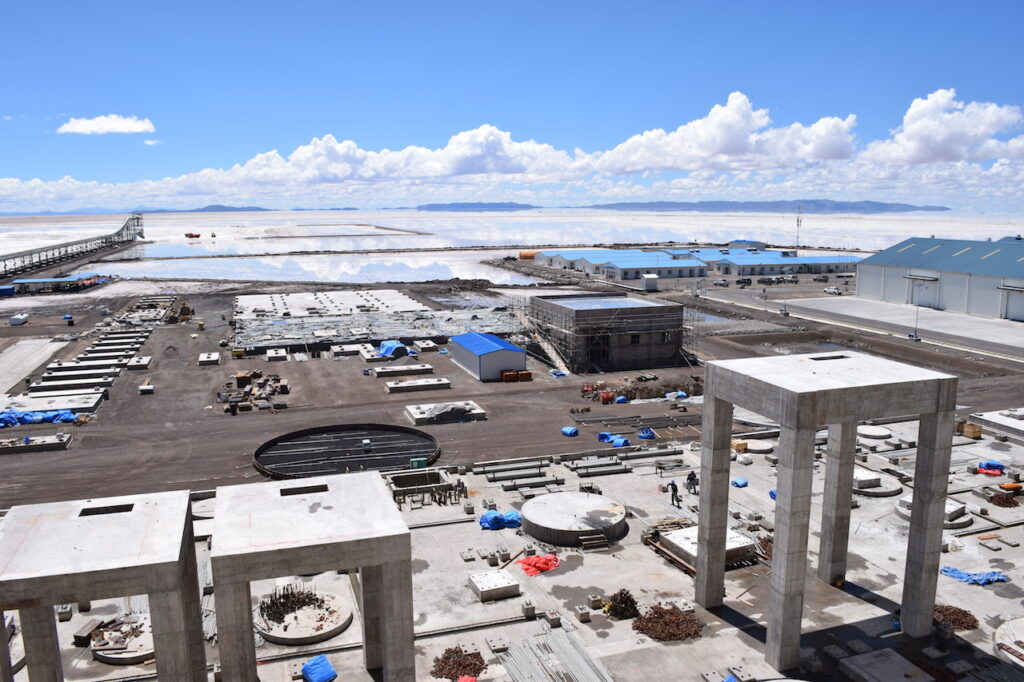
Bolivia’s Salar de Uyuni provides lithium endowments, turning the buried potential into battery-grade lithium carbonate for electric vehicles and grid storage. Electric vehicle automakers and battery makers need battery-grade lithium carbonate or lithium hydroxide. Bolivia can supply lithium carbonate reliably. In this case, insulated piercing connectors (IPC) support the electrical distribution systems that power the production operation. They enable safe, reliable, and efficient electrical connections without shutting down power.
Bolivia is shifting from old solar-evaporation methods toward direct lithium extraction (DLE) and hybrid flowsheets. With increased lithium carbonate capacity, Bolivia has signed major agreements with foreign partners to build DLE plants. Reported projects include a multi-stage rollout. This includes a small pilot, then larger plants planned in phases. Producing lithium carbonate at scale in Uyuni raises major water, ecosystem, and community questions. The production processes demand power line hardware components like IPCs for secure connections.
An insulated piercing connector is a specialized electrical connector designed to tap into an existing live insulated electrical cable without the need to splice the cable. It features sharp, conductive teeth that pierce through the cable’s insulation to make contact with the conductor. The body is fully insulated to protect the installer and the connection from the environment. Lithium carbonate production involves massive equipment like high-pressure pumps, industrial-scale evaporators, centrifuges, reactors, and control systems. These need a reliable electrical supply supported by insulated piercing clamps.
Importance of insulated piercing clamps in Bolivia’s lithium-carbonate plants
Insulated piercing connectors allow technicians to make reliable electrical taps onto insulated conductors without stripping the insulation. Using the right IPC improves uptime, safety, and the speed of installation and maintenance. Insulated piercing connectors create an electrical connection by piercing cable insulation and biting into the conductor. This provides mechanical support for service taps, instrumentation leads, or temporary power lines. The connectors maintain insulation and weatherproofing at the tap point. It reduces dust, moisture, and salt ingress. Additionally, they speed installations and repairs where time on site is costly. This translates to fewer outages and faster plant ramp-up in Bolivia.
Functions of the insulated piercing clamps in Bolivia’s lithium carbonate plants
Lithium carbonate supports the electric vehicle battery production and the renewable energy sector. This ensures safe, efficient, and reliable power distribution inside processing plants. Insulated piercing connectors play a crucial role in connecting, tapping, and protecting power networks across lithium extraction and processing facilities. Here are the functions of the IPC in lithium carbonate processes.
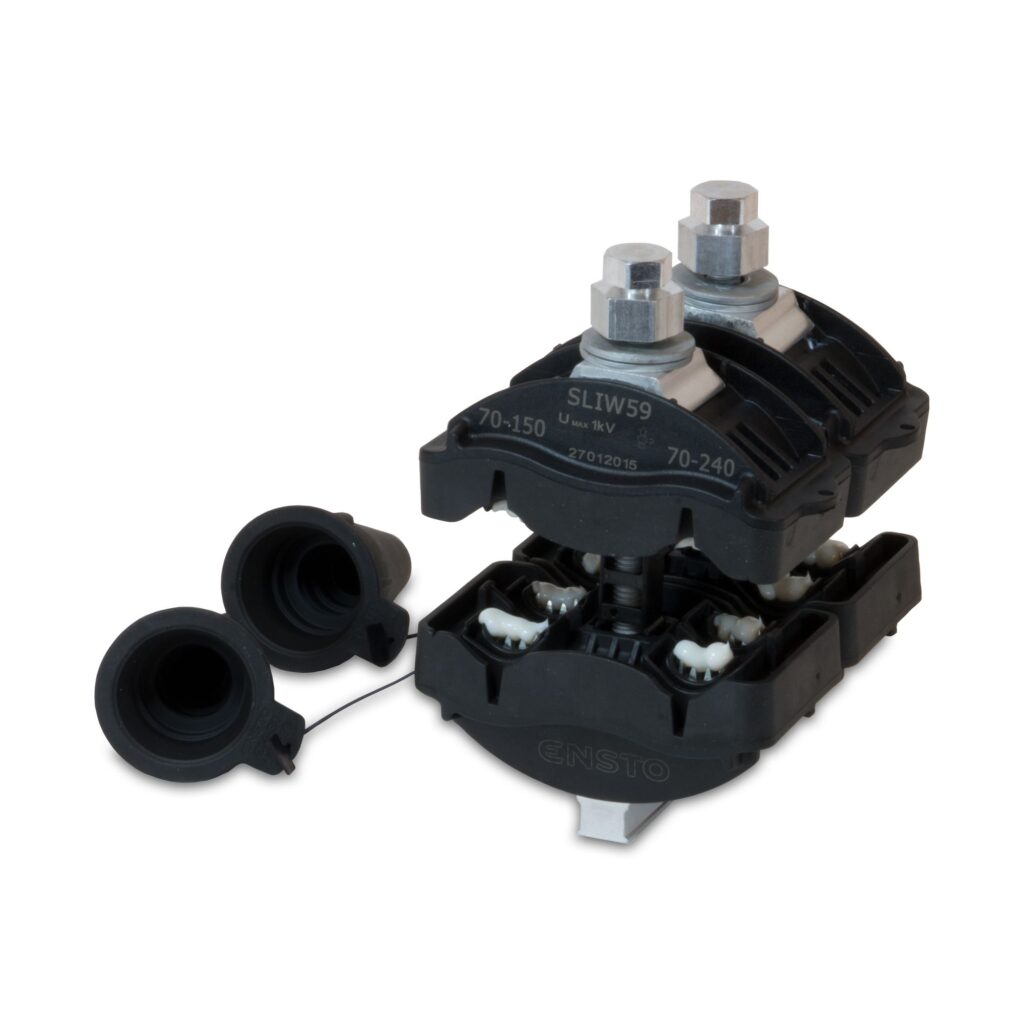
- Power distribution and control system connectivity—IPCs create quick and reliable branch connections in low-voltage power networks. Insulated piercing connectors allow technicians to tap power lines and ensure a consistent energy supply.
- Integration in renewable and hybrid energy systems—insulated piercing connector serve in solar array wiring, hybrid microgrids, and temporary construction power. Their design enables fast deployment and reduces the risk of faults.
- Maintenance and plant expansion—insulated piercing connectors make it easier to add new electrical branches during expansion phases, perform quick maintenance, and reconfigure distribution networks when layouts change.
- Supplication in instrumentation and automation networks—IPCs support modern lithium-carbonate plant automation. They enable quick, sealed connections for instrumentation wiring.
Relevance of lithium carbonate in Bolivia’s industrialization
Lithium carbonate plays a crucial role in electric vehicles, renewable energy storage, and battery technologies. Bolivia’s lithium-carbonate industry can become a blueprint for sustainable industrialization. Here is the importance of lithium carbonate in Bolivia’s industrialization.
- Advanced manufacturing—lithium carbonate is the starting compound for producing a wide range of industrial materials supporting Bolivia’s modernization.
- Electric vehicle and battery industries—battery-grade lithium carbonate serves as the core ingredient in producing cathode materials for lithium-ion batteries.
- Energy sector and renewable transition—lithium carbonate plays a key role in grid-scale lithium-ion batteries. This helps stabilize solar and wind generation, store excess renewable energy, and enhance rural electrification.
- Technological innovation and knowledge transfer—developing lithium carbonate processing plants need advanced technologies. Partnerships with China, Russia, and Germany bring technical expertise and modern industrial practices.
- Expanding industrial exports and economic diversification—lithium carbonate provides a pathway to diversification. This enables the export of high-value-added products. The transition from primary extraction to secondary and tertiary industries reduces vulnerability to commodity price swings.