
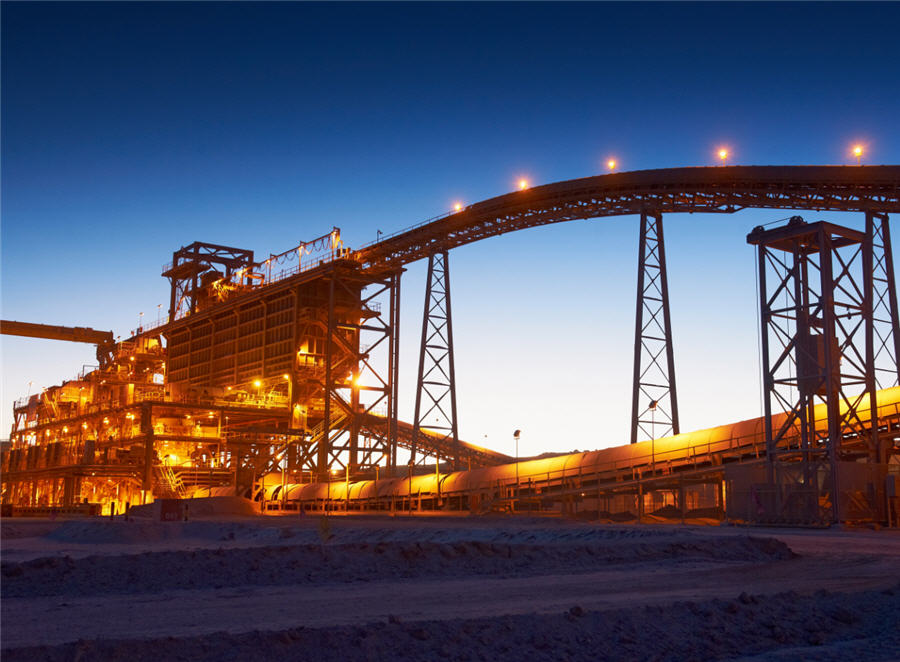
As the world’s leading copper producer, Chile handles a quarter of the global supply with the transition towards a carbon-zero future. Chile shapes the pace, cost, and reliability of clean-energy development. Copper is an essential metal for EV manufacturing, renewable power networks, and decarbonization. The abundant copper resources in the Atacama Desert are necessary for solar and wind installation, utility-scale transmission systems, electric vehicles and charging systems, battery energy storage, data center electrification, and hydrogen production infrastructure. Additionally, Chile is integrating solar plants near mining hubs, wind power, battery storage for grid stability, and renewable transmission lines. This helps decarbonize mining operations to reduce the carbon footprint of technologies. This necessitates the use of insulator brackets to support and mount electrical insulators to poles.
Insulator brackets provide a secure mechanical foundation while maintaining the necessary electrical clearance. This is crucial to prevent short circuits on transmission lines. They ensure the resilience and reliability of the electrical infrastructure powering copper mines. It also eases renewable energy integration and supports the growing ecosystem. The brackets hold the weight of the insulators and the electrical conductors they carry. They position the insulator at a safe distance from the grounded structure. This prevents electrical current from flowing to the ground.
Insulator brackets come in various designs, including crossarm brackets, pole top brackets, suspension brackets, and brace brackets. These function in high-voltage transmission lines for the massive shovels, crushers, and concentrator plants in the Atacama Desert. Insulator brackets ensure the reliable and safe delivery of power to prevent outages in the copper mines. Additionally, they route the power round the mining operations through electrical ropes and distribution lines powering the equipment. In Chile’s energy sector, insulator brackets connect renewable energy to the grid and enable the electrification of transport.
Strategies to enhance the stability and reliability of copper supply in Chile
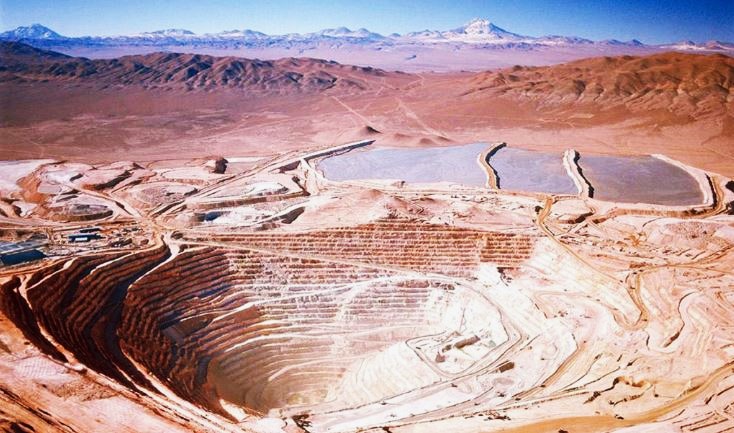
Chile can strengthen the reliability of its copper production and secure its role as the key to global energy transition. This can be through modernizing its mining operations, strengthening infrastructure, and reducing environmental and operational risks. These measures may increase the reliability of copper-intensive technologies. These include EVs, batteries, power grids, and renewable energy systems. These measures can include strengthening and expanding high-voltage transmission infrastructure and desalination and water management technologies. It also includes promoting digital mining for higher operational uptime, developing new deposits, diversifying energy input through industrial-scale storage systems, and supporting innovation in low-carbon copper production. Insulator brackets can help reduce electrical dangers in the infrastructure, addressing the common challenges in copper mining.
Functions of insulator brackets in copper production
Insulator brackets maintain safe, stable, and efficient electrical infrastructure in copper extraction, processing, and desalination operations. They are crucial components in the electrical systems powering Chile’s copper mines. Here are the functions of the insulator brackets in copper production processes.
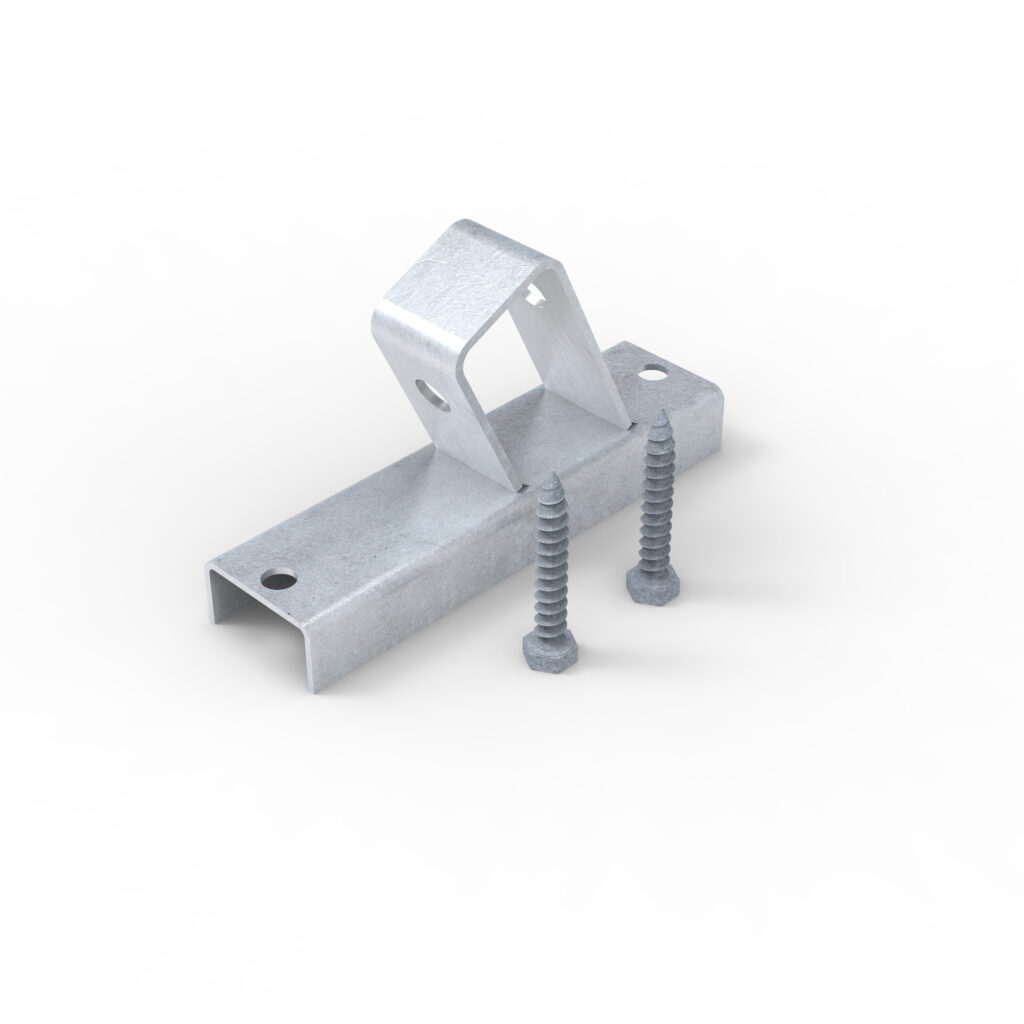
- Support for insulators on transmission and distribution structures—insulator brackets act as the mounting hardware that holds insulators. Their support ensures the insulators maintain the designed spacing and clearance.
- Maintain electrical isolation—the brackets help maintain correct electrical isolation between conductors and structures, enough creepage distance, and proper mechanical alignment.
- Enhance mechanical stability—insulator brackets provide mechanical anchoring for insulators, absorb vibration from mining machinery, and maintain alignment.
- Support renewable energy integration—Chilean copper mines depend on solar and wind power, overhead lines, and substations connecting renewable plants to mining operations. These demand the use of insulator brackets to secure installations and improve the sustainability of copper supply.
Technologies supporting energy transition through copper use
Chile’s energy transition depends on copper and technologies transforming power systems, mobility, and industrial processes. Insulator brackets function in these technologies to reduce downtime in copper production, support low-carbon mining operations, and improve power-grid resilience. These technologies interconnect with the mining, electrification, and renewable energy systems. The technologies include:
- Renewable energy technologies—copper is essential to solar photovoltaic systems and wind turbine manufacturing.
- High-voltage transmission—Chile’s interconnection lines depend on copper components to move solar energy from production to consumption areas.
- Battery energy storage systems—copper is crucial for power conversion systems, battery interconnects, and high-current conductors.
- Electric mobility and charging technologies—copper serves in EV traction motors, battery packs, urban charging hubs, and mining fleet electrification.
- Digital automation technologies—the modern mining operations rely on high-reliability electrical and communication systems built with copper. These reduce downtime, increase safety, and improve production consistency.