
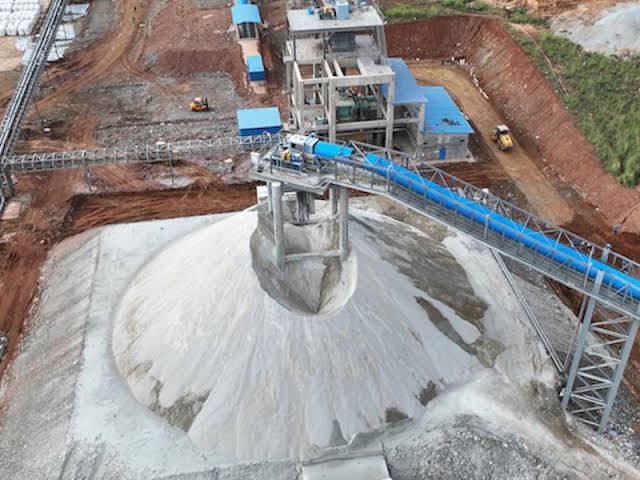
Argentina recently placed second in the FIFA World Cup 2026, receiving a $33 million reward from FIFA. This is a significant amount, but it hardly matches the monetary inflows from the mining industry. Mining exports reached an unprecedented $3.2 billion in the initial four months of 2026. As the Argentine footballers played on the field, the lithium industry was setting records by generating millions in exports. Argentina is hastening the construction of a pipeline that currently comprises 56 projects at various levels of progression. Lithium is an essential mineral in the energy industry propelled by energy transition, energy storage, and electric vehicle production. The initiatives involve almost $15 billion in funding aimed at launching new operations and enhancing current projects. This funding will aid processing facilities, logistics systems, electricity transmission infrastructure, telecommunication networks, and power distribution as well as fasteners such as J hooks.
The J hook helps in anchoring and supporting heavy loads in industrial settings. The J-shaped hook is embedded in a concrete foundation where the hook’s curve grips the concrete. It provides strong resistance against pull-out forces, which makes it ideal for securing heavy machinery. J hooks can also suspend or support piping systems, cable trays, and other utilities. The hooks secure equipment like pumps for brine extraction or the machinery used in the processing plants to their concrete foundations. Lithium processing involves large volumes of brine and chemicals through extensive pipeline systems. The J hook anchors and supports these pipes on their supports to ensure reliability and efficiency.
Quality assurance for the J hooks used in Argentina’s lithium mining
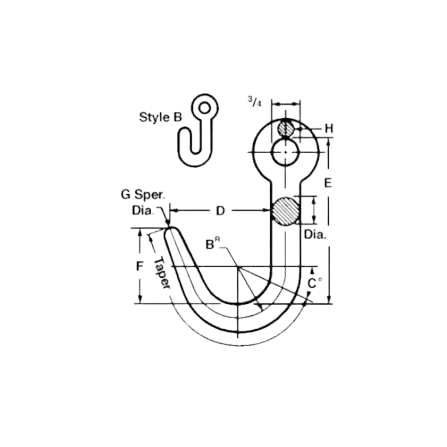
J hooks serve in mining infrastructure to support, guide, secure, or suspend cables, conduits, and communication lines. Quality assurance ensures that J hooks maintain their mechanical integrity and service performance during installation. QA helps identify defects that can lead to cable sagging, mechanical damage, falling cables, service interruptions, and increased maintenance requirements. Quality assurance offers reliable J hooks that support safe cable management, infrastructure durability, operational continuity, and reduced costs. The hooks protect communication, power instrumentation, and control cables from mechanical stresses. QA for the hooks covers material quality and verification, manufacturing inspection, mechanical load testing, corrosion-resistance testing, and installation and compatibility checks. Strict quality assurance is crucial to the performance of Argentina’s lithium mining infrastructure.
Importance of J hooks in lithium mining infrastructure
J hooks secure, suspend, and route cables, conduits, and utility lines across mining facilities. The hooks support electrical, communication, instrumentation, and control systems that operate across processing plants and extraction facilities. Here are the key roles of the hooks in lithium mining.
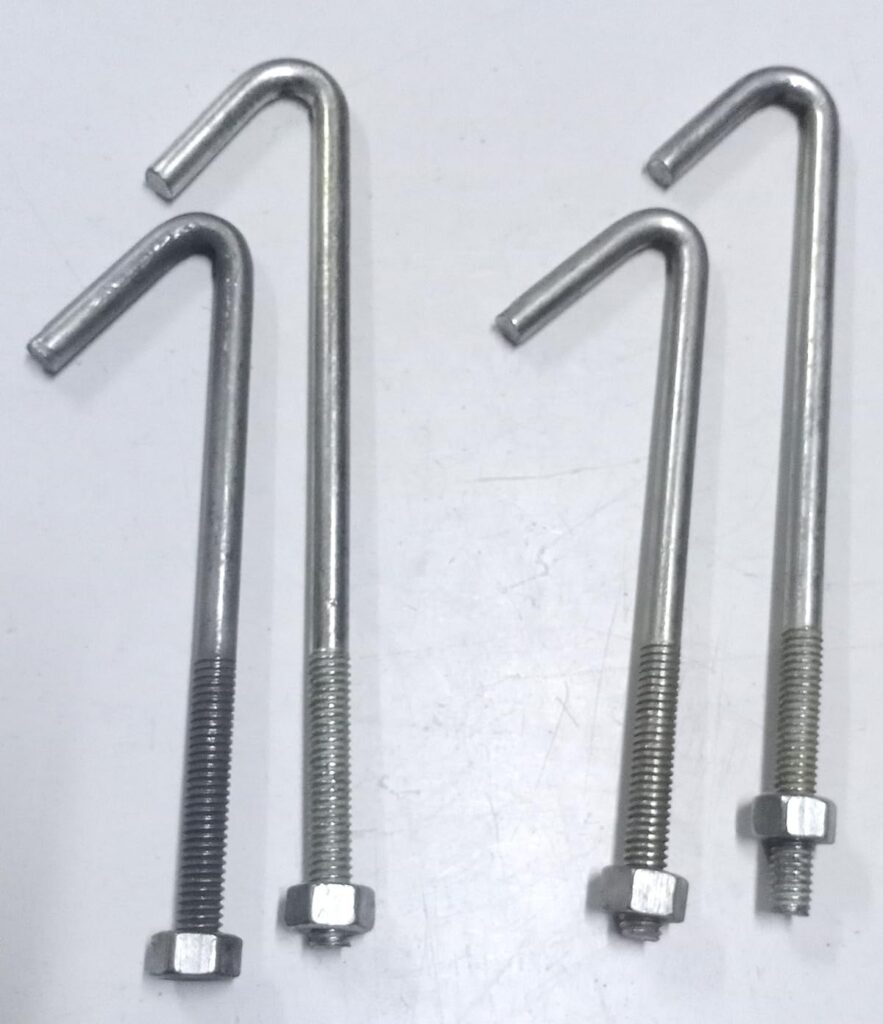
- Supporting cables and utility lines – J hooks provide support points for cables and conduits. They also support power cables, communication lines, control cables, and other low- or medium-voltage systems.
- Managing cable routing – the hooks help guide cables along walls, structural members, cable pathways, and other support structures. They help reduce disorder and improve installation management.
- Preventing excessive cable sagging – J hooks help prevent cables from sagging under their own weight. They reduce mechanical stress and help maintain safe clearances from equipment and other infrastructure.
- Supporting infrastructure flexibility – J hooks provide adaptable cable support in areas where cable routes need expansion. This is crucial in mining operations that need extra processing equipment, communication systems, or electrical infrastructure.
Significance of dependable infrastructure in Argentina’s lithium extraction industry
The dependability of infrastructure is essential for the effective growth of Argentina’s lithium sector. Projects in Juju, Salta, and Catamarca are transitioning from exploration to building and commercial production. This will cause mining activities to rely on consistent power, water, transport, communication, and industrial infrastructures. This requires dependable infrastructure for:
- Maintaining ongoing mining and processing activities – lithium extraction and processing rely on linked systems. These consist of pumping machinery, processing facilities, control apparatus, and material-handling systems.
- Ensuring a reliable electricity supply – electricity energizes pumps, processing machinery, laboratories, lighting, communication systems, and control mechanisms. Dependable power infrastructure relies on transmission lines, distribution systems, substations, transformers, cables, and grounding systems.
- Enhancing telecommunications and digital connectivity – dependable telecommunication infrastructure enables mining firms to sustain communication among processing plants, control centers, extraction locations, and remote monitoring facilities.
- Safeguarding investment in lithium initiatives – infrastructure breakdown may diminish investment returns by elevating repair expenses, production setbacks, and project holdups.