
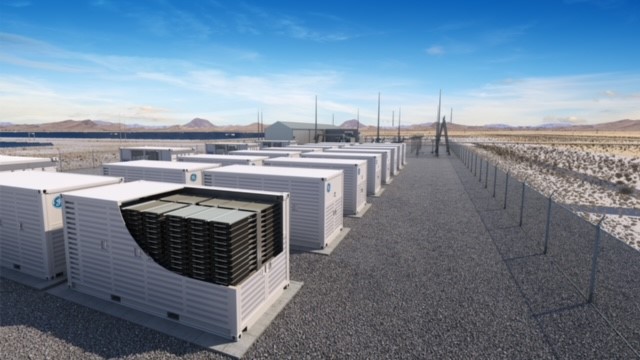
Korkia, a Finnish renewable energy investor, along with Chilean development partner Solar Ray, has recently obtained environmental approval for a BESS project in Chile with a capacity of 150/750 MWh. The regional environmental permitting authority approved the Paicavi BESS. The Paicavi BESS is slated to commence operations in September 2028 and is anticipated to conclude its life cycle in November 2058. The collaboration is also concentrating on creating solar and storage as well as standalone BESS projects in Chile. This project also encompasses the building of 150 containerized 5 MWh battery units and a 33/110 kV step-up substation for connection to the national grid. It additionally integrates 280 MW of large-scale solar PV with a 1.24 GWh BESS. These advancements rely on strong hardware like line surge arresters.
High-quality surge arresters ensure the reliability, safety, and longevity of BESS systems by managing electrical stresses. They shield sensitive and expensive equipment from voltage spikes. Surge arresters protect the battery systems and related power electronics. They do so by clamping overvoltages and diverting the excessive surge current to the ground. This helps prevent physical damage and ensures operational integrity. Line surge arresters shield inverters and converter systems from transient damage. This is crucial for maintaining the stability of renewable energy integration. The arresters prevent system failures that can arise from voltage imbalances within the BESS. Surge arresters ensure that the storage systems can handle the electrical stresses related to the variable and large-scale integration of solar and wind power.
Quality assurance for line surge arresters used in Chile’s BESS projects
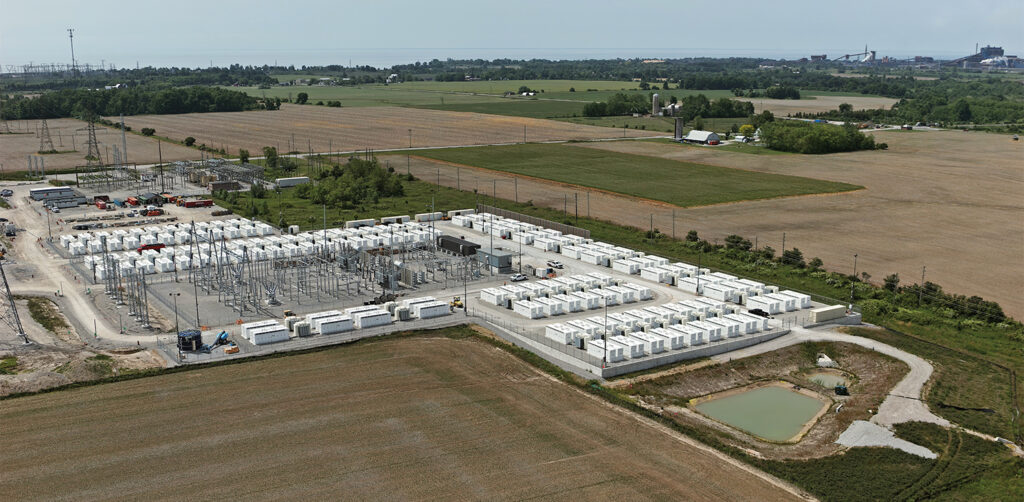
Line surge arresters protect equipment and power electronics from transient overvoltages. Overvoltages may arise from lightning strikes, switching events, and grid disturbances. BESS installations are sensitive to voltage spikes and integrate inverters, transformers, and batteries. Quality assurance for surge arresters must be systematic and aligned with industry standards. QA for line surge arresters in BESS projects spans the entire product lifecycle from design, procurement, installation, and post-commissioning validation. A quality assurance system reduces downtime, equipment replacement costs, safety risks, and regulatory non-compliance.
The key roles of line surge arresters in Chile’s BESS project installation
Line surge arresters offer protection, stabilization, and asset preservation in BESS deployments. Surge protection is crucial in long transmission lines, high lightning exposure, and fast-ramping renewable generation. Protecting the BESS helps mitigate renewable curtailment, stabilize transmission bottlenecks, and provide frequency regulation. Here are the roles of the line surge arresters in Chile’s BESS project installation.
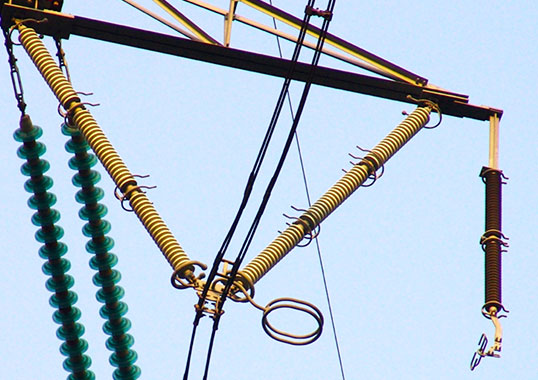
- Overvoltage protection from lightning surges—surge arresters clamp transient overvoltages to a safe residual voltage level. They also divert surge current to ground and prevent dielectric breakdown of transformers and inverters.
- Switching surge mitigation—BESS plants perform capacitor bank switching, transformer energization, and inverter synchronization. Line surge arresters absorb switching surges, protect power electronics, and reduce insulation aging in medium- and high-voltage equipment.
- Protection of power electronics—surge arresters limit peak voltage in converter modules, reduce risk of catastrophic inverter failure, and protect DC-link and AC coupling interfaces.
- Transformer and substation asset protection—line surge arresters serve at transformer HV bushings, line entrances, and feeder exits. The surge arresters prevent insulation puncture, reduce partial discharge events, and extend transformer operational life.
Impacts on the market and system from the development of BESS projects in Chile.
The advancement of battery energy storage systems in Chile has a significant impact on energy markets and the functioning power system. BESS allows for increased integration of renewables, decreases curtailment, and lessens volatility. These effects encompass:
- Improved grid adaptability and renewable incorporation—BESS projects ease energy time-shifting by capturing surplus generation during periods of low demand. They cut renewable curtailment and enhance the financial worth of solar and wind initiatives.
- Price volatility reduction—extensive storage reduces short-term price surges by supplying stored energy when spot market prices rise and taking in excess production when prices fall.
- Enhanced grid dependability and robustness—BESS initiatives enhance system reliability by offering dispatch to equilibrate load and generation. They also ensure continuity during transmission delays or line failures.
- Postponement of transmission and distribution investment—BESS can reduce stress on current substations and lower congestion expenses. This leads to economic and environmental advantages in areas with limited grid infrastructure.