
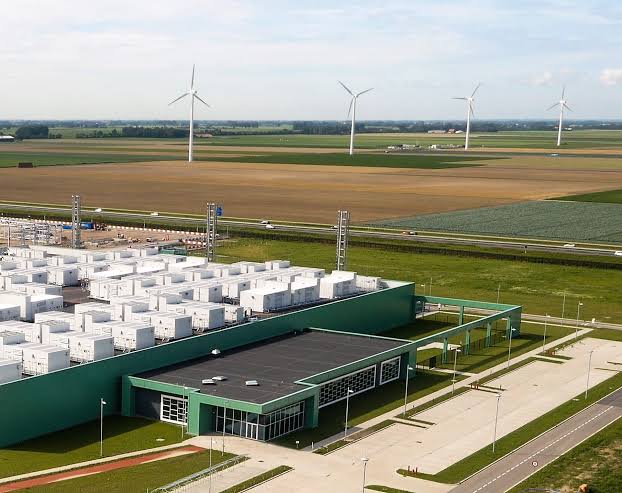
The state of northern Bahia in Brazil has 28 operational wind farms producing energy for the area. The area also contains data centers that consume significant energy. This has resulted in demands to link the data centers to the power grid. Utilizing wind power can ease energy needs while decreasing reliance on fossil fuels like thermal energy. The density of wind farms in the region also presents chances to position electricity-demanding computing facilities near renewable energy sources. The interconnection may also provide the region advantages in drawing AI, cloud-computing, and digital infrastructure firms looking for renewable electricity access. To ensure an ongoing energy supply, the initiative would integrate wind farms, grid connections, battery energy storage systems, uninterruptible power supplies, backup generation, and sophisticated energy management systems. The interconnection depends on strong hardware like polymer surge arresters. These arresters safeguard delicate electronic devices in wind turbines and data centers from harm.
Polymer-housed surge arresters consist of high-energy handling capabilities to absorb and dissipate the massive energy from a direct lightning strike without failing. These arresters have a silicone rubber housing that is lightweight, hydrophobic, and highly resistant to environmental stresses. Data centers contain several servers, storage devices, and networking hardware sensitive to voltage fluctuations. Additionally, the fluctuating power demand of modern AI data centers creates an extra layer of stress on the electrical infrastructure. Therefore, using high-quality arresters protects the equipment from overvoltages before they reach sensitive IT equipment. They are crucial to protect wind turbines and the connected data center network.
Quality assurance for polymer surge arresters in wind turbine infrastructure for data centers
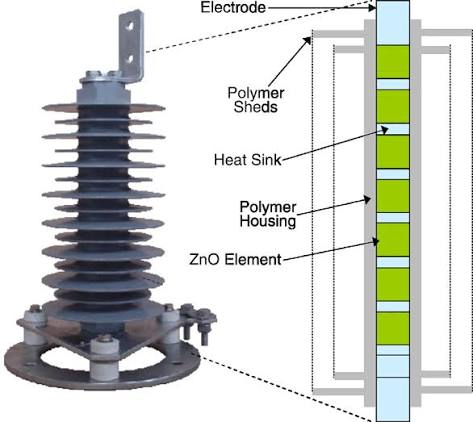
Quality assurance for polymer surge arresters is crucial for wind generation for supporting data centers in Brazil. New projects in the region demand several gigawatts of extra power. This increases the importance of reliable generation, transmission, and protection infrastructure. Polymer surge arresters protect wind-turbine electrical equipment and grid connection assets against lightning and switching overvoltages. Quality assurance ensures that the polymer surge arrester has the correct electrical characteristics to divert transient currents safely to ground and limit the voltage reaching protected equipment. Effective QA ensures that arresters have the correct electrical ratings, consistent metal-oxide characteristics, durable polymer housing, and reliable moisture sealing. Additionally, properly tested and correctly installed surge arresters help limit transient overvoltages and reduce the risk of equipment failures and service interruptions.
The importance of polymer surge arresters in wind farm infrastructure supporting data centers
Polyer surge arresters support the wind farms supplying electricity to data centers and other high-availability loads in Brazil. They limit transient overvoltages caused by lightning and switching events and protect wind turbine and grid-connection equipment from insulation failure and electrical damage. Here are the key roles of the surge arresters in the infrastructure.
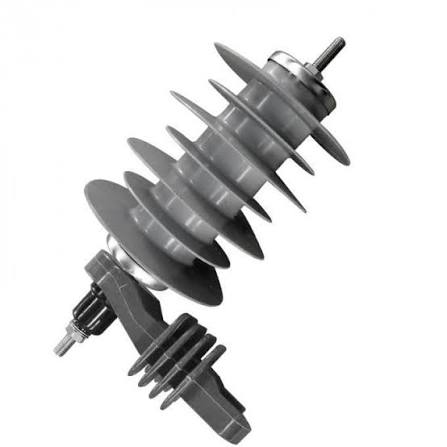
- Protecting wind turbines from lightning surges—wind turbines are exposed to lightning. A lightning strike can generate high transient currents and overvoltages that propagate through the turbine’s electrical system. The arrester provides a controlled path for surge current to ground and limits the voltage appearing in protected equipment.
- Protecting transformer and substation assets—surge arresters help protect transformer windings, switchgear, and other high-voltage equipment against lightning and switching overvoltages.
- Improving reliability for data center power supplies—data centers need high power availability to prevent interruptions. Polymer surge arresters reduce the chances of overvoltage damages.
- Improving performance in Brazil’s environments—most of the projects are in the northwest, where wind farms face high temperatures and humidity. Polymer surge arresters can handle the environmental conditions due to their hydrophobic polymer surfaces.
Technologies connecting data centers, BESS, and the grid with wind farms
The combination of wind farms, electricity grids, BESS, and data centers requires more than just a physical transmission link. The link relies on synchronized power electronics, safeguarding systems, communication, forecasting, and energy-management technologies that can handle fluctuating renewable generation. This is accompanied by upholding the high quality and reliability standards anticipated by data centers. These advancements encompass:
- Wind turbines and wind-farm collection setups—contemporary wind turbines consist of power converters, medium-voltage wiring, switchgear, protective relays, and SCADA systems.
- High-voltage transmission framework—the network comprises high-voltage power lines, transformers, circuit breakers, disconnect switches, surge arresters, and substations.
- Grid-forming inverters—grid-forming BESS can deliver rapid frequency response, voltage stability, enhanced fault recovery, and better integration of inverter-based renewable energy sources.
- Power management systems—the energy management system integrated the wind farm, BESS, grid connection, and data center requirements. UPS and power-quality systems—data centers need reliable electricity. The consistent power supply is provided by UPS systems, automatic transfer switches, static transfer switches, voltage regulation, and surge protection.