
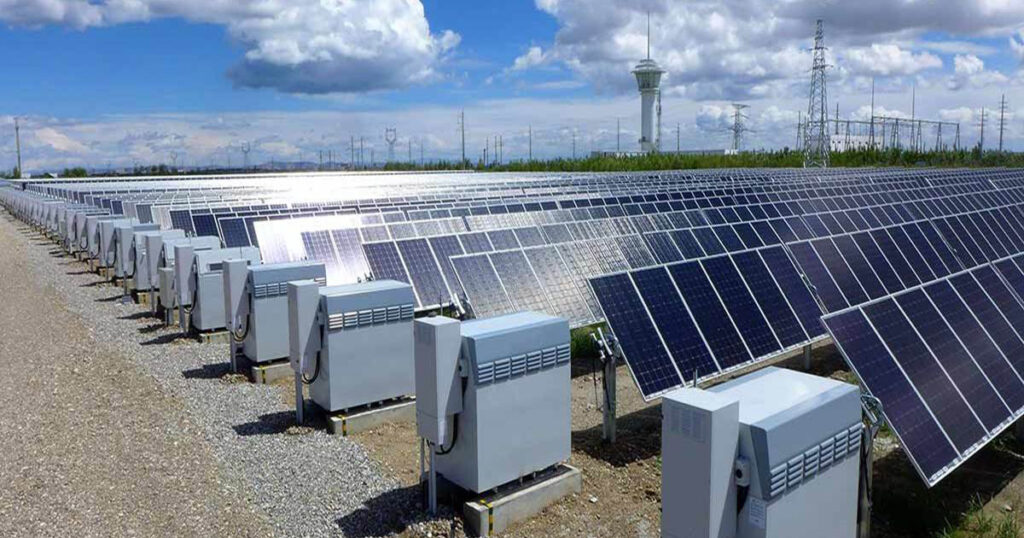
There are continued investments in the deployment of solar PV, onshore and offshore wind turbines, and battery storage technologies. There is also the rapid development of new energy management and control technologies like smart meters and programmable energy use devices. With increasing grid instability in Venezuela, the country provides solutions to help prevent blackouts. It also helps store excess energy generated during the day and release it when needed. This is crucial for load balancing in remote areas, stabilizing voltage and frequency, and ensuring power reliability. Venezuela is still in the early stages of BESS deployment but has significant potential for development. Key opportunities include donor-funded pilot projects, public-private partnerships, training programs, integration of BESS in solar farms, and using blockchain-based energy trading systems. A secondary clevis serves in auxiliary connections, grounding, or lower-current busbar links in battery racks and power distribution systems.
Secondary clevises ensure low-resistance and vibration-resistant connections in areas with unstable grids. The clevis allows flexible assembly and disassembly of battery racks useful in solar PV and storage systems. A secondary clevis supports containerized BESS solutions common in off-grid or industrial applications. Venezuela’s tropical climate demands corrosion-resistant clevises to help maintain structural integrity in remote solar microgrids. The clevis ensures stable electrical connections despite voltage fluctuations. A secondary clevis is replaceable to reduce downtime in case of wear and tear. Additionally, it helps integrate battery energy storage systems with existing diesel generators in off-grid areas. A secondary clevis ensures secure electrical connections, safety, and modularity. This makes them crucial components in ensuring the reliability of solar and storage projects in Venezuela.
Roles of secondary clevis in BESS and solar PV development in Venezuela
Strengthening Venezuela’s fragile power infrastructure through solar PV and battery energy storage systems demands mechanical hardware. A secondary clevis is a type of connector used in electrical and structural assemblies. It is a forged metal fitting used in overhead transmission and distribution systems. The clevis connects insulator strings to crossarms, poles, or other hardware that allows flexible movement while ensuring mechanical and electrical integrity. In solar PV and BESS applications, the clevises secure insulators and provide a mechanical link between dead-end insulators and support structures. They also maintain alignment and mechanical strength in outdoor switchgear and substation equipment. Here are the roles of BESS and solar PV infrastructure in Venezuela.
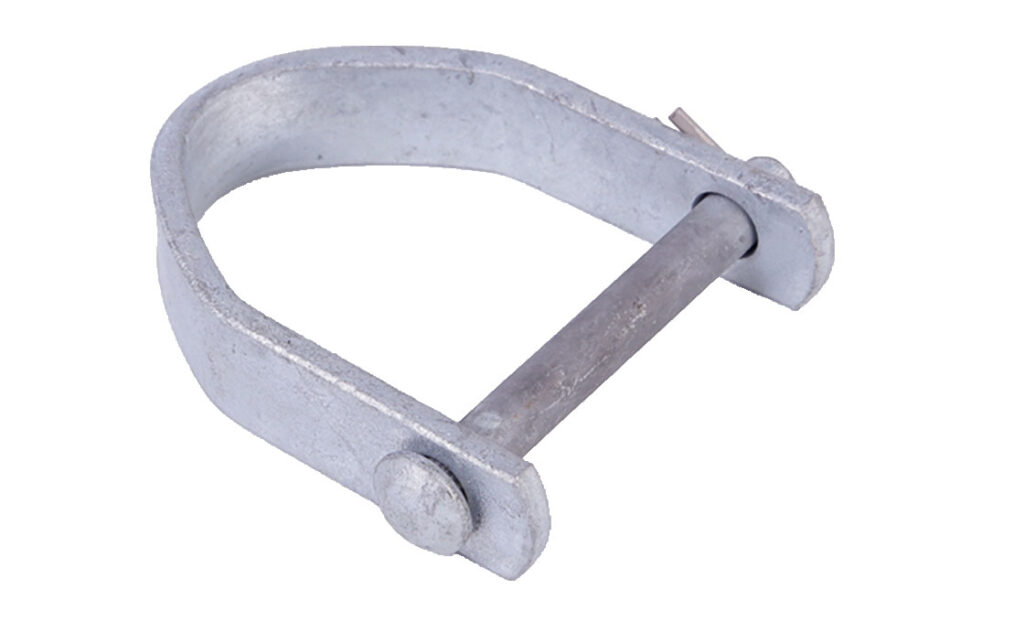
- Support for interconnection infrastructure—BESS and solar PV systems must connect to mini-grids, hybrid microgrids, and the national grid. A secondary clevis secures insulator hardware for power lines connecting BESS or solar inverters. They ensure mechanical flexibility in mounting insulators that bridge between rigid and moving parts.
- Enhancing durability in harsh conditions—secondary clevises are hot-dip galvanized or stainless steel, which makes them suitable for long-term outdoor use. They ensure long-lasting support for solar PV mounting structures and transmission links.
- Integration of hybrid systems—proper electrical connections must be safe, secure, and adaptable. A secondary clevis helps support insulators where lines from different systems converge. They also help maintain physical separation and secure connections across differently energized lines.
- Support during grid modernization—retrofits involving solar farms and BESS need components like secondary clevises. Their flexibility allows compatibility with existing utility poles and tower designs. They also allow mechanical integration during phased or modular grid upgrades.
Technical benefits of integrating BESS and solar PV projects in Venezuela’s energy sector
Venezuela’s power sector suffers from overdependence on hydropower, chronic blackouts, and under-maintained transmission lines. Integrating battery energy storage systems with solar PV projects presents a needed technical solution. This integration delivers real-time technical benefits that improve power quality, reliability, and efficiency across the energy sector. These benefits include:
- Grid stabilization and frequency regulation—solar PV systems generate variable power depending on sunlight conditions. BESS provides real-time frequency support by absorbing or injecting power as needed.
- Load shifting and peak demand management—this integration reduces load stress on hydroelectric plants and thermal stations. It also prevents forced load shedding and blackouts and flattens demand curves for more stable grid performance.
- Voltage support and reactive power compensation—BESS can provide reactive power and voltage regulation to maintain power quality. The integration stabilizes voltage levels, reduces technical losses from line overloads, and improves performance of existing transformers and substations.
- Infrastructure optimization—BESS and solar PV integration allows for decentralized energy systems that reduce the need for costly infrastructure upgrades. This reduces investment in new transmission lines and enhances power availability in remote areas.