
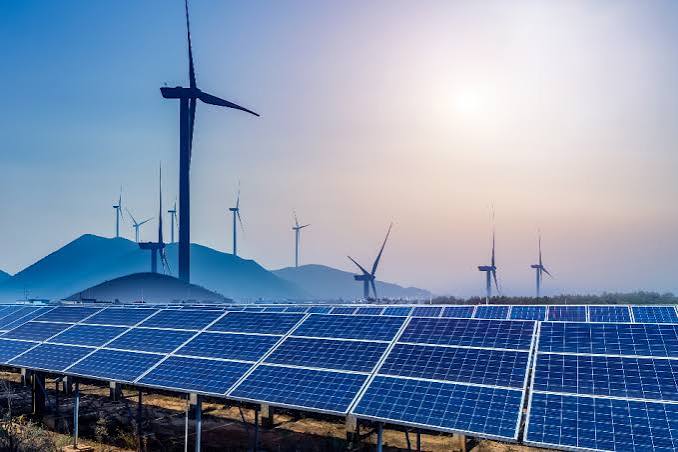
Brazil is implementing strategies to increase its renewable energy sources and move away from fossil fuels. The nation relies on solar, wind, and hydropower. Nonetheless, the shift to renewable energy encounters difficulties as oil and natural gas continue to back transportation, power production, and export income. Brazil must seek methods to enhance clean energy while decreasing its reliance on fossil fuel production and usage. Solar and wind energy resources in Brazil provide extra opportunities to diversify electricity generation and decrease dependence on thermal power plants. The growth generates extra need for transmission infrastructure. It also requires transmission lines that incorporate conductors, standard type C cutouts, suspension clamps, and grounding connectors. Nonetheless, Brazil is boosting renewable energy production while expanding oil extraction offshore. This growth presents an economic difficulty for the transition. Consequently, Brazil must enhance renewable energy while addressing the economic and infrastructure impacts of decreasing reliance on fossil fuels.
Brazil must expand its transmission network to connect new generation capacity to industrial centers and distribution networks. The standard type C cutout protects transformers and capacitor banks from overcurrents. Its compatibility with modern grids makes it crucial for integrating distributed renewable energy sources. Cutouts also allow operators to isolate specific line sections for maintenance. Renewable energy utilities use cutouts in coordination with upstream reclosers and breakers. This ensures that a fault on a single renewable generator only blows the local cutout. The cutout provides reliable fault protection, visible isolation, and manual sectionalizing. This supports the operational flexibility and safety needed for a grid with increasing amounts of distributed and variable renewable generation.
Quality assurance for standard type C cutouts used in energy transition infrastructure
Standard type C cutouts protect transformers and electrical networks against overcurrent and short-circuit faults. They provide a protective link between the distribution network and transformer equipment. Brazil’s renewable energy, solar farms, wind power projects, and BESS demand reliable distribution infrastructure. These installations need electrical protection devices that can withstand changing load conditions and network disturbances. Quality assurance ensures that the cutouts meet the required electrical, mechanical, and environmental performance standards.
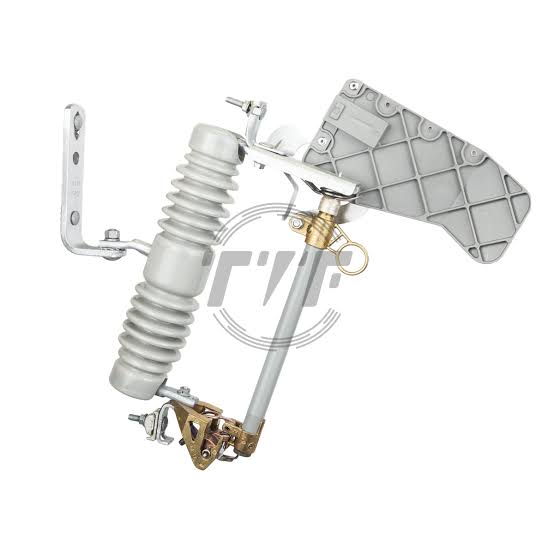
Poor-quality cutouts can cause unnecessary power interruptions, transformer damage, and equipment failure. During the process, manufacturers should verify that every cutout meets its specified dimensions, material properties, electrical ratings, and mechanical requirements. QA confirms material quality, electrical performance, mechanical strength, corrosion resistance, and dimensional inspection. Standard type C cutouts protect distribution transformers and provide a visible means of isolation after fuse operation. Proper QA ensures safer and more dependable electrical distribution infrastructure. This is to ensure the infrastructure can support Brazil’s growing renewable energy sector.
Standard type C cutouts supporting Brazil’s energy transition
Type C cutouts protect distribution transformers and medium-voltage circuits against faults. They isolate faulty transformer connections and help utilities maintain reliable electricity supply. The cutout combine a fuse link, insulating body, fuse holder, and mechanical dropout mechanism. Their key roles include:
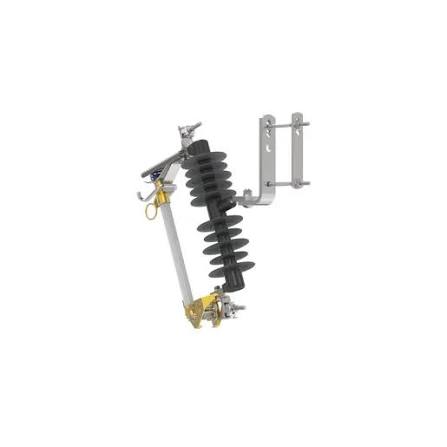
- Protecting distribution transformers in renewable energy projects: transformers face electrical faults caused by insulation deterioration and short circuits. Type C cutouts use rated fuse links to interrupt specified overcurrent conditions.
- Supporting the integration of solar power into distribution networks: standard type C cutouts provide overcurrent protection for suitable transformer circuits.
- Supporting wind power transmission and distribution infrastructure: the cutouts serve as protective devices on suitable medium-voltage distribution transformer connections.
- Improving fault isolation in distribution networks: standard type C cutouts isolate faults affecting protected transformer branches. They help prevent damage from excessive current and limits the duration of specified electrical faults.
Actions backing Brazil’s energy transition objectives
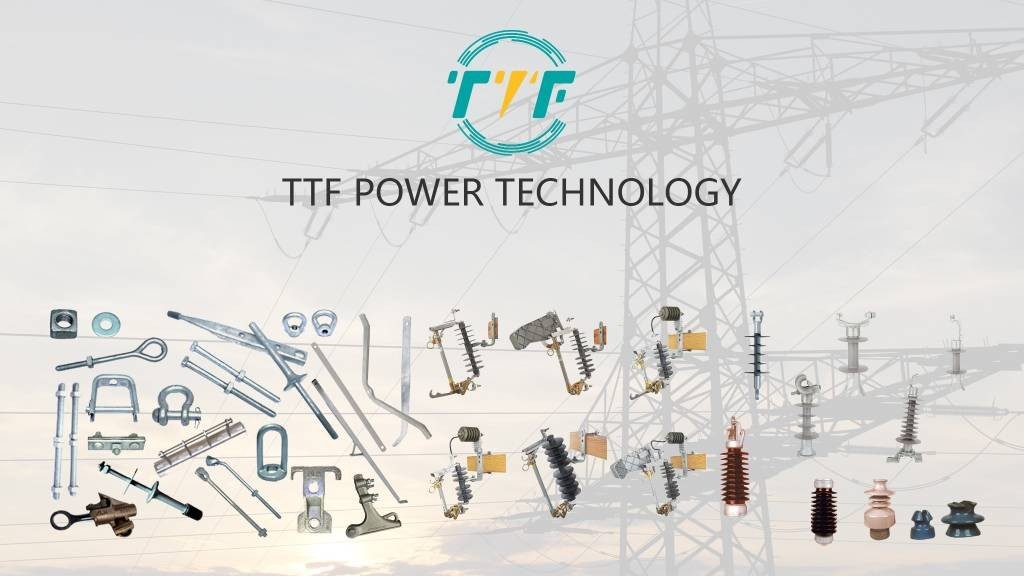
Brazil has the capacity to speed up its shift from fossil fuels to renewable energy sources. The nation produces its energy through hydropower and has increased its wind and solar capabilities. Brazil possesses oil and natural gas, which continue to be vital to its economy. The nation ought to improve policies that lower fuel usage, boost renewable energy investments, and reinforce the infrastructure linking clean energy initiatives to users. The nation can ease renewable energy growth by establishing clear regulations for developers and providing attractive funding options for solar and wind initiatives. This growth will generate a need for transmission towers, conductors, polymer insulators, and suspension clamps. These will enhance distribution systems to support rooftop solar, electric vehicle charging, and other types of decentralized electricity production.