
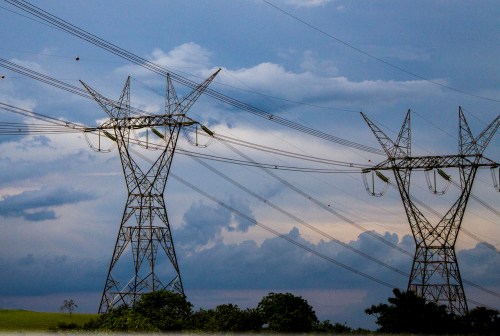
Chile’s power grid expansion strategy enables renewable energy growth, improves electrical transmission and distribution capacity, and modernizes substations to support a reliable power system. The National Energy Commission recently opened the call for stakeholders to submit proposals for electricity transmission expansion projects. The 2026 grid expansion planning process includes major transmission line upgrades to reduce congestion in northern and central regions. It also includes new and upgraded transformer capacity in substations to enable larger power flows from renewable flood zones. There are targeted investments, including upgrades to lines and adding regional interconnections. This will enhance capacity in metropolitan areas to support electrification trends. These trends include mobility and distribution load growth. Grid reinforcements will ease congestion, improve operational flexibility, and support the anticipated influx of solar, wind, and storage projects. High-quality surge arresters secure and support these diverse connections for power grid expansion.
Chile’s grid expansion relies on protective devices such as surge arresters to prevent voltage surges that could cause damages. Surge arresters limit transient overvoltages to safe levels by diverting excess energy to ground. They shield transformers, circuit breakers, generators, and other expensive equipment from insulation failure. The arresters protect sensitive power electronics in solar PV inverters and wind turbine controllers. Station-class arresters protect converter valves from switching surges during HVDC operation. They also prevent backflashovers on towers in high soil resistivity areas. The arresters counteract higher lightning exposure at elevated altitudes. Additionally, they protect aged equipment during grid reconfiguration, provide monitoring data for predictive maintenance, and enable dynamic grid management.
Quality assurance for surge arresters used for power grid expansions
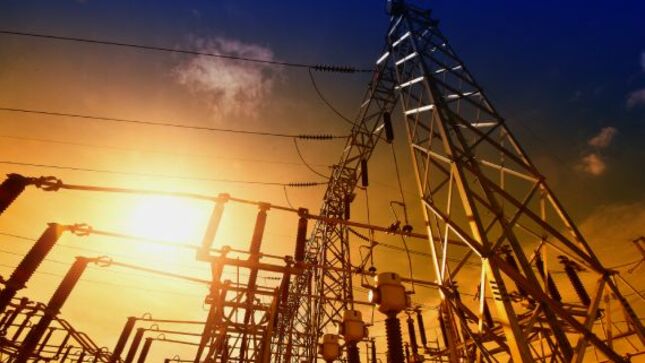
Quality assurance for surge arresters is essential where the system is exposed to lightning, switching surges, and higher fault levels. TTF Certified surge arresters protect high-value assets and safeguard grid reliability. Quality assurance ensures the arresters provide consistent overvoltage protection, withstand harsher electrical and environmental conditions, and prevent catastrophic failures of transformers, switchgear, and insulation systems. The performance of the arresters depends on internal components. Quality assurance validates the consistency and homogeneity of MOV block materials, the mechanical integrity of housings, and the quality of seals, pressure relief, and internal connections. During manufacturing, the arresters undergo a QA process that includes controlled sintering and aging of MOV blocks, precision assembly to avoid internal voids, and proper bonding and molding of polymer housings to prevent moisture ingress. Quality-assured surge arresters maintain system integrity and long-term operational security.
Functions of surge arresters in Chile’s power grid expansion projects
Surge arresters ensure system reliability, asset protection, and the safe integration of renewable energy. They support the expansion of transmission lines, substations, and distribution networks. It helps to accommodate higher power flows and variable generation. Here are their key functions in the power grid.
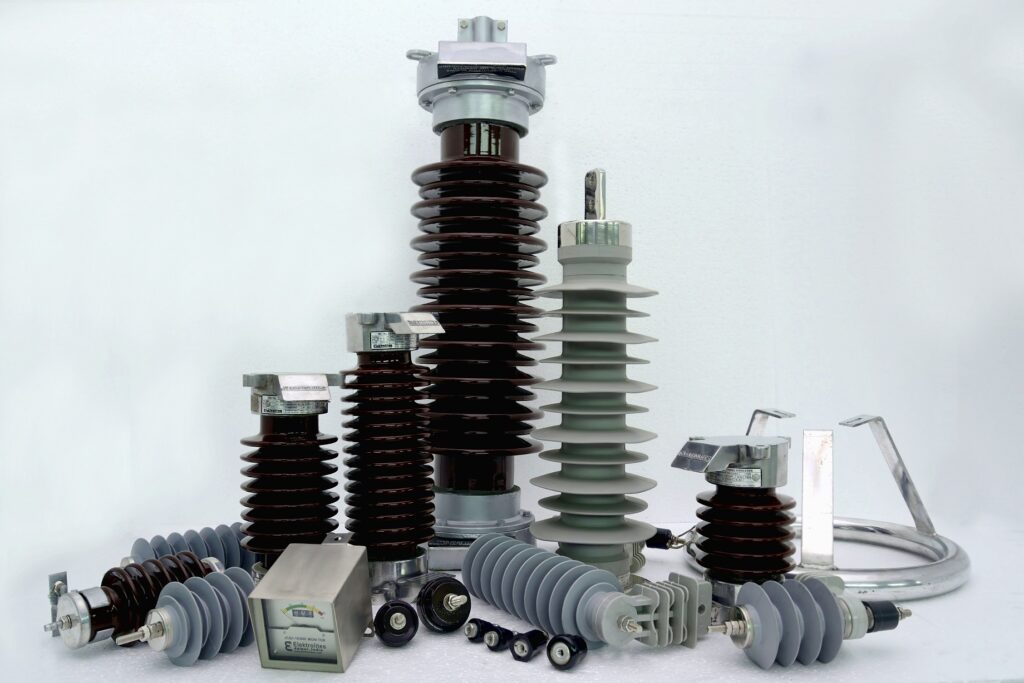
- Protection against lightning overvoltages—surge arresters clamp lightning-induced overvoltages before they exceed equipment insulation limits. They also divert surge energy safely to the ground. They protect transformers, insulators, switchgear, and cables from dielectric breakdown.
- Mitigating switching surges in expanded networks—the arresters limit switching overvoltages generated during line energization, fault clearing, and capacitor switching. They also stabilize voltage stress on critical substation equipment.
- Supporting renewable energy integration—surge arresters protect renewable plant step-up transformers and collector systems. They also protect grid interconnection points subject to frequent switching and variable operating conditions.
- Enhancing substation reliability—quality-assured arresters function at line entrances, transformer terminals, and busbars. They maintain insulation coordination, reduce cumulative electrical stress, and extend the operational life of transformers and breakers.
Requirements for Chile’s 2026 power grid expansion goals
Chile’s power grid expansion goals depend on the need to sustain rapid renewable energy deployment, maintain system reliability, and support long-term decarbonization. Meeting these goals needs a coordinated set of technical, regulatory, financial, and operational requirements that go beyond capacity additions. The key requirements for the expansion include alignment between generation expansion forecasts and network development. It also needs integrated planning of transmission, distribution, and substations. It also includes the transparent and predictable regulatory frameworks to reduce investment risks. Expanding transmission capacity, modernizing substations, reinforcing distribution networks, and embedding system flexibility enables renewable energy growth in Chile. Meeting these requirements will determine how Chile can translate its clean energy goals into a secure, resilient, and future-ready power system.development and