
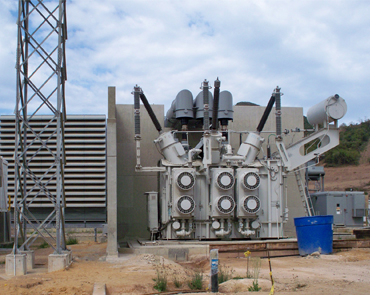
The use of thermoelectric generators is crucial as Venezuela continues to wrestle with a prolonged and complex energy crisis. Thermoelectric generators are often powered by fossil fuels like diesel or gasoline. They bridge the gap between widespread power outages and the growing demand for reliable electricity in both urban and rural settings. Venezuela faces frequent power blackouts from aging infrastructure, lack of maintenance, and overdependence on hydropower. TEGs serve as backup power to keep the lights on in critical facilities to prevent safety risks and economic losses. TEGs help maintain operations when the main grid falls. This is essential for revenue stability and preventing product losses. These generators act as a crucial bridge, providing localized energy where the grid cannot reach. They open opportunities for hybridization with renewable energy sources such as solar panels and microgrids. Shackle insulators ensure safe and reliable electricity transmission in decentralized and improvised power networks.
High-quality insulators prevent short circuits by isolating live wires from supporting structures. They are essential in high-humidity and corrosive environments where moisture and salt can degrade bare conductors. Shackle insulators serve in low-voltage distribution lines to anchor and align wires. They help maintain tension and prevent sagging or breakage due to wind, heat, or load changes. The insulators reduce the risk of electrical fires, which is a major concern in Venezuela’s informal power networks. Shackle insulators protect against accidental contact with live wires. They serve in overhead lines that connect TEGs to homes or businesses when the national grid fails. Shackle insulators are cheaper and easier to install, which makes them practical in an economy with hyperinflation and supply shortages.
Functions of shackle insulators in Venezuela’s TEG use
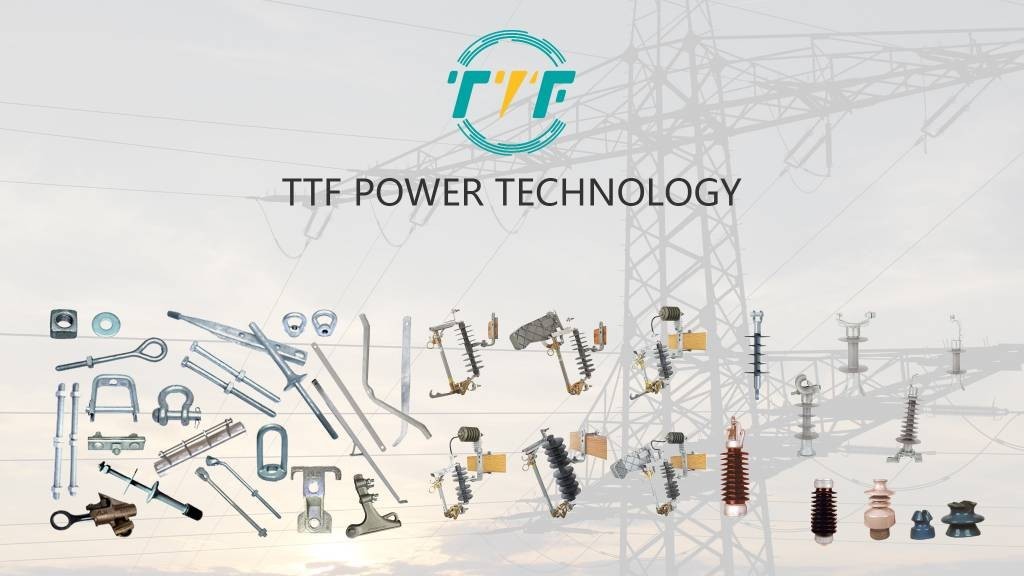
TEGs are increasingly serving in households, businesses, and institutions supporting the energy sector. Shackle insulators ensure the safe and efficient operation of thermoelectric generators in Venezuela’s energy sector. Shackle insulators are electrical insulating devices used in low-voltage power distribution. They are able to secure and insulate power conductors, support cables, and withstand mechanical tension. In TEG setups, shackle insulators serve in low-voltage distribution systems. Here are the roles of shackle insulators in TEG infrastructure.

- Electrical insulation and safety—shackle insulators prevent direct electrical contact between the power conductors and supporting structures. This reduces the risk of short circuits, protects users, and prevents ground faults.
- Securing conductors in confined spaces—shackle insulators allow tight turns and mounting flexibility. They enable conductors to be safely routed around corners, anchored, and suspended.
- Withstanding harsh environmental conditions—shackle insulators are made from porcelain, polymer, or ceramic materials. This helps them resist high humidity and rain, dust, salt, and frequent power cycling.
- Maintaining low-voltage distribution—shackle insulators are ideal for low-voltage power lines. This makes them ideal for connecting TEGs to homes, small generator-powered microgrids, and local lighting. They help keep power lines stable and organized in informal systems.
- Enabling quick installation and repairs—shackle insulators are easy to install on wood, metal, and concrete. They allow reliable cable anchoring without specialized equipment and support quick restoration of power during blackouts.
Measures and strategies mitigating the use of TEGs in Venezuela
Mitigating the continued use of thermoelectric generators in Venezuela could help reduce significant risks. These risks include economic, environmental, and health risks. The country aims to phase them out responsibly by providing sustainable and affordable alternatives. Mitigation is urgent due to the high fuel consumption, noise and air pollution, rising energy inequality, delayed progress toward renewables, and strain on oil infrastructure. The key measures and strategies for this include:
- Expanding solar energy access—promoting solar PV kits and community solar systems helps reduce reliance on TEGs and provides a clean power source. This can be through tax exemptions, PPAs, and training local technicians for solar maintenance.
- Deploying microgrids and hybrid energy systems—this includes investing in solar-diesel hybrid microgrids that can reduce TEG dependence. It helps balance reliability with sustainability and serves in small towns. The strategy includes targeting blackout-prone zones, using smart meters, and using load management systems.
- Subsidize BESS—introducing incentive programs for home-scale or community-scale BESS helps store solar energy. This reduces the need for constant generator runtime, improves energy reliability, and encourages off-peak load balancing.
- Regulate fuel use and generator sales—tightening fuel distribution controls and regulating TEG imports and sales reduces overuse and abuse. This helps reduce smuggling and encourage users to shift toward sustainable solutions.