
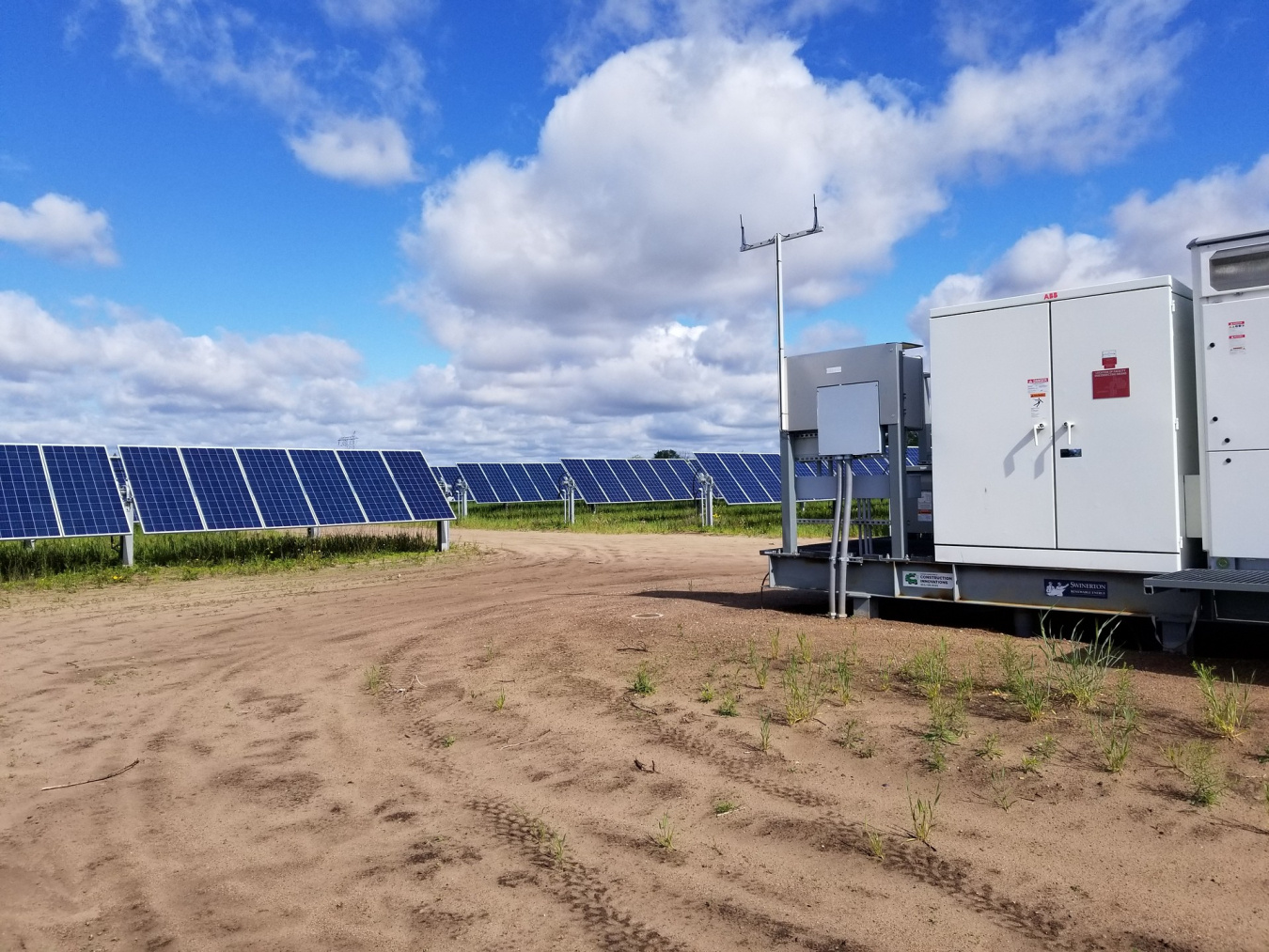
Venezuela’s power grid has faced persistent reliability problems in recent years caused by various factors. These encompass excessive reliance on hydroelectric energy, outdated infrastructure, poor management, corruption, and insufficient upkeep. Utilizing solar energy can tackle many issues by decreasing the dependence on these resources. Solar energy can enhance the reliability of Venezuela’s power grid by diversifying energy sources, lowering blackout risks, and facilitating decentralized generation. Its extensive implementation requires policy backing, financial investment, and participation from the private sector to address economic and logistical challenges. Solar panels may be installed on rooftops, homes in rural areas, and community facilities. This decreases reliance on the overloaded national grid and minimizes losses from long-distance transmission. Combining solar power with battery storage systems can assist in lowering national grid outages. Line guards use yoke plates to enhance grid stability and cut power interruptions.
Venezuela faces extreme weather including heavy rains, high humidity, and strong winds that can damage poorly secured solar panels. Line guards reinforce overhead power lines to prevent abrasion, fatigue and galloping. Using the guards help reduce faults that lead to blackouts. Line guards enhance mechanical strength with yoke plates to reinforce utility poles and crossarms. This helps prevent bending or collapse due to storms or high winds. Line guards also dampen aeolian vibration, which can lead to conductor fatigue and breakage over time. Venezuela faces power theft through illegal hookups that overload the grid. Due to this, line guards can have tamper-resistant features that make unauthorized access harder and improve load management. These components provide a low-cost, immediate solution to reinforce existing infrastructure.
Improving Venezuela’s grid reliability using line guards
Aging infrastructure in Venezuela causes frequent power outages. Line guards protect critical parts of the grid, helping stabilize electricity supply. It also helps support the country’s broader efforts to rebuild its energy sector. A line guard is a protective device installed on the conductor near suspension or strain hardware. Their function is to prevent conductor wear from vibration, reduce the risk of arcing, and reduce damage caused by wildlife. Here are the roles of line guards in solar power infrastructure in Venezuela.
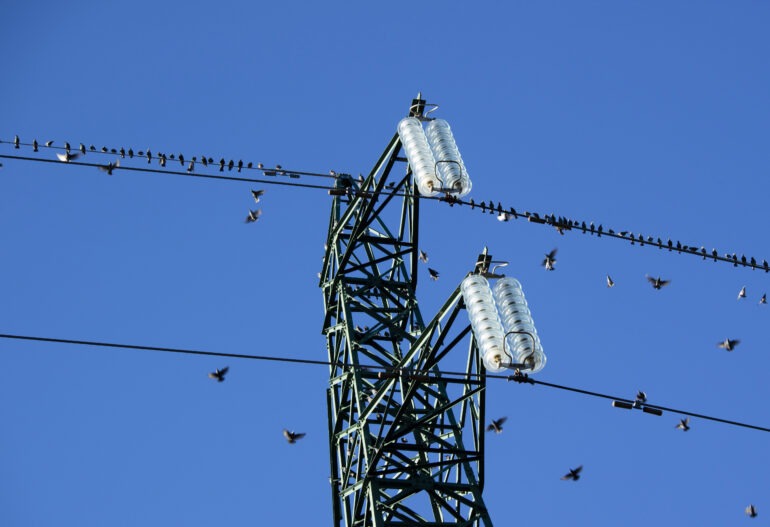
- Mitigating mechanical fatigue and line breakages – line guards absorb and redistribute mechanical stress near suspension points. They reduce the likelihood of conductor breakages that trigger blackouts.
- Preventing conductor damage – suspension clamps cause wear on conductors due to micro movement and vibration. Line guards act as a buffer, shielding the conductor from direct metal-to-metal contact.
- Enhancing safety and reducing outages – electrical faults caused by wildlife causes power outages. Using line guards helps insulate conductor sections and prevent short circuits. This is crucial in reducing maintenance interventions in Venezuelan grid system.
- Supporting renewable energy integration – line guards help maintain the stability of the transmission lines carrying renewable energy from generation points to the main grid. This ensures clean power is efficiently delivered without interruption.
Solar power plants enhancing grid stability in Venezuela.
The grid experiences frequent and extended power outages, excessive reliance on hydropower, inadequate maintenance of transmission systems, fuel shortages, and minimal diversification of energy sources. These issues result in citizens lacking reliable electricity, impacting healthcare, education, industry, and economic recovery. Solar farms offer a clean, decentralized, and robust option to the strained power grid in Venezuela. The following are the highlight of how solar farms contribute to enhancing grid reliability.
- Expanding energy sources – solar farms present a distinct and supportive energy alternative. This contributes to reducing the grid’s susceptibility to single-point failures.
- Lowering strain on centralized systems – solar farms situated close to demand areas ease the burden on extensive transmission lines. This minimizes energy losses and avoids cascading failures that can result in countrywide blackouts.
- Facilitating microgrids and decentralized energy access – solar installations allow for independent microgrids. The systems can function alone or link to the main grid when accessible to enhance reliability. This is vital for farming activities, small enterprises, educational institutions, and water distribution networks.
- Stabilizing Voltage and frequency fluctuations – contemporary solar farms use intelligent inverters and energy management systems. The systems guarantee that voltage fluctuations are managed effectively, assist in frequency regulation, and quickly react to demand variations.
- Combining solar farms with energy storage systems allows for power supply even on overcast days and nighttime. This guarantees continuous energy provision and minimizes blackout risk to prevent interruptions.