
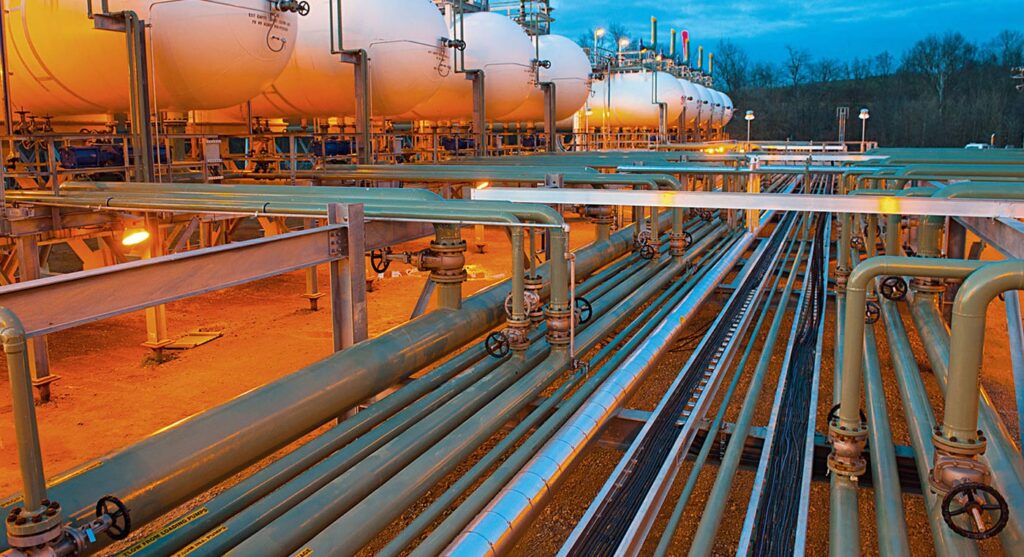
Natural gas production in Venezuela is modest compared to its vast oil reserves. Venezuela has the largest proven natural gas reserves in the world, with an estimation at around 200 trillion cubic feet. Most of these reserves link to oil production in the Orinoco and offshore fields. This means natural gas is produced alongside crude oil, which makes gas production dependent on oil field activity. The majority of gas production is concentrated in the eastern part of the country. This is especially in the Anaco Basin, Mariscal Sucre, and Delta Caribe Oriental region. Natural gas fuels thermal power plants, which help during power crises. A large portion of the gas is re-injected to maintain oil pressure or is flared due to lack of infrastructure. Natural gas production demands robust infrastructure such as pipelines, processing plants, and distribution networks. C-span pipe clamps ensure the safety and stability of pipelines.
C-span clamps anchor and support high-pressure natural gas pipelines to prevent sagging, vibrations, and misalignment. They distribute mechanical loads such as weight, thermal expansion, and pressure surges to avoid pipe stress failures. Venezuela has seismic zones that may disrupt natural gas production and distribution. C-Span pipe clamps help stabilize pipelines during tremors. Gas compression stations and pumping equipment generate vibrations that demand stability from the clamps. The clamps must also be from high-quality materials to resist rust in humid, coastal, or industrial environments. Corrosion-resistant clamps prevent galvanic corrosion where dissimilar metals meet. C-Span pipe clamps integrate with Unistrut-type channels for flexible, adjustable pipeline routing in gas plants, refineries, and compressor stations. The clamps allow for quick disassembly and reconfiguration during repairs or upgrades.
C-Span pipe clamps in natural gas production and distribution
Natural gas production and distribution in Venezuela demands safety, reliability, and efficiency in various environments. C-Span pipe clamps help maintain the structural integrity of pipelines, reduce vibration, and prevent leaks in both onshore and offshore gas operations. C-Span pipe clamps are robust mechanical fittings designed to secure pipelines to support structures. They help stabilize pipe joints under mechanical stress. They are also designed to handle high-pressure and high-temperature environments. Here are the roles of the clamps in the production and distribution of natural gas.
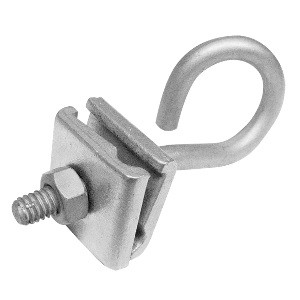
- Structural support for pipelines—C-Span pipe clamps anchor pipes to walls, ceilings, or frames, prevent unwanted movement, and maintain proper alignment during operation. They help ensure the pipes do not sag, shift, or rupture due to gravity, thermal expansion, or external forces.
- Vibration and shock absorption—gas pipelines are subject to vibrations caused by compressors, flow turbulence, and environmental factors. C-Span clamps pair with damping systems to absorb vibrations and prevent metal fatigue, weld cracking, or joint loosening.
- Corrosion prevention and safety – fabricated corrosion-resistant clamps act as barriers between the pipe and support surface. They also prevent galvanic corrosion and maintain mechanical integrity under corrosive exposure.
- Ease of maintenance and inspections—C-span clamps are adjustable to allow easier pipe removal, faster component replacement, and minimal downtime in production. The clamps contribute to operational efficiency and compliance with safety standards.
- Supporting high-pressure and high-temperature systems—C-span pipe clamps are able to handle dynamic loads, resist thermal expansion and contraction, and maintain pipe alignment and pressure integrity.
Infrastructural technologies supporting Venezuela’s natural gas production and distribution
Venezuela has infrastructural technologies that support its natural gas production, processing, transportation, and distribution. These technologies support the gas value chain and are crucial in energy security, industrial development, and export potential. The key technologies include:
- Gas gathering and processing facilities—this includes slug catchers and separators, amine gas treating units, dehydration units, and cryogenic processing.
- Pipeline infrastructure—this includes high-pressure transmission pipelines, compressor stations, SCADA systems, and smart pigging tools.
- Storage and distribution terminals—key technologies include underground storage fields, pressurized cylinders, and city gate stations to regulate pressure before delivery.
- Power generation infrastructure—the technologies used include open and combined cycle gas turbines, heat recovery steam generators, and gas conditioning units. They ensure the fuel gas meets turbine pressure, temperature, and cleanliness.
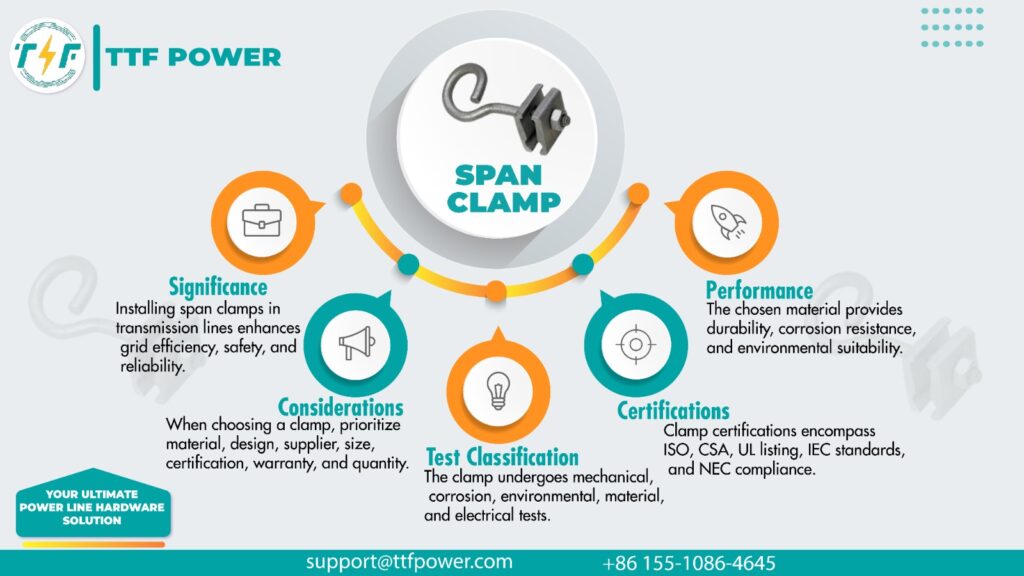
- Mechanical support systems—C-Span pipe clamps secure gas pipelines to prevent vibrations and misalignment. The supporting technologies include reinforcing plates, insulator fittings, line guards, and stay rods.
- Offshore and cross-border infrastructure—key technologies include subsea pipelines, floating production systems, and cross-border integration for export.