
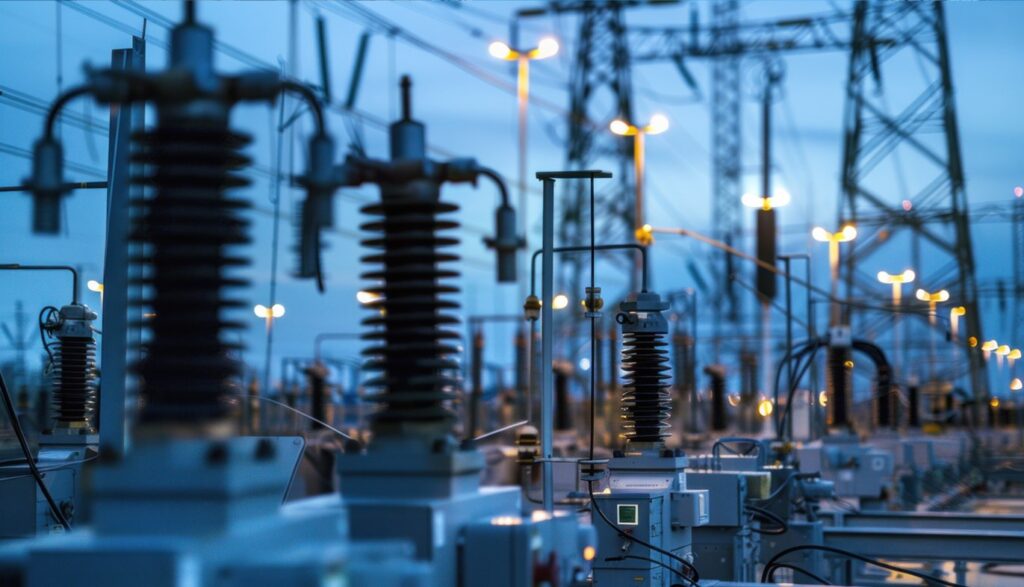
Energy investments in Venezuela are key to transforming Venezuela’s energy sector from a state of decline to one of recovery and sustainable growth. The country has massive oil, gas, and renewable energy potential. These strategic and well-channeled investments serve as the engine for boosting production, modernizing infrastructure, and unlocking long-term economic stability. Energy investments rehabilitate refineries, pipelines, and power plants that enable increased production capacity. The investments also fund the restoration of the national grid, reduce frequent blackouts, and power rationing. It also supports the modernization of oil extraction technologies. Infrastructure revitalization restores operational efficiency and builds investor confidence. Investments finance upstream oil and gas projects, support expansion of natural gas production, and enable the use of enhanced oil recovery. Higher production boosts domestic energy security and creates space for national recovery. Spiral vibration dampers (SVDs) maintain the reliability and longevity of overhead power transmission lines.
High-quality dampers are essential components for Venezuela’s oil and gas operations, electricity distribution, and energy investments. Spiral vibration dampers protect power infrastructure and ensure a stable electricity supply. Venezuela’s national grid suffers from chronic blackouts due to aging and poorly maintained transmission lines. SVDs help prevent conductor fatigue and reduce outages that disrupt oil pumping, refining, and gas processing. Oil extraction needs electric submersible pumps and other high-load equipment. The dampers reduce vibration-induced failures that can halt production. Properly damped lines last longer and improve return on investment on infrastructure. Venezuela has investment opportunities in upgrading old transmission lines with new dampers and developing corrosion-resistant SVDs. Investing in high-quality dampers and maintenance services could reduce frequent power failures and reliance on electricity for oil production.
Role of spiral vibration dampers in infrastructure supporting energy investments
Spiral vibration dampers are crucial in overhead transmission and distribution systems in Venezuela. The dampers play a crucial role in protecting power lines, extending equipment lifespan, and ensuring grid stability. This is crucial in Venezuela as it undergoes critical upgrades to support new investments. Spiral vibration dampers are helical devices made from high-strength, corrosion-resistant materials. They wrap around overhead conductors or guy wires to absorb and dissipate aeolian vibrations. Its functions include:
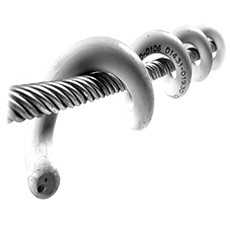
- Protecting high-voltage transmission lines—it is crucial to upgrade long-span high-voltage lines to revive electricity exports. Spiral vibration dampers prevent conductor fatigue, reduce wear at suspension clamps, and protect conductors during high wind events.
- Extending the lifespan of insulator and conductor systems—mechanical stress from vibration speeds up the degradation of insulators, compression joints, and conductor armor rods. Installing dampers makes these components last longer for grid upgrades.
- Enhancing grid resilience—spiral dampers absorb sudden dynamic stresses, prevent conductor galloping, and prevent cable damage. They also provide passive protection without requiring external power.
- Supporting renewable energy expansion—spiral vibration dampers protect interconnecting lines that deliver renewable power to substations. They also reduce the risk of mechanical failure in lightweight conductor systems in rural microgrids.
Key limitations to energy investments in Venezuela
Venezuela has immense energy resources, including oil reserves, natural gas fields, and abundant hydropower potential. The country faces various obstacles that discourage both domestic and foreign investments in its energy sector. To reach its full potential, the country should master comprehensive reforms, international engagement, and a commitment to transparency and modernization. These limitations are as follows:
- Economic sanctions and financial isolation—international sanctions restrict Venezuela’s ability to engage in global energy markets. This limits access to international financing, equipment, and technology. It leads to restrictions on foreign firms investing in PDVSA and reduces the country’s capacity to attract capital, modernize infrastructure, and boost production.
- Aging and deteriorating infrastructure—Venezuela’s energy infrastructure is obsolete and poorly maintained. Refineries are operating at a fraction of their capacity. High rehabilitation costs discourage investors, and many projects are deemed unprofitable without upgrades.
- Lack of transparency—there is corruption in bidding processes, unreliable data on energy reserves, production, and consumption, and diversion of funds.
- Hyperinflation and currency instability—price volatility makes it hard to structure profitable, long-term energy deals, capital controls and restrictions, and domestic energy pricing is heavily subsidized.
- Unreliable power supply—unreliable electricity impacts refineries and oil field operations, grid-connected renewable energy projects, and industrial development tied to energy production.
- Political instability—lack of political continuity discourages long-term investment planning, frequent changes in policy and unclear frameworks, and limited separation between state and industry.