
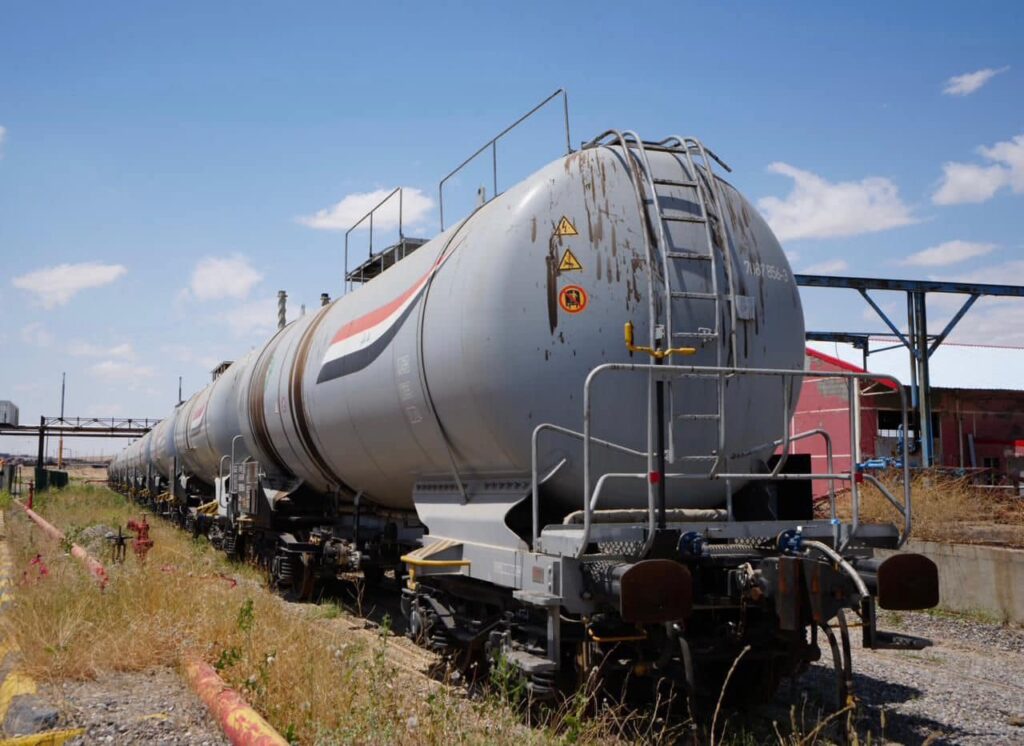
Venezuela’s PDVSA is preparing to restart operations at its joint ventures under conditions akin to Biden-era permits. The OPEC nation has maintained production at approximately 1 million barrels daily recently. Foreign partners such as Chevron may soon resume production, trade via a swap mechanism, and import vital inputs under conditions resembling those provided during the Biden administration. The restoration could influence Venezuela’s faltering energy sector. The return of international partners signifies the availability of maintenance tools, solvents, and an expert workforce. These are essential for enhancing pipeline, refinery, and storage systems. Swap agreements would enable Venezuela to bring in refined fuels, alleviating blackouts and fuel deficits in remote regions. PDVSA and its associates can compensate suppliers, contractors, and finance operations to assist in stabilizing the sector economically. Guy clamps are essential for ensuring the stability and structural strength of power transmission towers.
Venezuela’s power grids and oil field electrical systems depend on tall transmission towers. These towers need guy wires to prevent collapse due to wind, soil instability, or mechanical stress. Guy clamps secure these support cables to anchors or the tower to ensure they remain functional. PDVSA’s energy recovery efforts include reinforcing transmission lines. Guy clamps prevent tower collapses that could disrupt electricity to oil fields, refineries, and pumping stations. Power failures can stop extraction and pumping operations. Quick deployment of guy clamps helps stabilize damaged towers to allow faster restoration of power to oil infrastructure. Properly installed guy clamps help distribute tension loads to reduce the risk of failures.
Roles of guy clamps in PDVSA’s energy operations
Guy clamps maintain the stability, safety, and performance of energy infrastructure. PDVSA depends on extensive overhead transmission, drilling rigs, and pipeline network systems. These systems demand secure anchoring and tensioning solutions in challenging environments. Guy clamps enhance the mechanical reliability of energy infrastructure, provide safety under tension, and ensure continuity of operations. Their use helps PDVSA maintain Venezuela’s power and petroleum networks amid aging infrastructure. The following are the common functions of guy clamps in resuming oil operations in Venezuela.
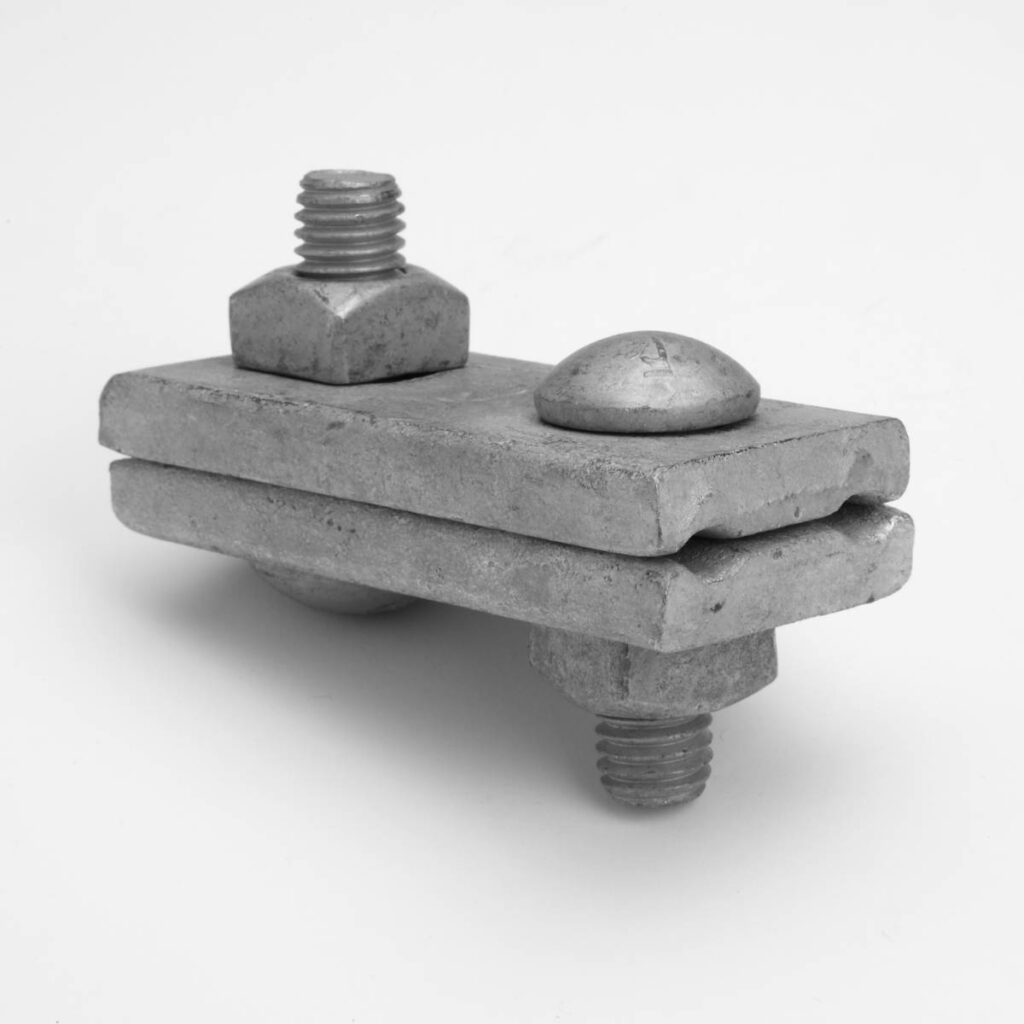
- Structural stabilization of transmission lines—high-voltage transmission lines distribute electricity from oil refineries, power stations, and pumping facilities. Guy clamps secure guy wires and maintain mechanical balance and vertical alignment of poles and towers under stress. They also reduce vibration-induced fatigue in metal structures.
- Anchoring for drilling and pumping rigs—guy clamps secure masts and structures of drilling rigs. They help prevent collapse due to drilling-induced vibrations. Guy clamps provide lateral support for pumping units and pipeline supports in loose soils.
- Pipeline infrastructure support—guy clamps aid in bracing pipeline markers and aerial sections of pipelines crossing rivers. They hold warning signage poles and monitoring instruments upright in areas with environmental forces.
- Support during emergency maintenance—guy clamps enable temporary stabilization of emergency structures. They also allow quick deployment of mobile anchoring systems in remote areas.
- Corrosion-resistant safety guy clamps are often made from galvanized steel. This allows them to resist corrosion from salt, rain, and industrial pollutants. They extend the lifespan of structural supports and reduce maintenance costs.
Main effects on oil output in Venezuela’s energy industry
The restarting of oil extraction and refining activities in Venezuela via PDVSA’s partnerships with global collaborators. The advancement signifies a crucial turning point for a country whose energy system has faced years of neglect, restrictions, and poor administration. The subsequent points outline the main effects in the nation.
- Reviving crude oil production—Venezuela possesses the largest proven oil reserves globally but has been functioning under capacity. Rising oil production reestablishes Venezuela’s position in global supply chains and enhances its impact on OPEC+ interactions.
- Reactivating idle refineries leads to enhanced availability of fuel domestically. It alleviates severe shortages that hinder public transport, farming, and everyday activities. They decrease the reliance on costly fuel imports and enhance trade balances.
- The reopening of wells and refining facilities generates employment opportunities in oil-rich states, leading to job creation and industrial recovery. It additionally rejuvenates auxiliary sectors like transportation, maintenance, electrical supply, and equipment production.
- Stabilization of the energy sector—refineries and oil-powered power plants will get refined fuel products. This aids in stabilizing Venezuela’s thermoelectric production, which supports hydroelectric facilities during periods of drought.