
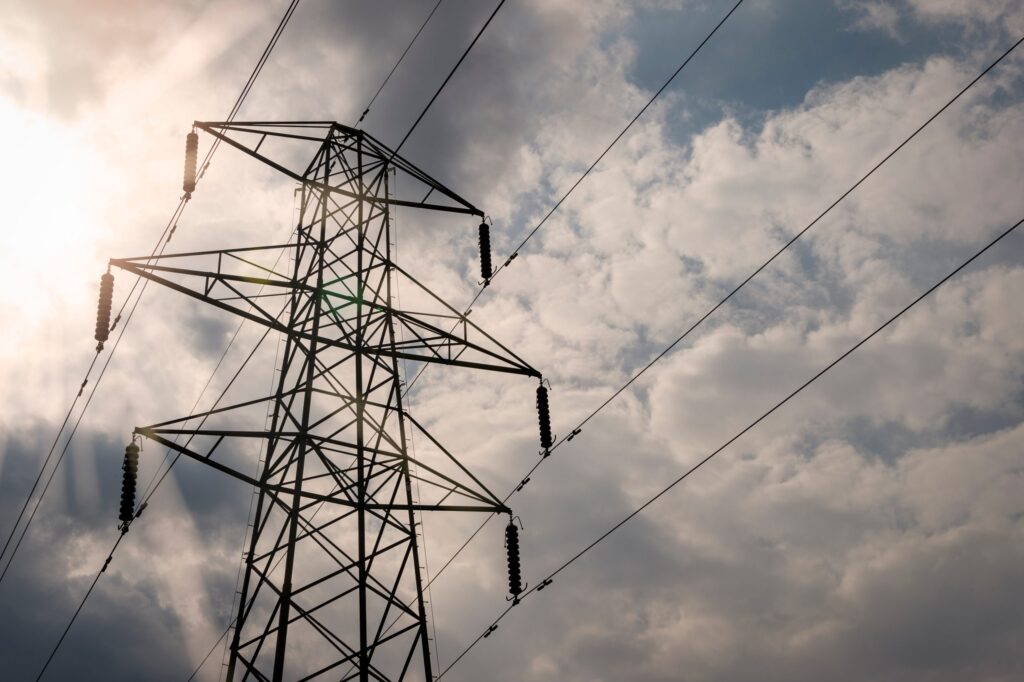
Acciona is delivering a 330 km, 220 kV corridor through Machu Picchu, Quencoro, Onocora, and Tintaya. This project consists of two new substations and three expansions targeting full coverage of Cusco’s demand. The 220 kV corridors move bulk power into regional hubs where it can be stepped down to 138/60 kV. This helps reduce losses and keep voltages within limits during peak mining cycles. The development will also let solar, wind, and SHP connect where resources are strongest. The extra paths and substation injections reduce overloading, voltage sags, and outage frequency in the southern region. The transmission lines also enable electrification of energy-intensive processes and integration with on-site renewables. New transmission lines support digital monitoring like SCADA systems and smart meters. It also helps improve fault detection and energy efficiency. Alley arms play a crucial structural and electrical role in supporting conductors and ensuring safe, reliable power distribution.
Alley arms are essential for Peru’s transmission reliability, adapting to harsh environments while ensuring safety and efficiency. The crossarms hold insulators and conductors in place to maintain proper spacing to prevent electrical arcing. It serves in tangent towers and small-angle deviation towers to distribute mechanical loads. Peru’s diverse geography needs customized alley arm designs with longer arms and reinforced materials. They are made from materials such as galvanized steel and aluminum alloy to resist corrosion in humid areas. Alley arms provide a stable platform for linemen during live-line maintenance and reduce the risk of conductor clashing during storms. They also hold upper and lower conductors to balance resistance. Alley arms are crucial for Peru’s transmission reliability, adapting to harsh environments while ensuring safety and efficiency.
Alley arms in the construction of Peru’s transmission line
An alley arm is a special type of crossarm used on transmission or distribution poles to support conductors on one side of the structure. Steel alley arms are designed to handle high mechanical tension, electrical clearances, and environmental loading. They mount at specific angles to route lines around obstacles, maintain phase spacing, or manage line alignment in congested corridors. This makes them crucial in situations where straight-line tower placement is hard. Alley arms in transmission lines address wind loading, seismic forces, corrosion resistance, and insulator length. Here are the roles of an alley arm in transmission line construction.
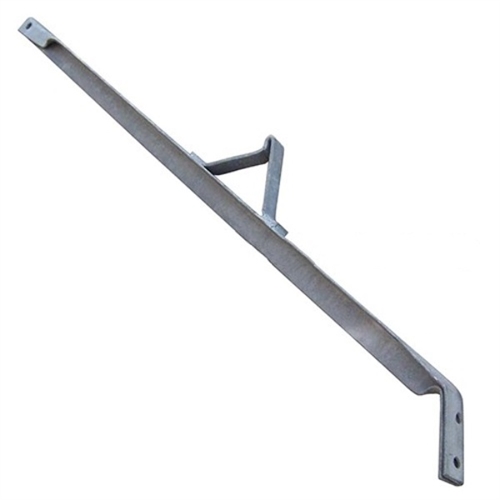
- Routing around obstacles—towers may need to shift the conductor path without altering the main line route. Alley arms allow the conductors to be offset horizontally and enable right-of-way compliance while avoiding land acquisition.
- Maintaining electrical clearances—minimum phase-to-phase and phase-to-ground distances are regulated to prevent arcing. Alley arms in tight corridors keep conductor positions compliant without resorting to extra tower structures.
- Reducing structure count—crews can use an alley arm on an existing tangent or light-angle structure. It helps reduce material costs, foundation work, and construction time in high-altitude zones.
- Integration in substation approaches—in the 220 kV substations, alley arms fan out phases into the correct positions for gantry entry. It does this while maintaining safe working clearances for maintenance crews.
Technologies driving transmission line development in Peru
Peru’s energy sector is undergoing a swift transformation with large-scale projects like the 220 kV expansion. This is aimed at improving grid reliability in regions like Cusco, Arequipa, and Puno. This construction demands advanced technologies that enhance efficiency, safety, and environmental compliance. Common technologies used include:
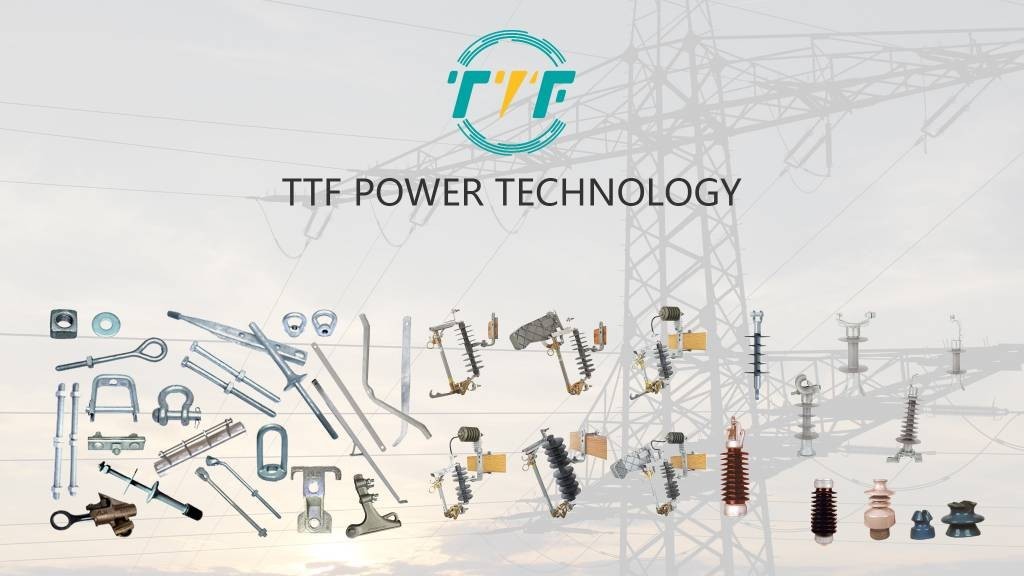
- Tower and structural design technologies—engineers depend on advanced modeling and materials to handle Peru’s extreme conditions. These technologies include finite element analysis, high-strength galvanized steel, and composite crossarms and alley arms.
- Conductor and cable technologies—efficient power transmission at high voltages needs specialized conductors. These are able to withstand mechanical stress and maintain conductivity over long spans. The construction is using AAAC, ACSR, and high-temperature low-sag conductors.
- Insulation and hardware innovations—the reliability of the 220 kV line depends on insulators and fittings that can handle high voltages. It includes the use of composite insulators, polymer housing for arresters, and insulated piercing clamps.
- Construction and stringing technologies—access to construction sites in Peru demands specialized methods and equipment. This includes tension stringing machines, modular tower assembly, and helicopter-assisted tower erection.
- Monitoring and smart grid integration—modern transmission lines in Peru have digital intelligence for real-time performance and maintenance tracking. It demands technologies such as SCADA systems, dynamic line rating, and fiber optic integration.