
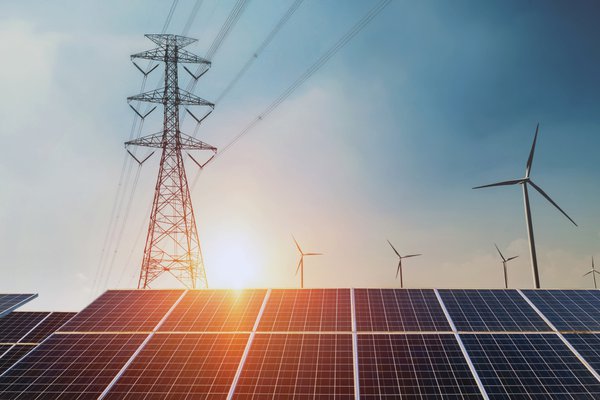
Over the years, Chinese companies have supported the expansion of Argentina’s clean energy infrastructure. This has been through financing and project participation in large projects. Argentina has massive renewable potential with wind in Patagonia, solar in the northwest, and hydro in the Andes. However, renewable-rich areas are far from the urban and industrial demand centers. This makes transmission infrastructure crucial for integrating clean energy into the national grid. Chinese companies and banks offer both financing and construction expertise in large-scale projects, strengthening Argentina’s grid. Key players include State Grid Corporation of China, China Development Bank, and turnkey contracts. These companies support developments for renewable energy integration. Higher renewable energy integration allows the transmission of clean energy to key area consumers. This also helps reduce the use and dependence on fossil fuels. Hotline tap clamps enable safe, reliable, and live connections of new renewable energy sources to the high-voltage grid.
A live-line tap clamp is a specialized connector designed to be installed on a live, high-voltage conductor by linemen using special hot-stick tools. It also allows for safe and secure tapping into the main line to feed power from a new source like wind or solar into the grid. Hotline tap clamps allow the connection on live lines while the line remains energized and operational. This ensures continuity of service for existing customers. The clamps are from materials that resist corrosion and designs that maintain stable, low-resistance electrical connections under high loads. Argentina is upgrading the transmission lines to bring power to the grid from renewable energy sources in remote areas. Hotline tap clamps are key components in the new lines dedicated to plugging into the main arterial transmission lines. They also allow for quick response to growing energy demand.
Functions of hotline tap clamps in Argentina’s renewable grid integration
Hotline tap clamps are key components in transmission and distribution networks where renewable energy is integrated into the main grid. Argentina is adapting to integrate solar from the north and wind from Patagonia. Hotline tap clamps enable energized renewable interconnections, support grid flexibility, and allow safe, efficient maintenance. It also ensures seamless renewable integration into the national transmission network. Hotline tap clamps help Argentina maximize renewable penetration while avoiding interruptions to its growing energy demand. Here are its main functions in renewable energy integration.

- Safe energized connections—hotline tap clamps are able to connect conductors to lines without de-energizing the system. They allow utilities to add new connections efficiently without interrupting the power supply.
- Facilitating renewable interconnections—new renewable power plants need to tap into existing transmission lines. Hotline tap clamps provide a secure mechanical and electrical connection. This ensures that renewable electricity flows into the main grid.
- Supporting grid flexibility—hotline tap clamps allow faster installation of bypasses, branch lines, or extra feeders to manage fluctuations.
- Reliability in harsh conditions—hotline tap clamps are from high-strength, corrosion-resistant alloys. They maintain solid connections despite mechanical stress and weather exposure.
- Maintenance and upgrades—hotline tap clamps allow for the modernization of high-voltage lines with smart grid technologies. They allow utilities to add monitoring equipment, sensors, or smart devices to energized lines.
- Safety for workers and infrastructure—the clamps are able to function with hot sticks and live-line tools to reduce direct human contact.
Developments supporting renewable energy integration in Argentina
Renewable energy integration in Argentina is supported by strong policy frameworks, transmission and grid upgrades, large-scale wind and solar deployment, and international financing partnerships. These developments are transforming Argentina’s power sector and enabling it to meet rising demand. These developments include:
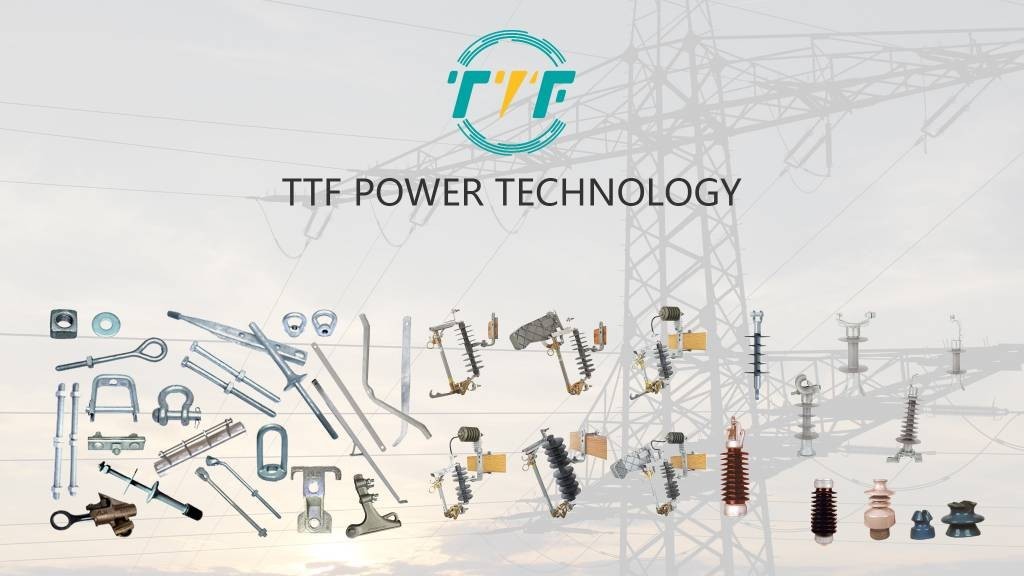
- Infrastructure expansion—Argentina is expanding 500 kV high-voltage lines to connect wind farms and solar projects to demand centers. Chinese companies are financing and building transmission lines to enable renewable power to flow to the national grid.
- Renewable energy deployment—wind power and solar power from the Patagonia and Cauchari solar parks supplies stable energy into the grid. Integration of renewables alongside gas-fired plants ensures reliability while reducing emissions.
- Financing and international cooperation—major players like Chinese companies, the World Bank, and the Development Bank of Latin America are backing renewable expansion in Argentina. Private sector investment for companies like Genneia, Envision, Canadian Solar, and TotalEnergies is active in Argentina’s renewables sector.
- Integration with the main grid—the construction of new transmission lines in Argentina reduces the curtailment of renewable energy, stabilizes the grid with energy storage solutions, and supports energy trade with neighboring countries.