

Vestas Wind Systems, a Danish manufacturer of wind turbines, secured two new contracts in Argentina amounting to 217 MW to supply its EnVentus models in 2026. The agreements will include the provision of 186 MW of V162-6.4 MW turbines and 31 MW of the V162-6.2 MW models. This progress highlights Argentina’s aspirations for renewable energy and Vestas’ position as a leader in wind technology worldwide. It also signifies Argentina’s strategy for energy transition, where wind contributes to diversifying the energy mix and decreasing dependence on fossil fuels. The EnVentus platform offers modular, scalable designs allowing developers to enhance performance across various wind conditions. The growth of wind power initiatives boosts local economies by creating jobs in construction, operations, and maintenance. Additional wind farms aid in shielding Argentina from the fluctuations of fossil fuel prices. Helical anchors play a vital role in the stability and foundation of wind energy systems
Helical anchors provide a fast, robust, and removable foundation for the guyed mast towers. The anchors secure the guy wires that stabilize the mast against high winds. Earth anchors serve as the primary foundation driven deep into the ground to support the steel posts of the wind-solar arrays. They are ideal for the arid and rocky soils in Argentina’s conditions. For mid-sized turbines, helical anchors support the tower base directly to the soil and resist the overturning moments created by wind. The anchors provide a cost-effective and rapid solution for projects that need the massive scale of a utility-grade turbine foundation. Steel helical anchors provide a large surface area and drive deep into the soil.
Functions of Helical Anchors in Wind Power Development in Argentina
The Vestas’ 217 MW turbine projects need reliable supporting infrastructure for transmission and distribution systems that link wind farms to the national grid. Helical anchors are deep foundation elements made of a steel shaft with one or more helical plates welded to it. They screw directly into the ground to provide secure anchorage without the need for massive concrete foundations. They support guyed towers, transmission poles, and ancillary infrastructure. Here are the functions of helical anchors in wind power development in Argentina.
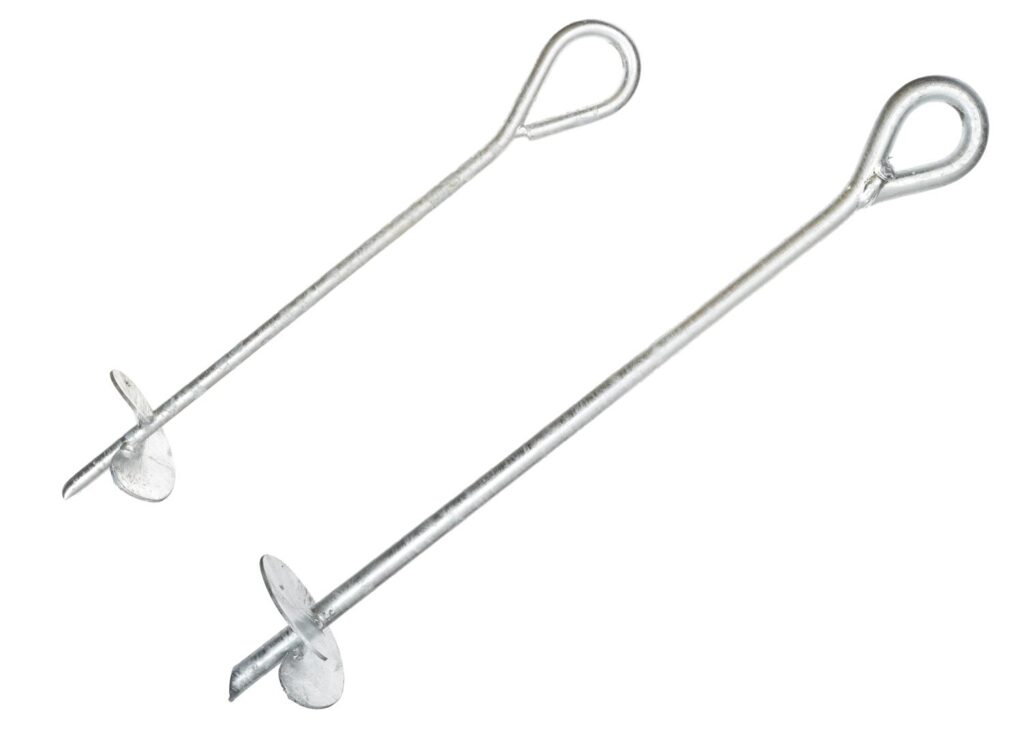
- Stabilizing guyed towers and poles—guyed transmission poles use helical anchors to secure guy wires. They provide resistance to uplift and lateral forces caused by high winds.
- Foundation for transmission infrastructure—helical anchors support poles and lattice structures carrying power from wind farms to the grid. They reduce reliance on concrete bases, which are costly and time-consuming.
- Low-impact installation—the anchors are fast and quick to install with minimal excavation. This is crucial in Argentina’s diverse ecosystems.
- Load-bearing capacity—helical anchors transfer structural loads to deeper, more stable layers. This ensures wind towers remain stable over decades of operation.
- Resisting dynamic loads from wind turbines—helical anchors distribute loads from cyclic loads. This helps prevent settlement or tilting.
Argentina utilizes wind technology to incorporate wind energy into the grid.
Incorporating wind energy into the national grid requires wind technology, enhancements to grid infrastructure, and intelligent energy management systems. Embracing these advancements could establish Argentina as a front runner in wind energy within South America. Cutting-edge wind technology encompasses:
- High-capacity wind turbines—contemporary wind farms in Argentina use advanced turbines such as the Vestas EnVentus series. These devices provide excellent efficiency, greater rotor sizes, and intelligent controls.
- Power electronics and grid-compatible characteristics—wind turbines now incorporate sophisticated power electronics like converters and inverters, reactive power management, and fault ride-through abilities. These characteristics will enhance the predictability and stability of wind energy for grid managers.
- Digital monitoring systems—SCADA systems—track turbine efficiency and output, enable remote control for supply balancing, and identify and resolve problems swiftly. This guarantees effective administration and seamless incorporation into the grid.
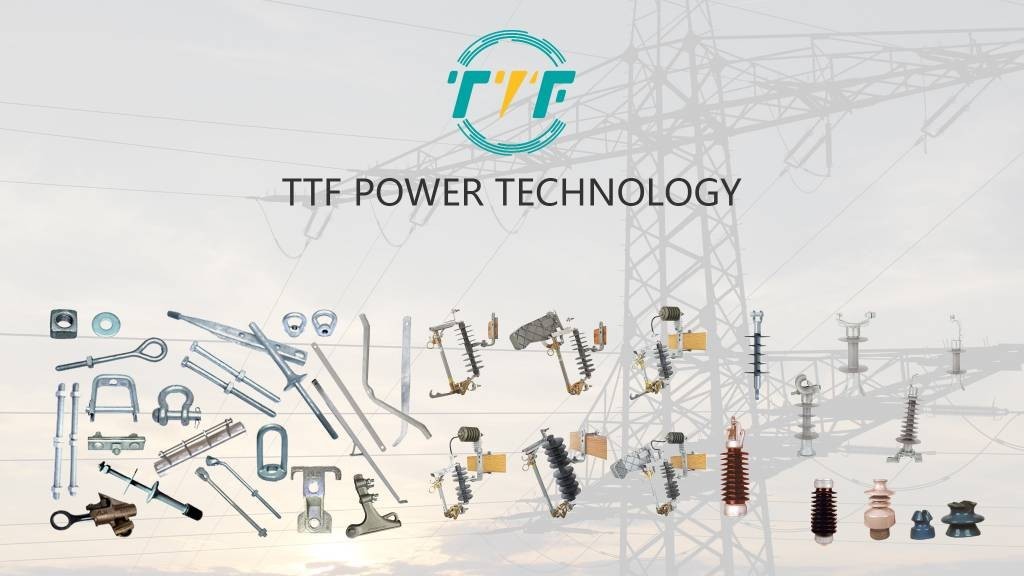
- Transmission and substation technologies—Argentina has put money into high-voltage transmission lines, transformers, substations, and reactive power compensation devices. Stay rods, strain plates, and various mechanical support systems are essential for reinforcing transmission infrastructure.
- Hybrid systems and energy storage—the nation is investigating hybrid renewable systems alongside battery energy storage solutions.Smart grid integration—Argentina is moving toward a smarter grid that uses automation and predictive analytics. It’s moving to balance fluctuating wind generation, prioritizing renewable inputs, and enhancing reliability and reducing curtailment of wind farms.