
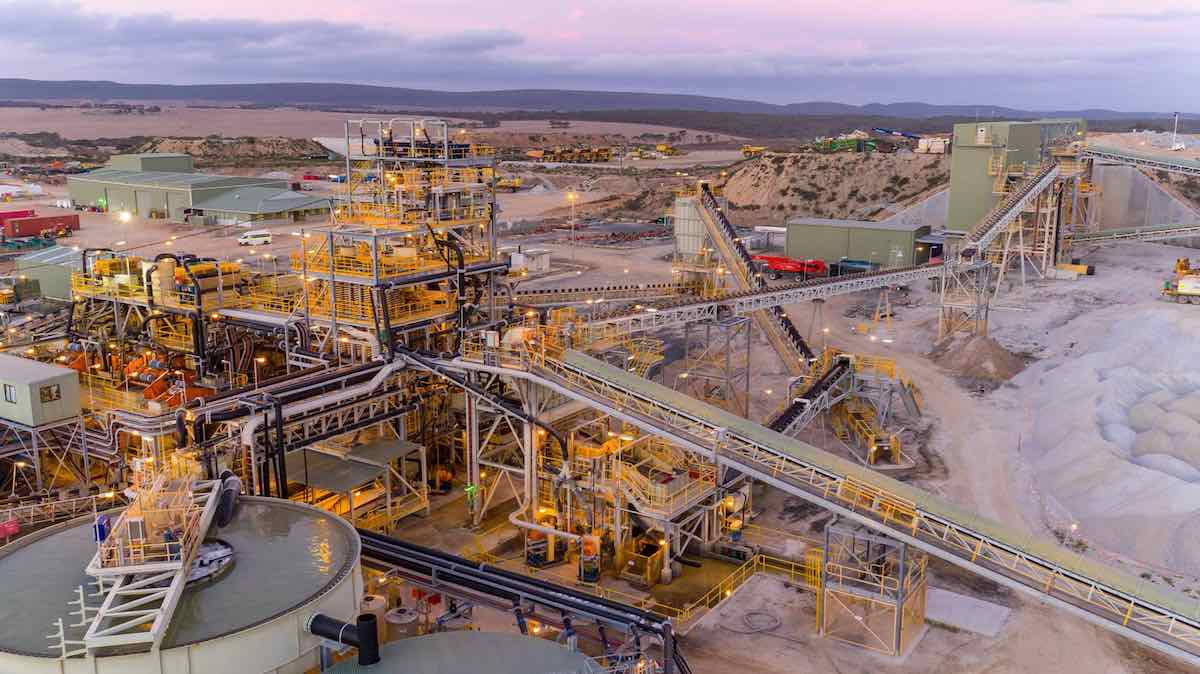
Chile recently approved a joint venture between Enami and Rio Tinto to extract up to 1.2 mn of lithium from the Solares Altoandinos project. Enami recognizes the initiative as the largest mining extraction permit ever granted outside the Atacama region. Chile’s lithium mining has entered a new phase defined by state participation, technological partnerships, and long-term control over critical minerals. The initiative aligns with Chile’s broader goal of securing its position as a global leader in the lithium supply chain. Lithium minerals are crucial for batteries used in electric vehicles, battery storage, and grid modernization. The initiative leads to the development of key infrastructural projects that support lithium mining. Use of components such as strain clamps helps withstand the full mechanical tensile load of the conductors.
In Chile’s power line networks, strain clamps help supply the lithium mine. They work at every point where the line ends, changes direction, or crosses a significant obstacle. Overhead lines are under constant mechanical tension from their own weight, wind, and temperature changes. The strain clamp grips the conductor with immense force and transfers the tensile load to the support structure. The clamp ensures that the electrical current flowing through the conductor can pass through the clamp with minimal losses.
Poor connections on the lithium infrastructure would create a hot spot leading to energy inefficiency and potential failure. Strain clamps can distribute mechanical stress evenly along a section of the conductor. They consist of a smooth, curved body to avoid creating concentrated points of stress that could cause bird caging. Most of the dampers integrate dampers that help disrupt vibration patterns to protect the conductor from fatigue. The strain clamps allow the power grid to traverse the long, exposed distances from the main grid to remote mining sites.
Technological innovations supporting Chile’s lithium mining industry
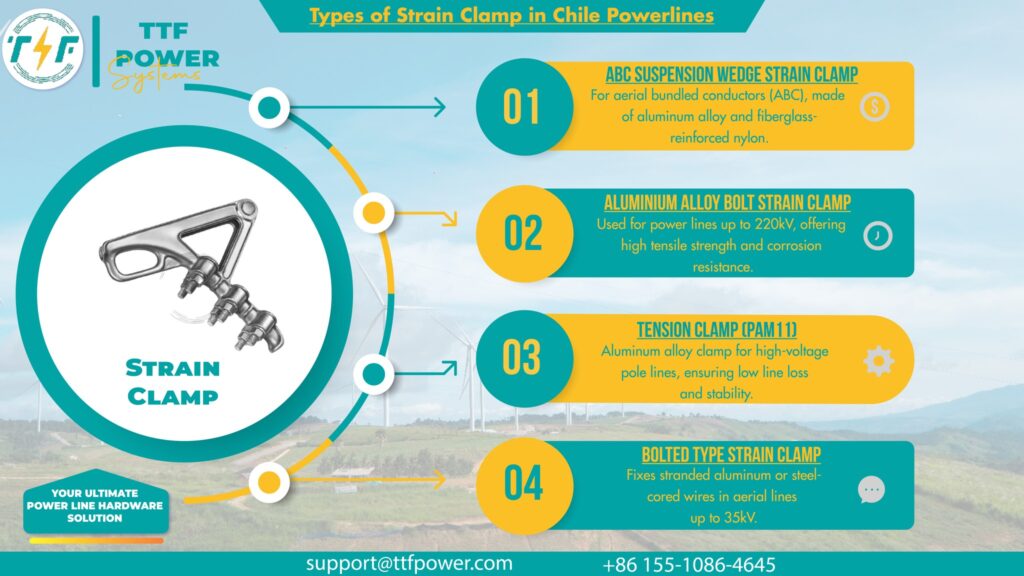
Chile aims to move from a simple, weather-dependent evaporation process to a more controlled, efficient, and sustainable industrial operation. Traditional evaporation ponds are water-intensive and demand large tracts of land. Alternatively, direct lithium extraction consists of technologies designed to remove lithium directly from the brine before it is sent to evaporation ponds. Such technologies reduce production time, increase lithium recovery, reduce the footprint of operations, and improve resilience. There is also increased use of advanced reservoir modeling, precise brine pumping, and monitoring. Chile is adopting innovations such as concentrate control and pond lining, robotics and drones, and machine learning for process control. These advancements make the traditional evaporation process smarter and more efficient. These technologies use robust hardware such as strain clamps to stop and anchor an electrical conductor to handle mechanical tensile load while maintaining electrical continuity.
Functions of the strain clamps in Chile’s lithium mining infrastructure
Strain clamps ensure the integrity, stability, and efficiency of the electrical transmission and distribution networks. They help deliver power to extraction, pumping, and processing systems. Strain clamps are crucial for maintaining mechanical strength and electrical continuity under extreme environmental conditions in Chile. Here are the functions of the strain clamps in mining infrastructure.
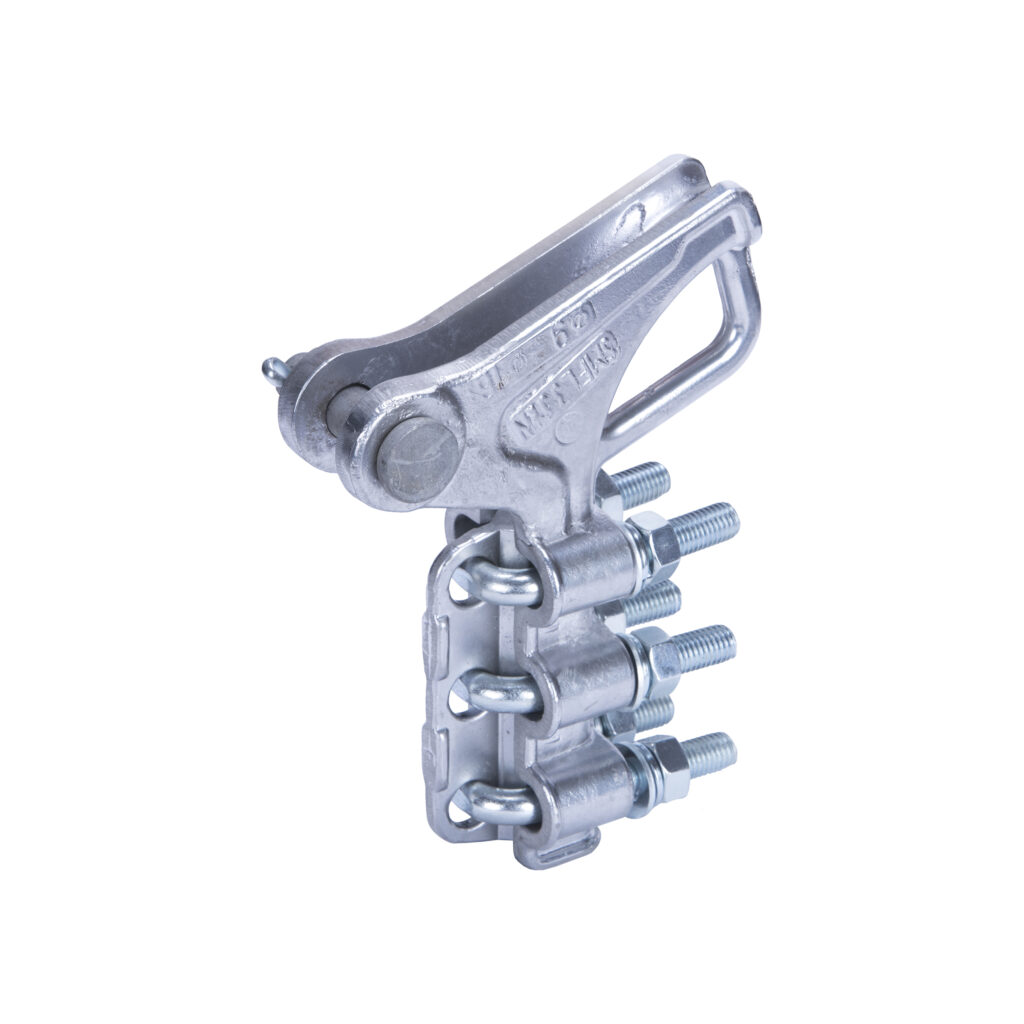
- Withstanding mechanical tension—transmission lines span long distances between substations, processing plants, and pumping facilities. The clamps anchor and terminate conductors at points of high mechanical stress. The strain clamps absorb and transfer mechanical tension from the line to the support structures.
- Maintaining electrical continuity—strain clamps provide mechanical anchoring and ensure uninterrupted electrical conductivity. They are from high-strength aluminum alloy or galvanized steel that offers low electrical and corrosion resistance.
- Supporting high-voltage transmission stability—strain clamps function in high-voltage transmission lines that feed lithium mining operations. They reduce vibration, fatigue, and conductor creep that reduce the risk of mechanical failure.
- Integration with renewable power systems—the clamps are crucial in hybrid grid connections where they maintain reliable power transmission between renewable generation points and energy storage facilities.
Potential barriers to address before the commencement of the lithium mining joint venture in Chile
Integrating lithium mining infrastructure into Chile’s energy sector presents economic and technical opportunities. The integration should expect structural and environmental barriers that could slow the progress. These challenges arise from grid constraints, regulatory complexity, water scarcity, and the balance between energy expansion and environmental protection in the Atacama region. The two companies should prepare and address these challenges to fully realize the potential of lithium mining in Chile.