
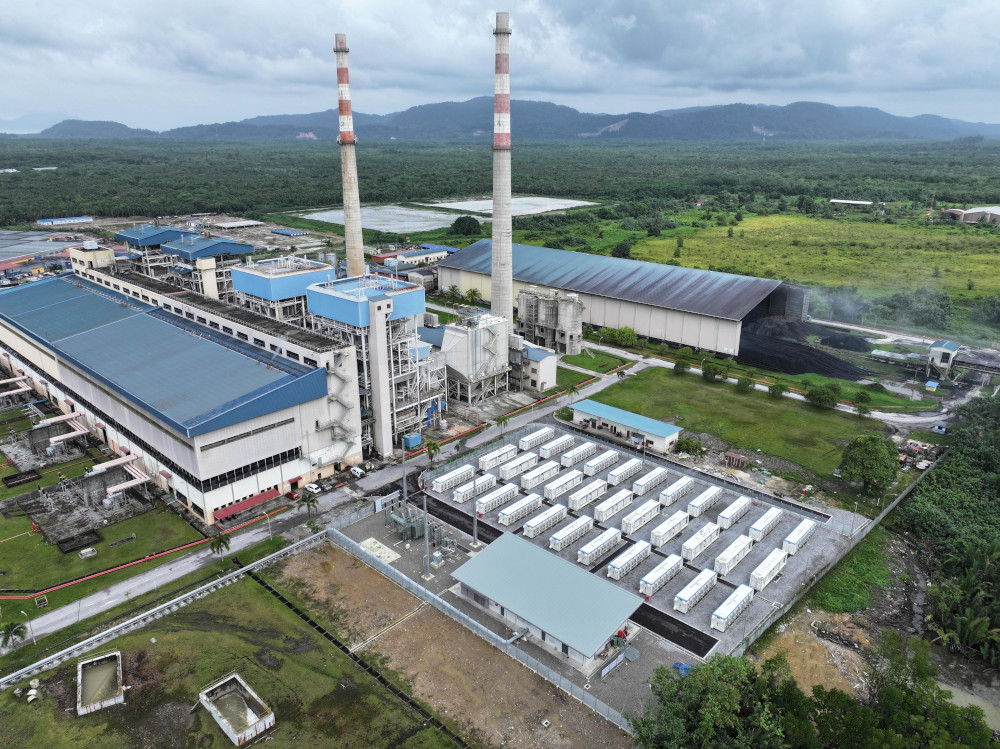
Engie Chile fully energizing the 116 MW/660 MWh Tocopilla battery energy storage systems marks an achievement in Chile’s energy transition. The project is set at its former coal-fired unit in northern Chile. It is also part of a project to convert old fossil-fuel generators to sustainable energy. Additionally, the project reflects Chile’s efforts to decarbonize its power grid and enhance energy storage capacity. It also shows how coal sites can be repurposed as modern renewable energy assets. The storage facility uses 240 lithium-ion battery units and 30 power conversion systems. It also connects to Chile’s national transmission grid to allow it to store electricity and enhance grid flexibility. Deadend clamps are crucial hardware components for the safe, reliable, and durable installation of electrical conductors.
The clamps terminate, anchor, and support electrical conductors, transferring mechanical load from the cable to the support structure. It serves at the end of a run of overhead cable or at a point where the cable changes direction. The deadend clamp grips the conductor and connects it to the pole, tower, or substation structure. By absorbing all the tensile load, it prevents the cable from pulling away from its termination point. Deadend clamps terminate the overhead distribution lines. They also anchor conductors on transformer, circuit breaker, or disconnect switch terminals.
High-quality clamps transfer the mechanical stress away from the electrical connection points of sensitive equipment. For instance, they ensure the tensile load from the main feeder cable is not borne by the bushings of a power transformer. Dead-end clamps are essential for connecting overhead lines to the main transformer. The transformer then steps up the voltage from the BESS power conversion system to the grid voltage.
Environmental and economic benefits of the Tocopilla BESS in Chile
The BESS project in Chile reflects a technical shift toward sustainable energy, environmental, and economic restructuring of the power sector. By converting a coal plant into a high-capacity energy storage hub, the project delivers environmental and economic benefits that reinforce Chile’s leadership in renewable energy innovation. The project helps reduce greenhouse gas emissions, provides sustainable reuse of industrial infrastructure, and enhances renewable energy integration. The project also supports cost-effective grid management. This is by reducing operational inefficiencies linked to fossil fuel ramp-ups. This leads to the creation of a local economy through jobs in engineering, construction, and maintenance.
Functions of deadend clamps in BESS infrastructure
Dead-end clamps ensure the stability, safety, and efficiency of the power connections linking the BESS to the high-voltage grid. They secure conductors at the termination points of transmission lines in a hybrid energy system. These are systems integrating renewables, storage, and existing grid assets from coal-fired plants. Here are the functions of the dead-end clamps in the BESS infrastructure.
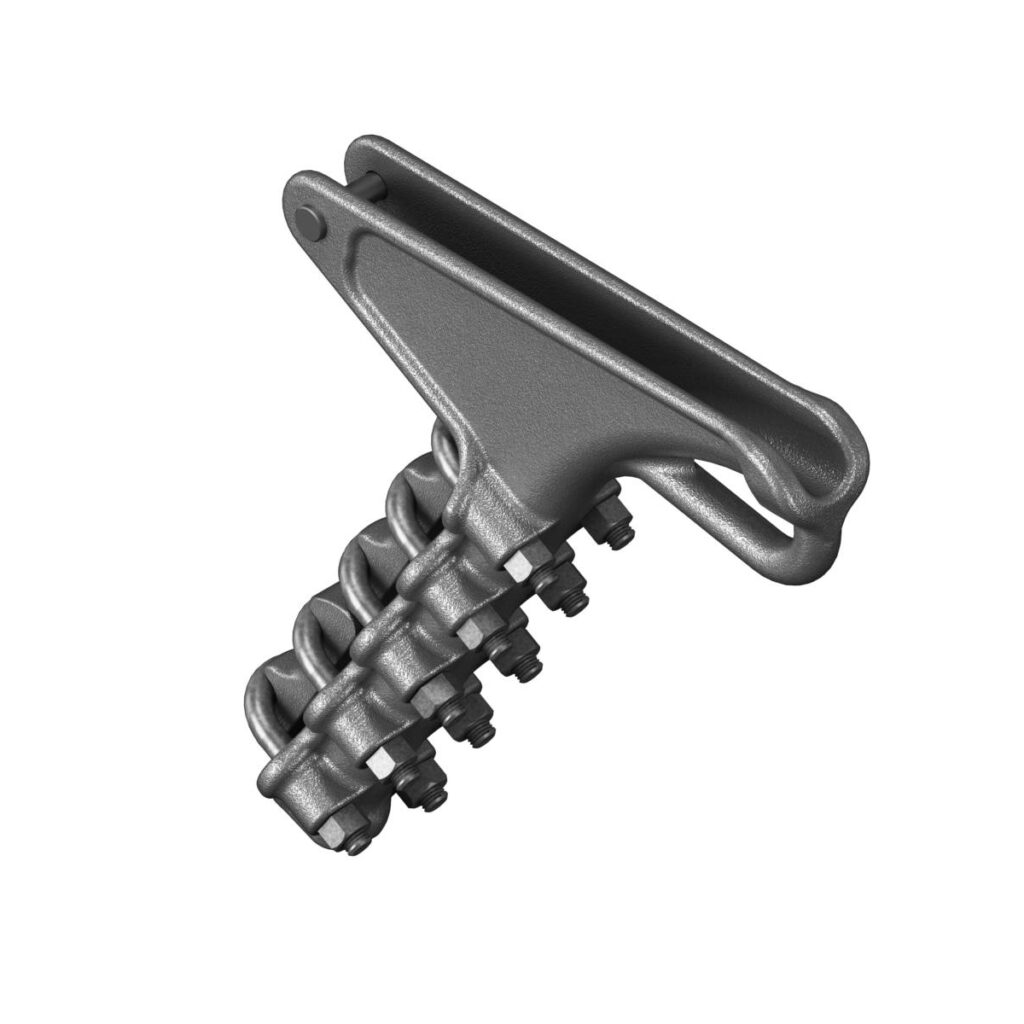
- Mechanical termination of conductors—the deadend clamps anchor and hold conductors under tension at the endpoints of transmission lines. They ensure the electrical connections remain stable to reduce the risk of line failures.
- Ensuring electrical reliability—deadend clamps maintain electrical conductivity between the conductor and the connected equipment. They enhance the electrical reliability of the storage network.
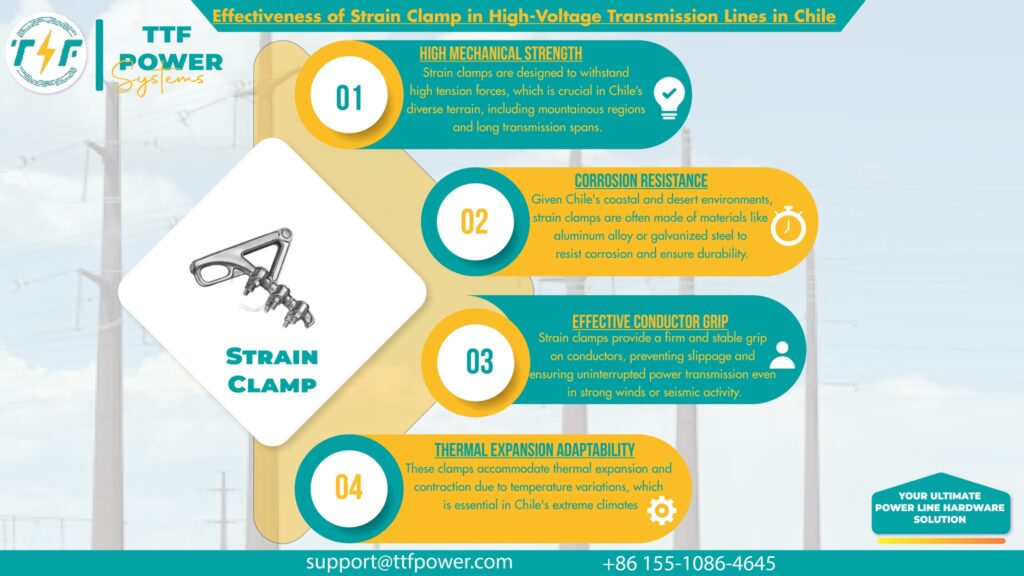
- Withstanding high mechanical and thermal stress—the clamps use high-strength aluminum alloy or galvanized steel clamps. These materials ensure that the BESS’s overhead and grounding connections remain resistant to environmental degradation.
- Securing high-voltage connections—by withstanding high mechanical load, the clamps allow the BESS to discharge stored energy into the grid.
Components of the Tocopilla BESS project
The Tocopilla BESS project is a model for converting fossil-fuel infrastructure into clean, flexible energy systems supporting decarbonization and renewable integration goals. Key components of the project include:
- Power conversion system—this acts as the bridge between the DC power stored in the batteries and the AC power used in the grid.
- Battery system units—the project uses 240 lithium-ion battery modules housed in containerized enclosures.
- Medium- and high-voltage switchgear—this infrastructure ensures safe, reliable distribution of power between the BESS and the Chilean grid.
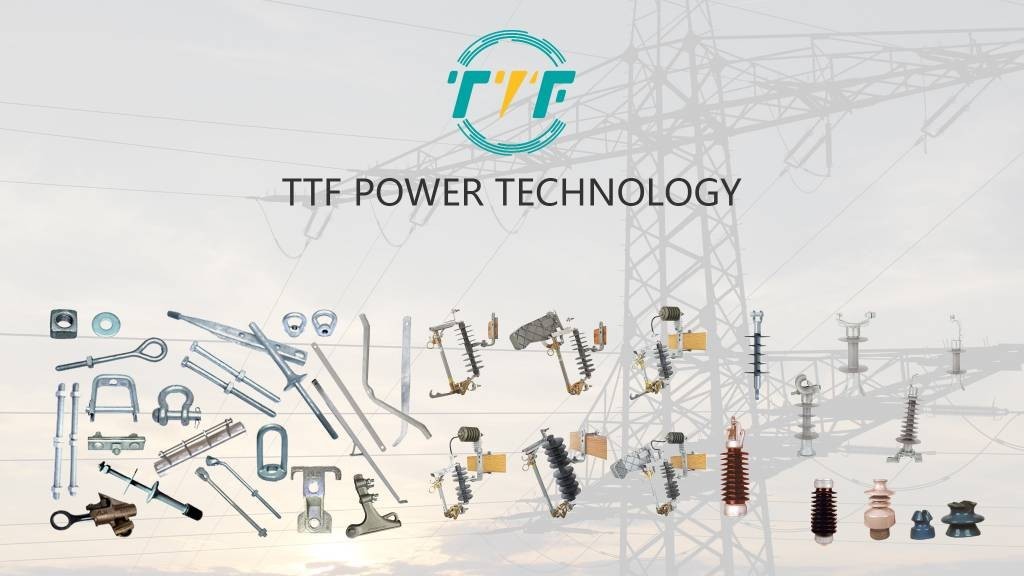
- Protection devices—these protect the BESS and connected assets from faults and overloads. They include the cutout fuse, deadend clamps, surge arresters, circuit breakers, and relays.