
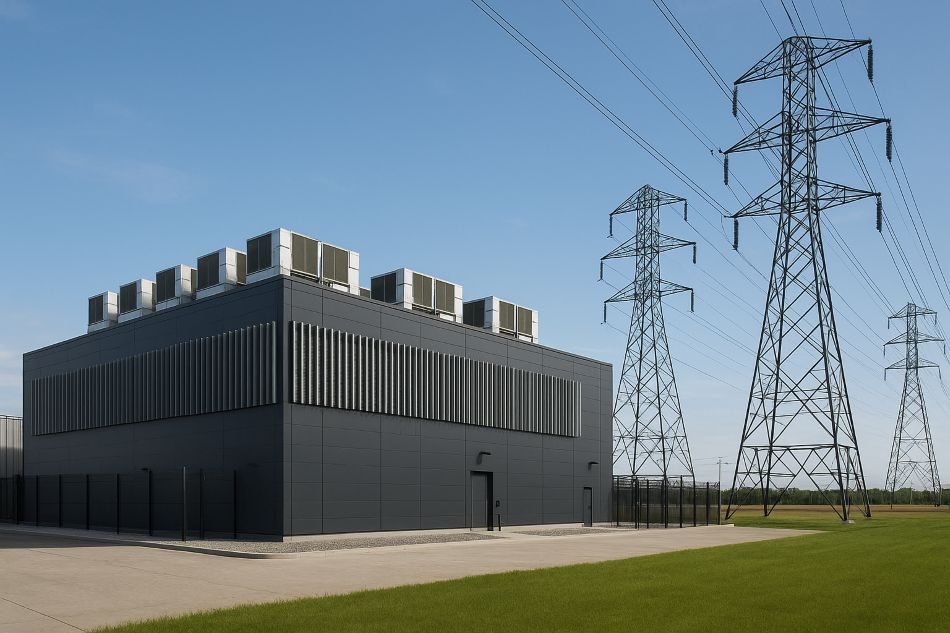
The increasing pace of digital expansion in Chile is transforming how economies and societies operate. Data centers in the country are the backbone of the ecosystem supporting digital lifestyles to smart buildings and hyper connected industries. Chile’s energy sector aims to evolve toward hybrid architectures to combine centralized, regional, and local edge computing. The next generation of data centers will combine artificial intelligence and energy efficiency to create more sustainable, resilient, and future-proof digital infrastructures. The development of next-generation, AI-driven, and energy-efficient data centers rely on robust infrastructure like an automatic splice.
Conductor splices create a low-latency, high bandwidth, and resilient fiber optic networks that underpin Chile’s digital economy. An automatic splice aligns two optical fibers and uses an electric arc to fuse them together. They create a continous path for light signals with minimal signal loss and reflection. By doing so, the splices maintain signal strength and reduce the need for expensive signal regeneration sites.
Data centers house equipment and irreplaceable data. This demands fire suppression systems to safeguard the equipment. Automatic splicing functions at junction points to create redundant paths and ensure service continuity. their speed and reliability allows for rapid network rollout and reduce service disruption and labor costs. Automatic splicers create a permanent, low-loss fiber links between switches, routers, and servers within a data hall. The splicers fuse the fibers that form the dedicated, high-bandwidth links between data centers. The quality of the splices impacts the latency and reliability of cloud services, financial trading platforms, and big data analytics.
Significance of data centers in Chile’s digital ecosystem
There is increased dependence on cloud platforms, fintech services, streaming, and e-commerce. Data centers host and process massive amounts of real-time data needed to sustain digital lifestyles. Additionally, sensors, automation systems, and intelligent controls depend on uninterrupted data flows. These support smart buildings, IoT networks, and hyper connected industrial ecosystems. Local processing reduces latency to ensure that smart-grid systems, automated logistical hubs, and advanced manufacturing remain efficient and responsive.
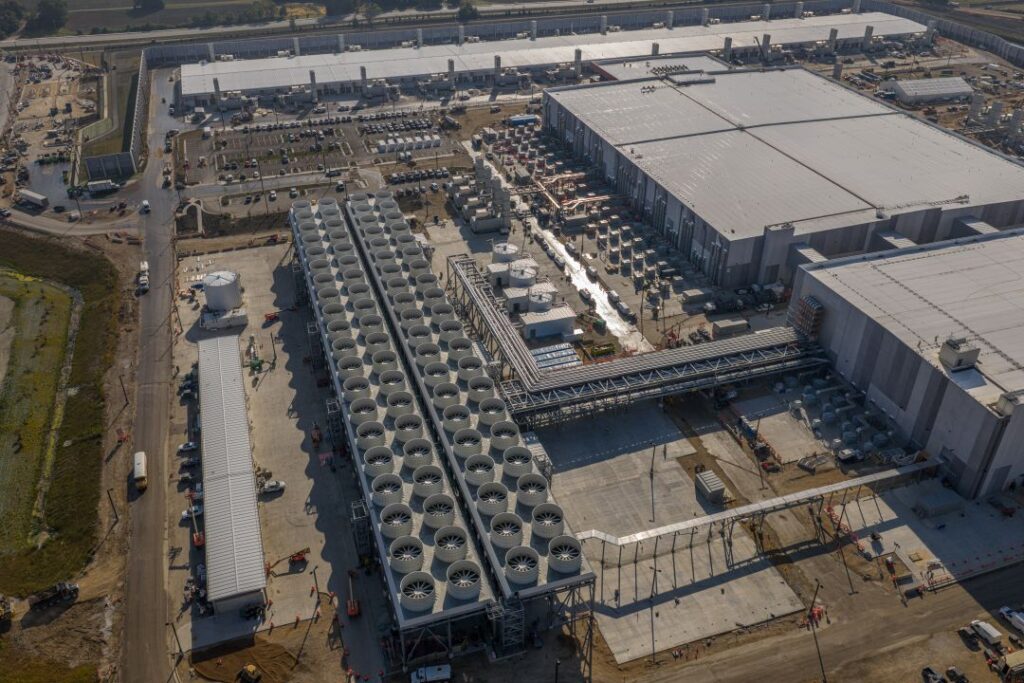
Merging AI with energy-efficient operations enhance resilience, sustainability, and operational intelligence. AI use in data centers lead to predictive maintenance, automated load balancing, energy-use forecasting, cooling optimization, and cybersecurity monitoring. Chile’s integration of microgrids combines renewables and battery energy storage, adoption of free cooling, use of heat-reuse systems, and deployment of power usage effectiveness. These demands the use of robust infrastructure supported by power line hardware like automatic splice.
Functions of an automatic splice in data centers supporting digital infrastructure
Automatic splices join fiber networks inside and between data centers. The rapid adoption of data centers in Chile relies on reliable, fast fiber splicing that reduces build time. Automatic splicers allow smaller field crews to produce consistent results in diverse Chilean conditions to improve resilience. Here are the functions of the automatic splice in next generation digital infrastructure.
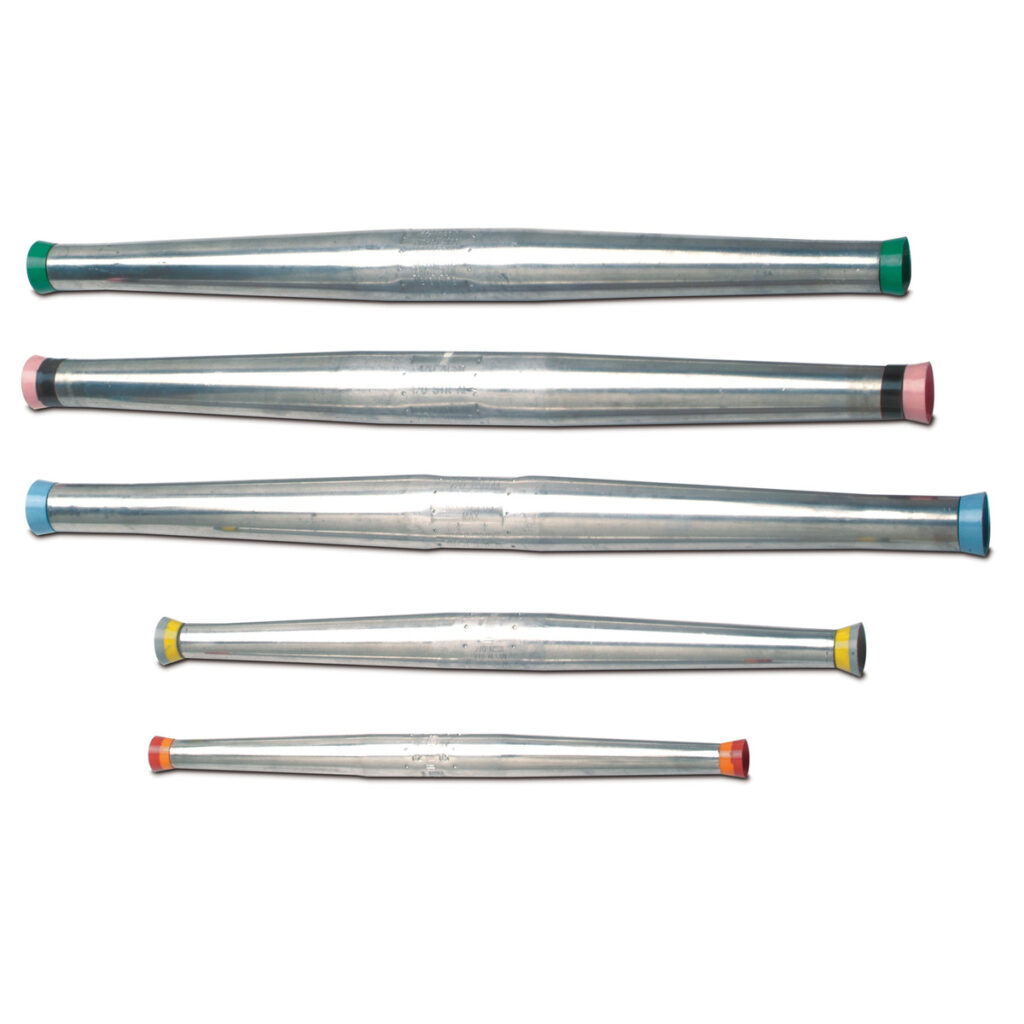
- Creating permanent fiber joins – fusion splicing fuses two fiber ends with an electric arc. This produces minimal insertion loss and reflection for long fiber runs and dense links inside modern data centers.
- Speed and consistency at scale – automatic splices automate alignment, arc control, and loss estimation. It also produces repeatable and high-quality splices faster than manual methods.
- Field repair and uptime restoration – technicians use automatic splicers to restore service with reliable and long-lasting joints.
- Supporting high-density architectures – automatic splicers handle modern hyperscale and colocation sites. This allow operators to reach required loss budgets and latency targets.
Digital infrastructure enhancing energy efficiency and sustainability in Chile
Chile’s commitment to clean energy supports green data center development with increased solar and wind resources. These resources help operators to power facilities with renewable generation. These infrastructure is as detailed below.
- Smart data centers – these facilities lower carbon footprint and attract global cloud providers seeking clean and stable energy. The features include advanced cooling systems, AI-driven optimization, and heat-recovery technologies.
- Renewable-powered connectivity networks – fiber routes, edge routes, and carrier-neutral facilities are integrating renewable energy. The renewable integration ensures low-emission data flows.
- AI enhanced grids improving energy efficiency – Chile’s grid modernization relies on digital solutions that boost sustainability and reduce losses. The infrastructure includes smart grid analytics, automated substation equipment, and virtual power plants.
- Energy-efficient digital infrastructure – these technologies reduce operating costs and emissions. An automatic splice allow quick repairs and replacements for grid efficiency and reliability.