
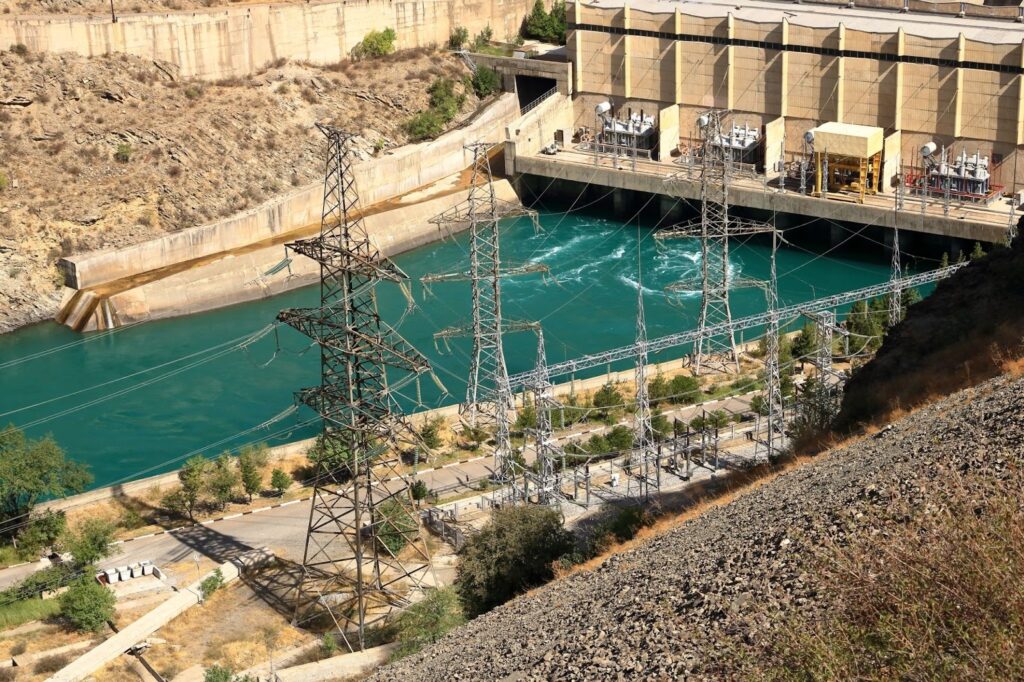
Energy companies in Argentina plan to take over four hydroelectric business units that supply 4GW of installed capacity. This marks a change in ownership and signals a broader recalibration of how Argentina plans to manage, modernize, and capitalize on its renewable potential. Hydropower contributes to grid stability and low-carbon generation in Argentina. However, this upgrade will bring about upgrades in turbines, control systems, automation, and grid-interface technology. The country has the opportunity to integrate modern SCADA systems, predictive maintenance, and AI-driven load optimization. This will allow the hydropower to support frequency regulation and peak-load balancing. Such integrations will demand the use of robust power line infrastructure for safe and secure connections. A key hardware component includes the corona rings.
Grading rings enable the reliable transport of massive amounts of hydroelectric power from remote dams to consumption areas. It is a crucial component in the extra high-voltage lines bridging the distances between generation and consumption. Corona rings are toroid-shaped aluminum tubes at the end of insulator strings. They distribute the electric field to prevent the air from breaking down. They are crucial in preventing unsustainable energy losses and frequent faults.
The humid conditions of the Northeast, water droplets on conductors intensify the electric field. Corona rings smooth the electric field to reduce the losses and ensure that the hydro energy generated reaches the grid. Argentina has adopted polymer insulators for their lightweight and hydrophobic properties. These are suceptible to acidic erosion caused by corona discharge. The rings shift the electric field away from the insulator’s surface onto the ring itself.
Potential of the 4GW capacity on Argentina’s renewable energy mix
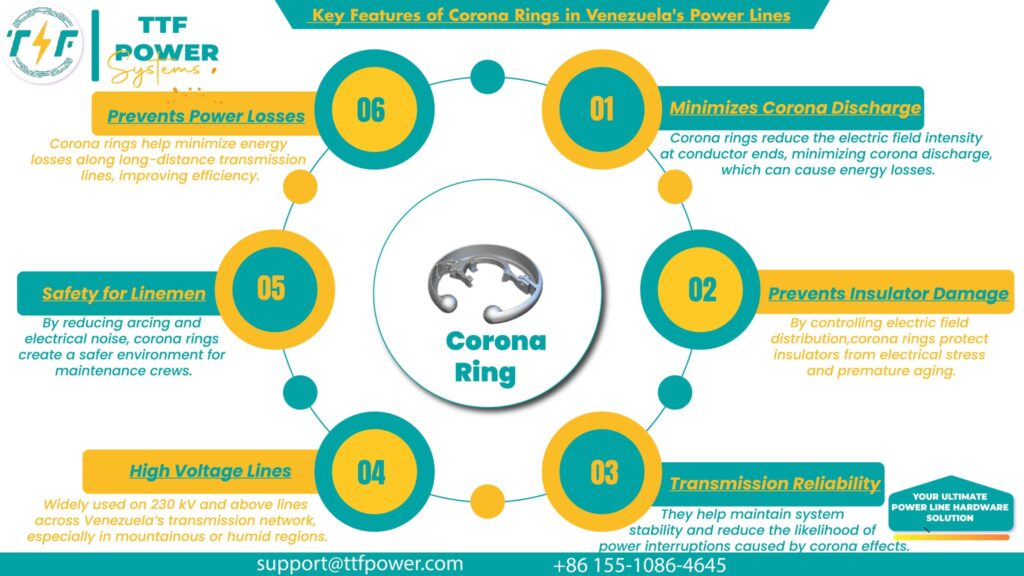
The 4GW capacity in Argentina anchors the entire system as Argentina speeds up the expansion of solar, wind, and grid-forming technologies. The hydropower capacity delivers clean baseload power, reduce dependence on thermal plants, and lowers emissions. This allows the country to expand it renewable sector without compromising reliability. The capacity also provides operational services that stabilizes capacity to reduce the risk of system disturbances. Argentina’s hydropower reduces reliance on imported fuels and helps stabilize electricity prices. The new investments in modernization, digitalization, and upgraded transmission lines will strengthen Argentina’s energy independence. The use of corona ringssuppress flashovers that would trip the line and destabilize the gr
Significance of corona rings in hydropower and grid integration
Corona rings are metal rings attached to high-voltage terminals, bushings, or insulators. They redistribute the electric field around sharp edges to keeo the field below the ionization threshold of air. The corona ring prevents corona discharge which causes energy loss, audible noise, radio-frequency interference, and ozone production. Here are the functions of the corona rings in hydropower and integration.
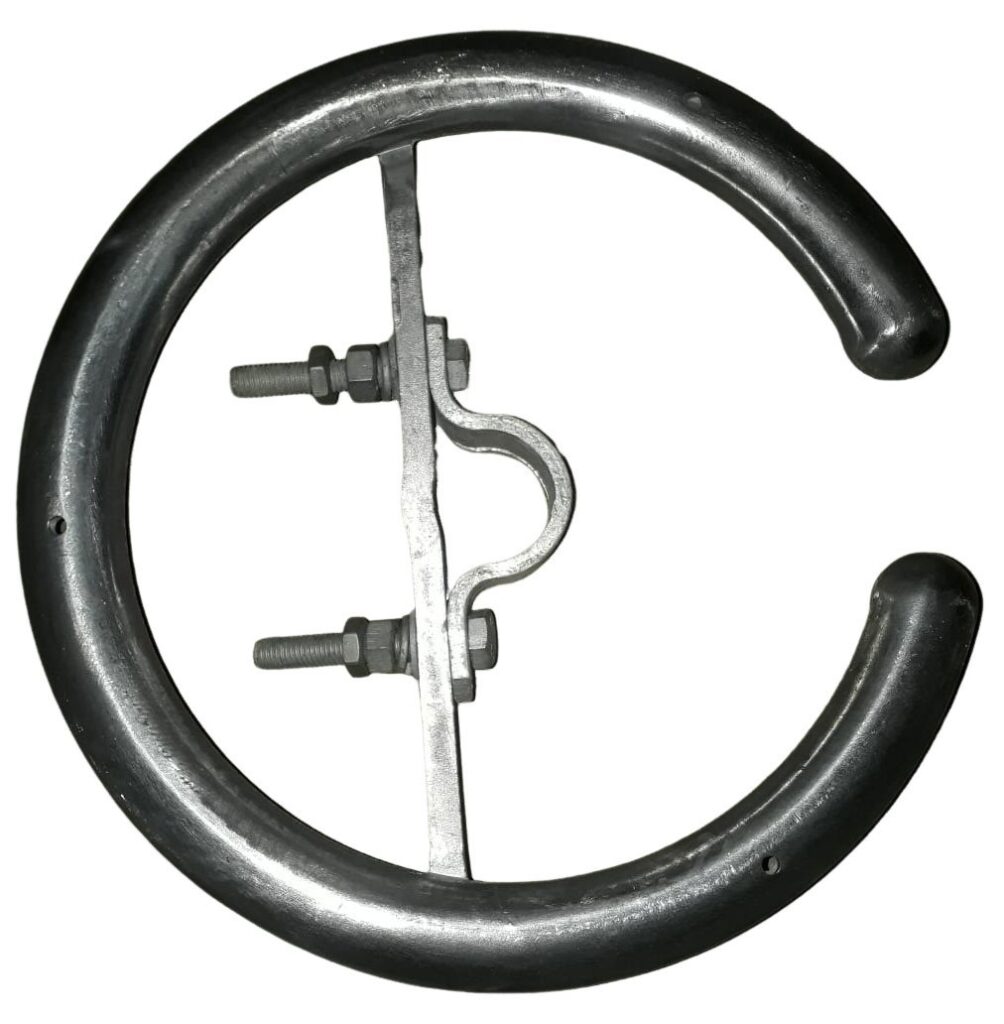
- Electric-field grading – corona rings creates a smooth equipotential surface that reduces the local field intensity at sharp edges and terminations.
- Suppressing corona discharge discharge and losses – the rings stop ionization around terminals. This helps reduce continous corona current that wastes energy and increases line losses at very-high voltages.
- Reducing audible noise – corona produces audible hissing and electromagnetic interference. The corona rings these conditions for enhanced protection.
- Allowing insulation designs – corona rings help equalize the field on long insulator strings and bushings. This enables reliable operation without oversizing components.
Impact of taking over Argentina’s hydropower facilities
Companies taking over the 4GW hydropower facilities will lead to modernization and support the grid. This will lead to upgrading the hydropower infrastructure to align with modern grid requirements. The upgrades will allow Argentina to integrate more renewables, reduce outages, and achieve energy sustainability. Corona rings support and secure transmission conductors carrying electricity from the hydropower plants to the grid. Here is how this aligns with modern grid requirements in Argentina.
- Modernizing turbines, generators, and control systems – the operators will drive turbine replacement to boost efficiency, generator upgrades for improved power quality, and advanced automation that enable fast response to grid frequency changes.
- Enhancing transmission interfaces and power delivery – the companies will invest in upgrades to substations and better protection systems to prevent faults.
- Enabling smart grid integration – the new operators will integrate SCADA expansions and condition-based maintenance platforms to ensure efficient operation of the hydro plants.
- Reinforcing grid stability – the upgraded hydro plants will be optimized to provide stability functions. These include frequency regulation, rapid ramping, and reactive power support to maintain voltage stability.