
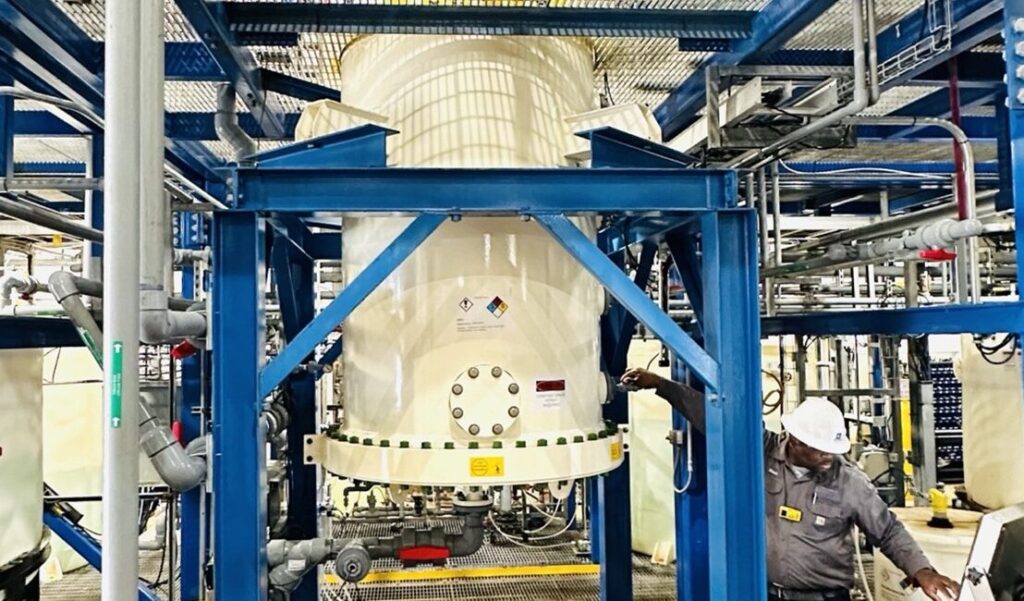
Argentina stands to benefit from increased lithium production from its Rincon West lithium brine project in Salta Province. The development shows the project’s potential resources, including lithium and potassium for battery production. Argentina is aiming to become a global supplier of battery-grade lithium. Increased lithium production will also lead to increased investment in refining, battery-grade chemical production, and battery manufacturing. The rising output could help meet the global demand for lithium while offering competitive supply costs given its brine-based lithium deposits. This in turn demands the use of power transmission and distribution networks. These ensure every stage of lithium from brine pumping to chemical processing. Using cable suspension bolts helps to ensure the power reaches extraction wells.
Cable bolts are key components in underground mining for rock support, and they secure power lines to utility poles. Lithium brine extraction demands a massive network of medium-voltage power lines running from a generator to individual brine pumps across the Salar. The cable suspension bolt passes through the utility pole. It holds the suspension clamps that secure the electrical conductor. The bolt has a shoulder design to allow the clamp to articulate. This prevents the wire from snapping at the pole during the high winds in the Andes.
The suspension bolt helps bear the power line’s weight and tension at the specific pole. It holds the suspension clamps while allowing for articulation. The bolt helps dampen the aeolian vibrations that can cause fatigue to the metal conductors over time. By ensuring the line galloping and mechanical failure, the cable bolt ensures the processing plant maintains a steady power supply.
Role of lithium in the global supply and energy transition in Argentina
Argentina is positioned to influence global supply chains and its own domestic energy transformation. It influences the economic, industrial, and environmental dimensions. Lithium is the key material in lithium-ion batteries, which power electric vehicles, grid storage, and portable electronics. Its increasing production ensures the country provides lithium for Asian, European, and North American battery manufacturers. It also strengthens the country’s bargaining power in global supply agreements as demand for EVs speeds up. It also supports electrification in mining, manufacturing, and transport. This is crucial to reduce carbon intensity across the sectors.
Functions of the cable suspension bolt in lithium extraction and processing infrastructure
Cable suspension bolts ensure stable, safe, and efficient power delivery in lithium extraction and processing infrastructure. The bolts secure the conductor in position to help reduce the risk of electrical faults, short circuits, and accidental grounding. This is crucial in industrial settings with continuous brine pumping and processing operations. Here are the functions of the cable suspension bolts in lithium equipment.
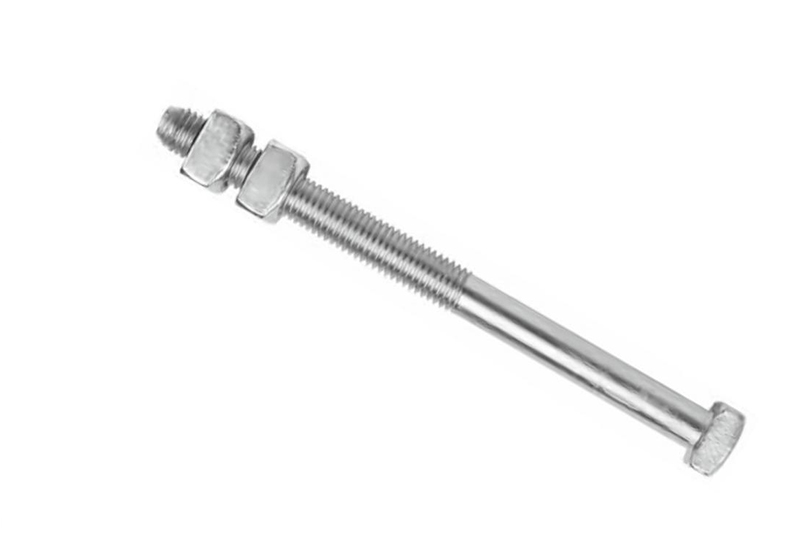
- Supporting overhead power cables—cable suspension bolts secure and support conductors on poles. They ensure stable alignment under harsh environmental conditions.
- Maintaining mechanical stability—the bolts help distribute mechanical loads from cables to the supporting structure. They prevent tension forces that could cause cable sag, misalignment, or hardware failure in remote fields.
- Ensuring electrical reliability—suspension bolts reduce vibration and mechanical stress on conductors. This improves current flow to pumps, brine extraction equipment, and processing systems.
- Safe power delivery—using the cables in lithium processing equipment ensures cables remain fixed to insulator strings and reduces the risk of outages.
- Supporting grid expansion—cable suspension bolts work in overhead lines feeding exploration camps and processing facilities.
Lithium equipment and technologies for lithium extraction and processing in Argentina
Lithium extraction and processing depend on advanced equipment and technologies designed to optimize brine recovery. They also speed up evaporation, improve purification, and ensure grid-reliable operations. These include:
- Brine extraction techniques—the extraction components include brine pumps, submersible electric pumps, monitoring sensors, and well casings.
- Evaporation pond infrastructure—this depends on solar evaporation for traditional brine processing. These include geomembrane liners, brine transfer pipelines, and concentrated sensors.
- Direct lithium extraction tech—these technologies help to improve yield and reduce environmental impact. Key methods include ion-exchange units, adsorption columns, solvent extraction systems, and modular skids.
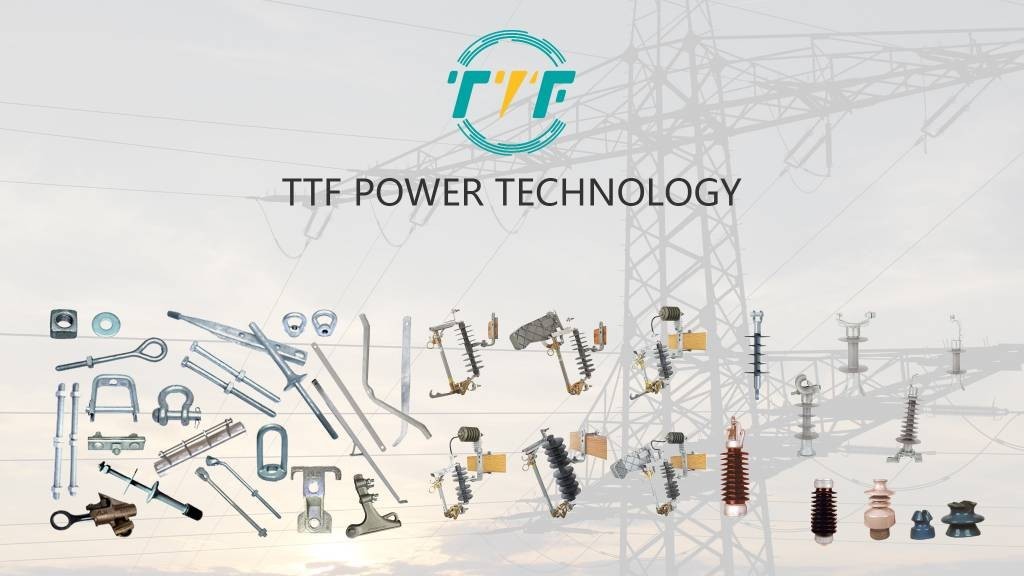
- Power transmission and electrical infrastructure—lithium extraction and processing depend on overhead transmission lines, transformers, protection relays, and hardware such as cable suspension bolts and clevis fittings.