
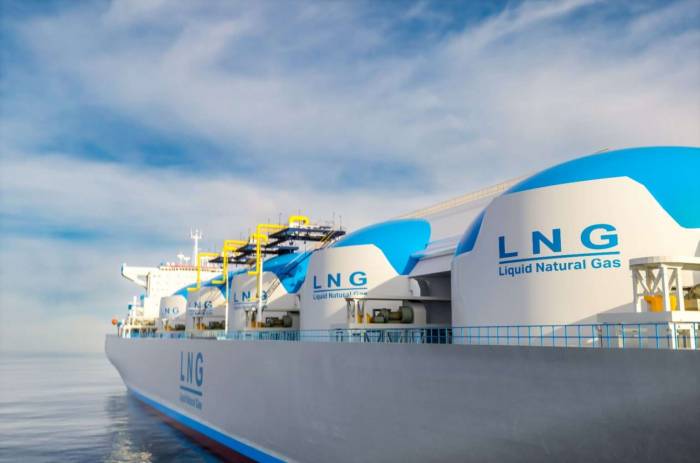
Argentina’s LNG is now one of the new players in the global gas market, driven by the Vaca Muerta shale formation. The country is also shifting from domestic-focused energy policy to export-oriented strategies. This growth in the LNG sector reflects geological advantage and alignment with international demand trends. Recently, Argentina launched its first long-term LNG export alongside new liquefaction projects. Vaca Muerta’s geology supports high flow rates and long-term production. This enables consistent feedstock supply for export trains and competitive LNG pricing. The shale formation offers Argentina a credible seat in global LNG supply planning. Argentina’s new goals lead to the development of supporting infrastructure. These include pipelines, FLNG units, and integrated power systems. Such connections demand the use of components such as stay rods. These rods prevent lateral deflection and dynamic oscillations in emergency flare stacks and continuous vent masts.
Stainless steel rods act like strings on a tent and anchor the structures to the ground. They support structures such as flare stacks, vent masts, monitoring masts, and communication towers. Stay rods reduce movement from wind that leads to metal fatigue. Additionally, the rods provide structural reinforcement and stability to the internal components of the tank.
Stay rods hold the tube bundle, tube sheets, and baffle plates together to ensure they maintain their alignment and spacing. This is crucial for tubes under thermal expansion, contraction, and pressure. The rods can withstand the tensile forces and compressive forces generated by the high pressures between the tubes. Stay rods in LNG infrastructure ensure the long-term reliability and safe operation of high-pressure, cryogenic equipment. This is by providing structural reinforcement against extreme operational conditions.
Contributions of LNG in Argentina’s energy transition
South American countries are now focused on reducing coal dependence and diversifying gas supply. Argentina has the ability to deliver priced LNG, which positions it as a contributor to the energy transition. LNG provides a cleaner alternative to carbon-intensive energy sources. It helps lower carbon emissions, reduce pollution and support flexible backup for renewable energy. LNG also plays a role within Argentina’s own energy mix. It provides a stable baseload generation from natural gas to support grid reliability as renewable use increases. It also reduces reliance on diesel and fuel oil in remote and industrial areas. This helps Argentina expand wind and solar capacity without compromising grid stability.
Roles of stay rods in Argentina’s LNG infrastructure
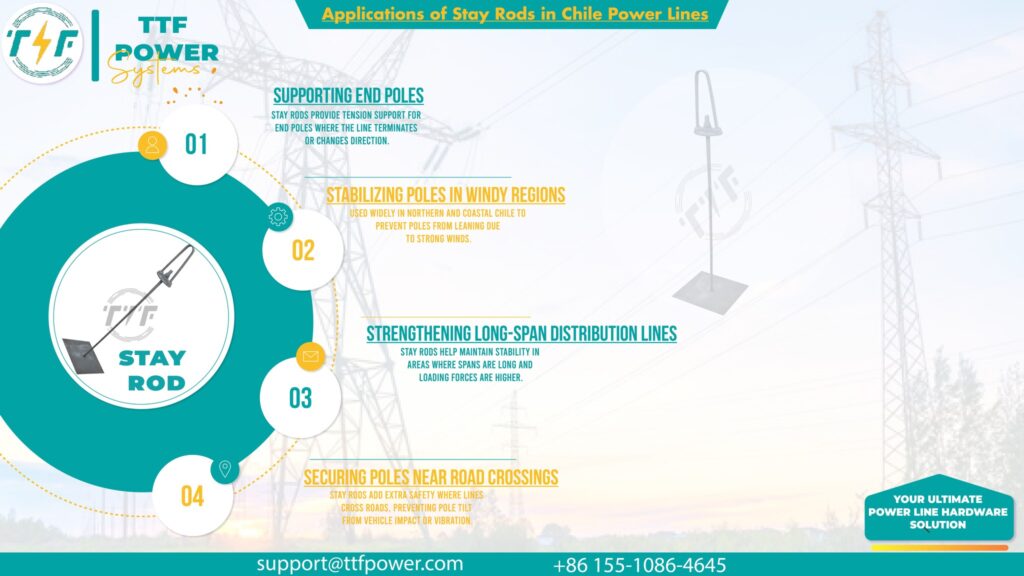
Stay rods maintain stability and safety across facilities that handle high pressures, heavy loads, and dynamic operating conditions. They are crucial in the development of new pipelines, liquefaction plants, and coastal terminals in Argentina’s export sector. Their key functions include:
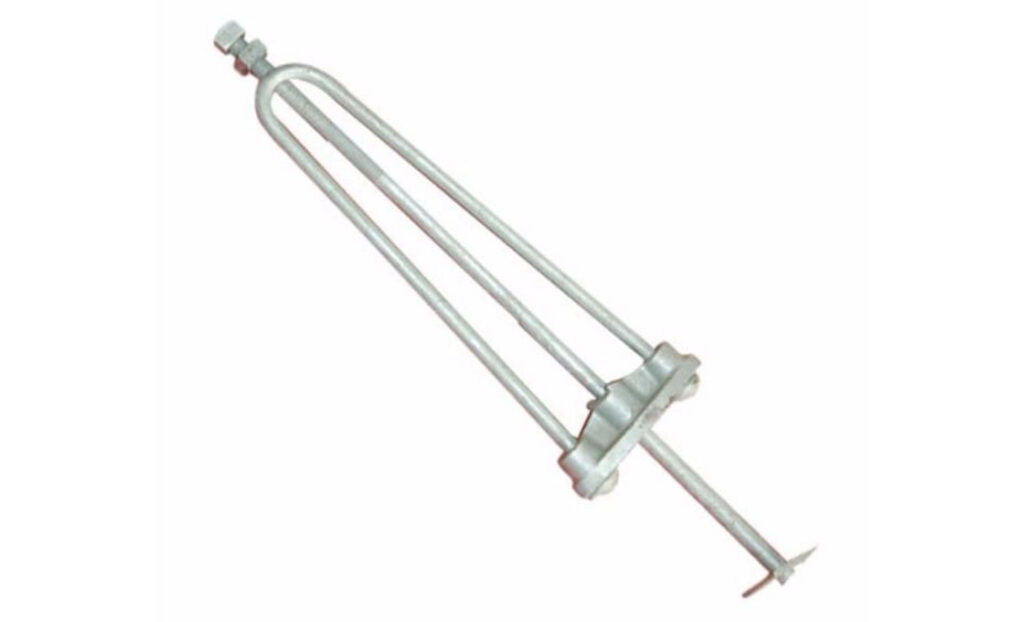
- Structural support for power and process equipment—stay rods stabilize vertical and horizontal components in LNG facilities. They secure transformers, switchgear frames, and cable-support towers.
- Load distribution for high-stress components—LNG operations involve mechanical and dynamic forces. Using stay rods helps distribute mechanical loads, keep structural members aligned, and reduce fatigue in metal structures exposed to vibrations.
- Stability for coastal LNG facilities—stay rods reinforce tall structures and provide lateral stability against high winds in these regions. By supporting structural resilience, stay rods ensure safe operations during weather events.
- Stability for cryogenic pipeline supports – stay rods maintain correct alignment for LNG pipelines supporting cooled gas. They support adjustable guides and anchors along pipe racks.
Technology integration and processing requirements for Argentina’s LNG
The integration of technologies such as onshore terminals and floating LNG is essential for safety, efficiency, and competitiveness in the LNG market. These innovations ensure the consistency and export quality needed to support long-term contracts. These technology integrations include:
- LNG quality and safety requirements—the LNG industry must align with global standards such as ISO, API, and IEC. Compliance enhances safety, reliability, and commercial confidence among international buyers.
- Cryogenic storage and transfer technologies—these technologies enable efficient operations from Argentina’s coastal terminals and FLNG units. They include full-containment LNG storage tanks, floating storage units, and high-integrity transfer systems.
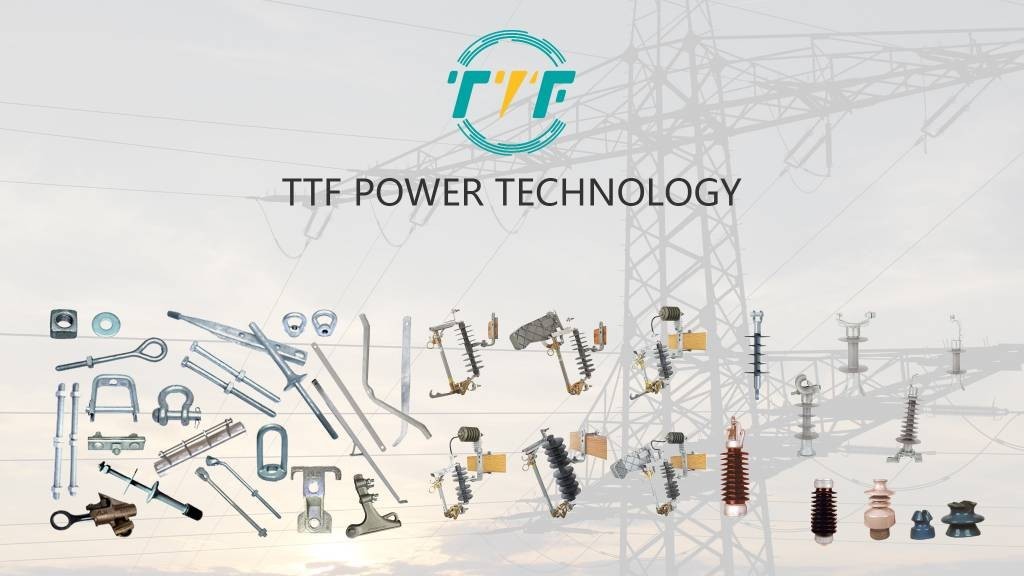
- Power system integration—the LNG plants depend on electrical capacity systems. These include substations, smart power distribution, and components like stay rods. This is crucial to maintain LNG production and meet export schedules.
- Digitalization and automation—these technologies enhance reliability and operational performance. The systems include SCADA, AI-driven optimization, digital twins, and IoT sensor networks.