
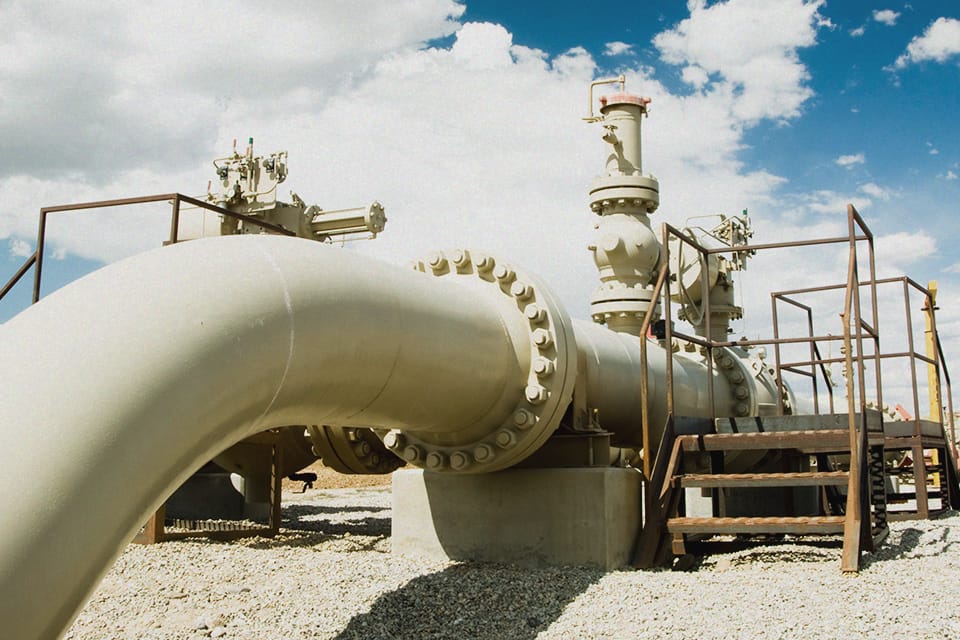
After the deflagration in a natural gas pipeline operated by Transportadora de Gas del Peru, Peru activated emergency measures through the Ministry of Energy and Mines to protect energy security and maintain continuity of services. Compressed natural gas is a primary fuel for urban bus fleets where interruptions threaten public mobility and economic productivity. The new strategy measures may include reallocation of gas volumes from interruptible industrial contracts, controlled reduction of consumption, and pressure stabilization. Additionally, natural gas supply balancing during infrastructure disruptions involves demand triage. The controlled redistribution mitigates system shock while preserving services essential to national stability. Natural gas infrastructure development reduces reliance on imported liquid fuels, stabilizes electricity generation costs, and provides dispatchable energy to complement hydropower. This development relies on ACSR cables to deliver power to production and transportation facilities.
ACSR cables serve in overhead power lines to transmit electricity from power sources to natural gas production facilities. Gas production facilities need large electrical power to operate pumps, compressors, and control systems. The steel core of the cables provides the necessary strength to support the cable’s weight and environmental loads. This is crucial for connecting remote gas fields to the main electrical grid. In offshore oil and gas platforms, ACSR serves in overhead cables. The cables must withstand harsh conditions like corrosion, high winds, and mechanical stress. ACSR cables are ideal for electrical connections due to their durability and strength.
Quality assurance for ACSR cables used in Peru’s natural gas facilities

Quality assurance for ACSR cables in natural gas production protects power reliability, operational continuity, and personnel safety. ACSR conductors serve in power distribution systems supplying wells, processing plants, compression units, and auxiliary infrastructure. Quality assurance ensures conductors meet mechanical, electrical, and environmental performance criteria. QA begins through material quality control, manufacturing process assurance, mechanical performance testing, electrical performance verification, corrosion protection, and handling controls. Quality assurance is an integrated lifecycle discipline that consists of design validation, procurement control, installation oversight, and performance monitoring. It also prevents failure that could interrupt production, compromise safety systems, or trigger downtime. Ensuring their reliability impacts gas extraction, compression operations, emergency shutdown systems, and safety instrumentation.
Functions of ACSR cables in Peru’s natural gas facilities
ACSR cables ensure reliable electrical transmission across production, processing, and compression infrastructure in natural gas facilities. ACSR cables serve in overhead distribution networks that power essential mechanical and control systems. Here are the functions of the ACSR cables in natural gas facilities in Peru.
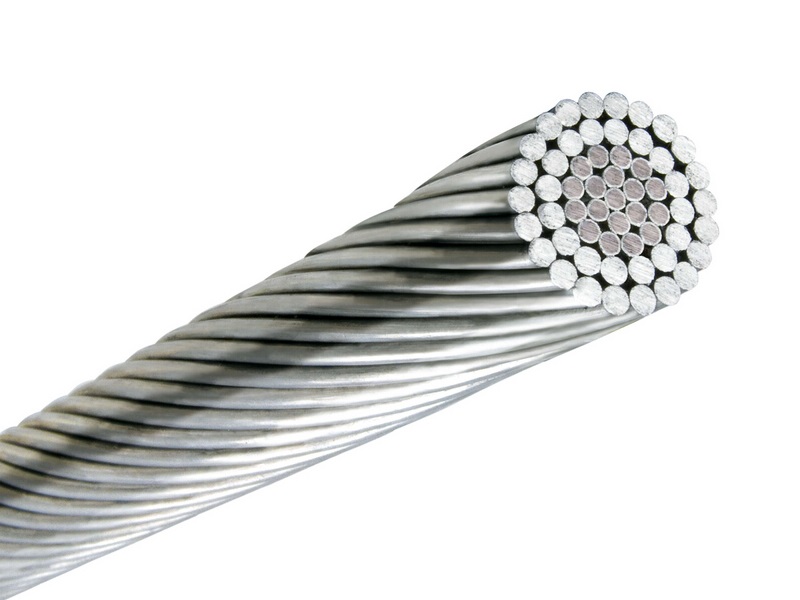
- Power transmission to remote production sites—ACSR cables transmit medium- and high-voltage electricity from substations to well pads. They also enable electrification of remote installations without reliance on diesel generators.
- Supplying compression stations—gas compression stations maintain pipeline pressure to transport gas over long distances. ACSR conductors supply electrical energy to electric-driven compressors, auxiliary pumps, cooling systems, and monitoring and control equipment.
- Monitoring systems support—ACSR-supported distribution networks power SCADA systems, gas detection equipment, emergency shutdown mechanisms, and communication systems. This supports operational safety and regulatory compliance.
- Supporting processing and separation facilities—ACSR-based overhead distribution lines power control systems, instrumentation panels, and mechanical processing units.
- Grid interconnection and backup supply—ACSR conductors link substations to facility loads, support interconnection between power sources, and enable load balancing and redundancy.
Impacts of natural gas development in Peru’s energy sector
Natural gas development reshapes Peru’s energy sector, supported by production from the Camisea basin. The expansion of gas resources influences electricity generation, industrial competitiveness, fiscal revenues, and energy security. Key impacts include:
- Transformation of the power generation mix—natural gas development leads to the expansion of combined-cycle gas turbine plants, reduced dependence on imported diesel and fuel oil, and lower marginal generation costs.
- Strengthening energy security—gas production reduces Peru’s exposure to volatile international oil markets. This leads to decreased import dependency for liquid fuels, greater price predictability, and improved balance of payments.
- Urban energy access expansion—development of urban distribution networks leads to reduced household energy costs. This is as compared to LPG and cleaner combustion and improved indoor air quality. This leads to expanded access to modern and lower-emission energy services.
- Public transport and environmental gains—compressed natural gas adoption in urban bus fleets has reduced particulate matter emissions and lowered fuel costs for operators.
- Infrastructure development and investment flows—natural gas development lead to pipeline construction, processing plant investments, urban distribution expansion, and power plant construction. This in return strengthens the energy infrastructure basebase.