
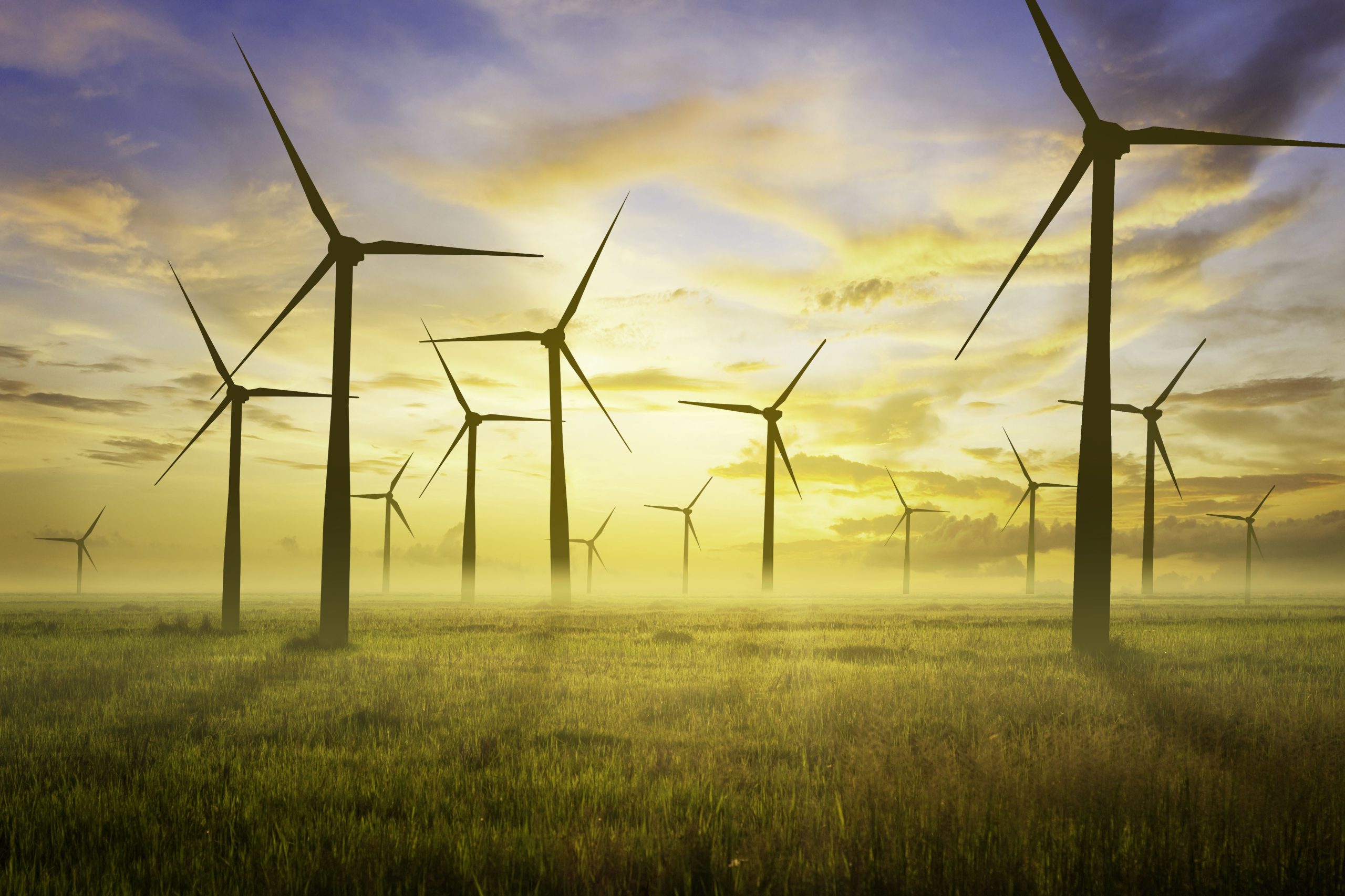
Engie Chile has obtained environmental clearance for a new onshore wind facility in the Biobio region. The initiative has a capacity of 171.6 MW, featuring 26 turbines, each rated at 6.6 MW. It will incorporate a battery energy storage system to capture, retain, and deliver power. The construction stage is set to start in 2026, aiming for commercial operation in 2028. The wind farm’s annual output is estimated at 405 GWh, which could help decrease dependence on fossil fuel generation in Chile. Battery storage initiatives combined with wind projects assist in stabilizing the grid and accommodating fluctuating energy sources. For example, the El Rosal initiative introduces an extra hybrid asset to the portfolio, aiding in national goals for decarbonization and energy stability. Engie Chile’s approach to wind energy focuses on capturing renewable resources and implementing hybrid systems. Span clamps function within the electrical framework of wind farms and substations
Span clamps ensure the operational safety and reliability. The clamps manage the cables along their vertical path. The span clamps protect the cables from abrasion, friction, and mechanical stress. They reduce the risk of electrical faults, disconnections, and short circuits. Span clamps help guarantee the full electrical capacity generated by the turbine. They protect the cables from mechanical wear and tear and extend their operational life. They help reduce the frequency and cost of maintenance. Span clamps provide a structured and organized method for routing cables during construction.
Quality assurance for span clamps used in Chile’s wind projects
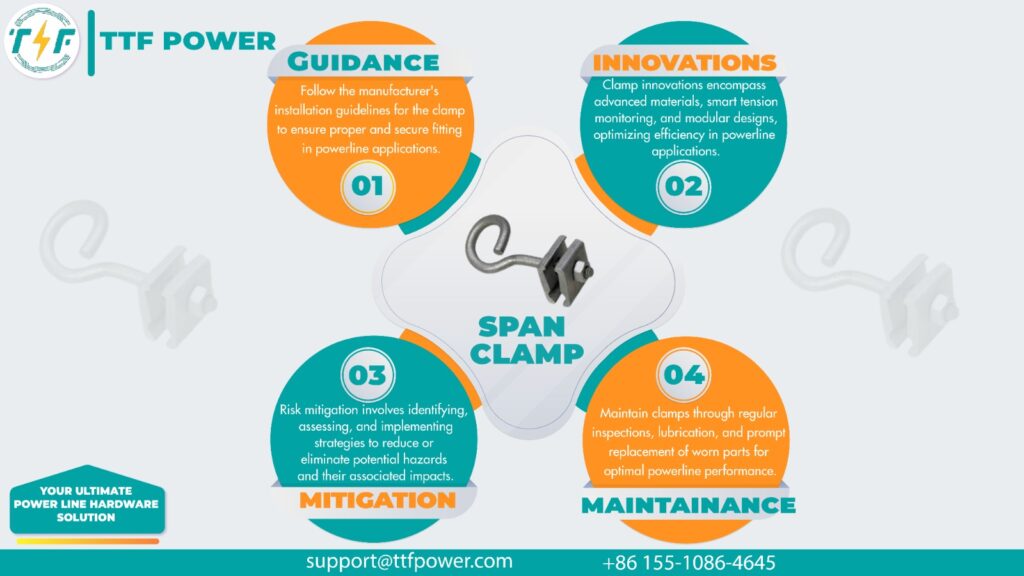
Quality assurance for span clamps maintains the structural reliability and electrical integrity of overhead transmission and distribution lines connecting wind farms and the grid. These clamps secure conductors along straight sections of overhead lines. They ensure proper alignment, load distribution, and electrical continuity. Enhanced quality assurance ensures that the clamps perform under demanding mechanical and environmental conditions. The QA process starts with material verification to ensure mechanical strength and corrosion resistance. Conducting tests ensures that the materials used can withstand loads and harsh environmental conditions. Quality assurance during manufacturing ensures that span clamps are produced within strict dimensional tolerances. Key checks during manufacturing include dimensional inspection, monitoring casting, surface finishing, and verification of bolt threading. Quality assurance guarantees that span clamps can withstand the demanding operating conditions related to wind infrastructure.
Key functions of span clamps in wind project development in Chile
Span clamps secure conductors along straight sections of transmission lines between towers or poles. The clamps ensure electrical continuity, structural stability, and operational reliability of the transmission infrastructure. Here are the functions of span clamps in wind project development.
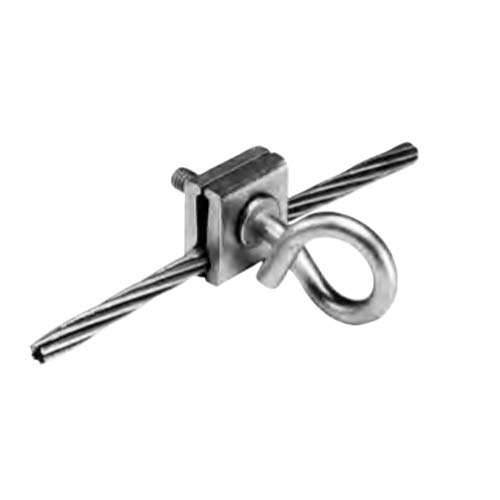
- Securing conductors—span clamps hold electrical conductors along straight spans between structures. They grip the conductor without causing mechanical damage.
- Maintaining electrical continuity—span clamps provide reliable electrical contact between conductor sections. Span clamps maintain low-resistance electrical pathways supporting energy transfer.
- Distributing mechanical loads—these clamps help distribute mechanical loads along the conductor. They reduce stress concentrations that could damage the conductor.
- Supporting grid integration of wind energy—span clamps support renewable generation sites and power networks. They ensure that the conductors used in the transmission lines remain secured and electrically connected.
- Enhancing transmission line reliability—the clamps contribute to the durability of transmission lines. This is by preventing conductor slippage, reducing mechanical wear, and maintaining proper conductor alignment.
Infrastructure and technologies aiding wind farm advancement by Engie Chile.
The growth of wind energy in Chile relies on a cohesive network of transmission systems, digital management technologies, hybrid energy storage options, and regulatory alignment. The development of Engie Chile’s wind portfolio demonstrates a cohesive strategy integrating generation resources, grid connectivity, and energy storage solutions. These consist of:
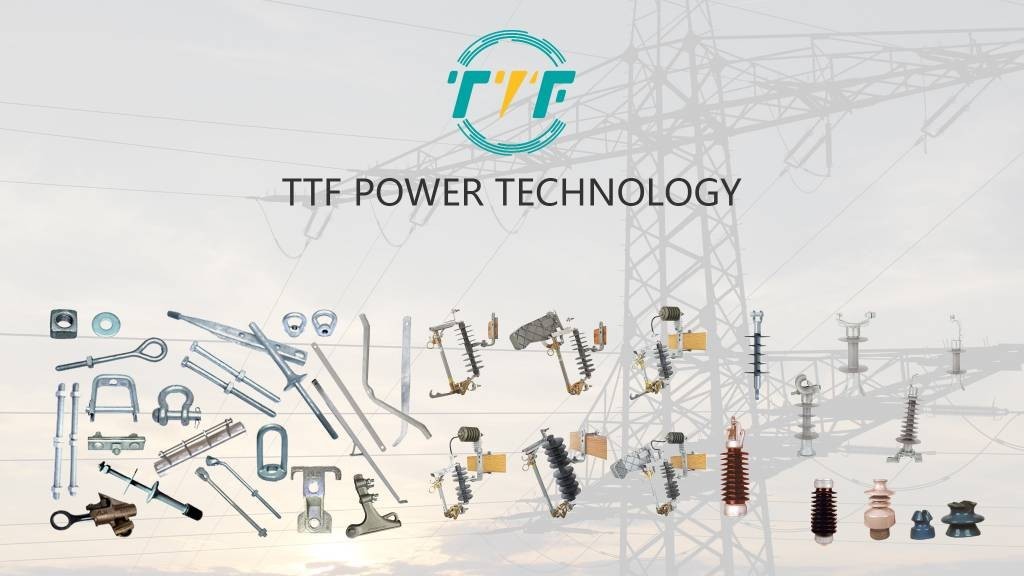
- Transmission infrastructure and grid integration—these encompass high-voltage substations, step-up transformers, collection systems, and reactive power compensation systems.
- Utility-scale wind turbine technology—current Engie wind initiatives use high-capacity turbines tailored for wind conditions in Chile. The technology features variable-speed generators, cutting-edge blade aerodynamics, direct-drive mechanisms, and condition monitoring systems.
- Battery energy storage systems—wind initiatives use lithium-ion battery setups, battery administration systems, energy control systems, and power conversion units.
- Digitalization and intelligent grid technologies—essential systems comprise SCADA, remote monitoring and diagnostics, real-time data analytics tools, and predictive maintenance algorithms. It features the application of digital twin models and AI-driven forecasting that enhances the accuracy of wind generation predictions, maintenance planning, and grid stability forecasts