
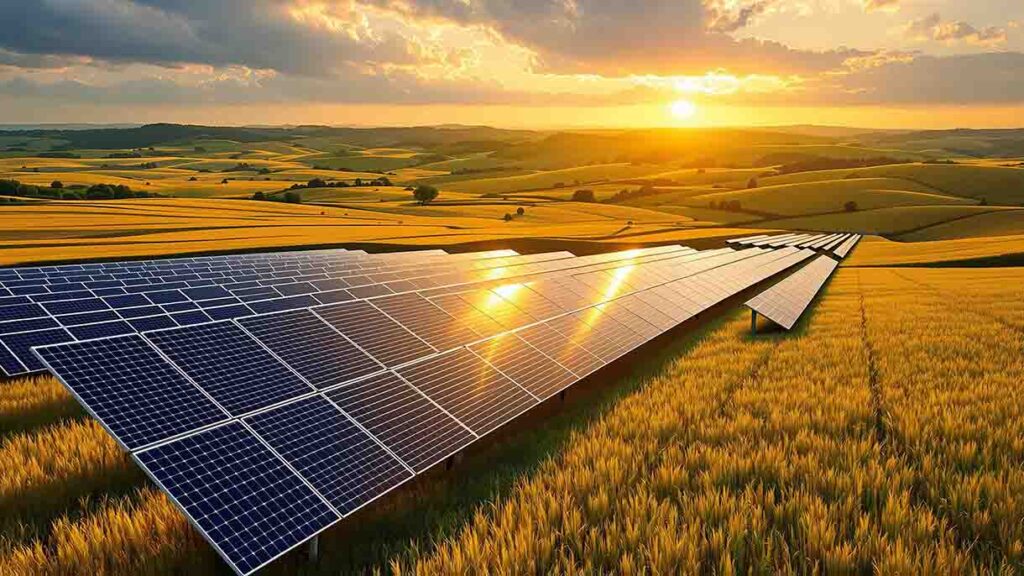
Solar project development in Peru by Zelestra, a renewable energy company, represents a major advancement in the renewable energy landscape. The Babilonia solar PV plant is expanding utility-scale solar generation and supporting the modernization of Peru’s power infrastructure. These developments influence electricity production, grid stability, and industrial energy supply. Zelestra has been investing in large-scale solar infrastructure in Peru in regions with high solar irradiation. The company’s strategy involves building utility-scale photovoltaic plants that generate electricity for the grid. The project development includes construction of large solar farms exceeding 200 MW capacity, integration of advanced photovoltaic technologies, and development of supporting transmission and substation infrastructure. The Babilonia solar project has a 242 MWdc capacity. The development includes improvements in high-voltage transmission networks, grid interconnection substations, power monitoring and control systems, and protection equipment for solar distribution systems. These developments use insulator pins for robust connections.
Galvanized steel pins offer both electrical and mechanical functions in solar projects. The insulator pin fastens energized electrical conductors to their support structures. They prevent the current from flowing into the structures. Insulator pins are crucial in the challenging environmental and geographical conditions in Peru. These conditions include high humidity, extreme UV radiation, and high winds.Insulator pins provide non-conductive barriers between live wires and support structures. This prevents electrical leakage, short circuits, and arcing. Additionally, the pin supports and secures overhead lines that connect solar plants to substations and the national grid. This helps handle the weight and tension of conductors. The insulator pin enables the interconnection of new solar farms to population centers by withstanding line tension.
Quality assurance for insulator pins used in solar projects
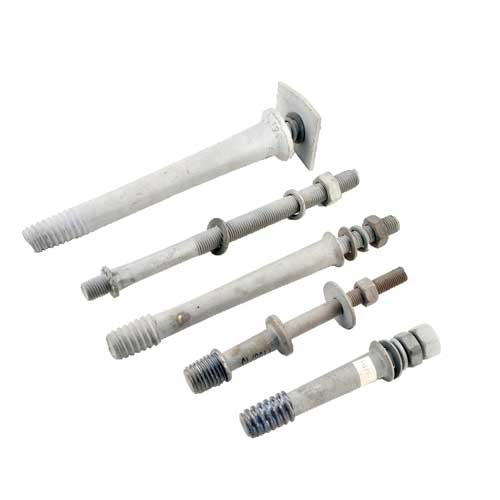
Enhancing quality assurance for insulator pins ensures mechanical stability, electrical insulation reliability, and performance of distribution infrastructure. Solar farms need extensive medium-voltage distribution networks connecting inverters, transformers, and substations to the grid. Quality-assured insulator pins support line insulators and maintain conductor spacing on distribution poles. Compliance with standards ensures that the component meets the electrical and mechanical requirements needed for solar energy infrastructure. Quality assurance starts with the inspection of materials used to manufacture insulator pins. It ensures the components withstand mechanical loads from conductors and environmental stresses. The process also includes mechanical strength testing, corrosion protection testing, thread inspection, surface quality inspection, and field inspection. Effective QA practices contribute to the stability and efficiency of solar energy infrastructure.
Key functions of insulator pins in solar project development in Peru
Insulator pins serve in the overhead distribution infrastructure supporting solar power projects. Insulator pins help mount line insulators on distribution poles and support conductors. These conductors transmit electricity from solar plants to substations. Here are the functions of the insulator pins in solar project development.
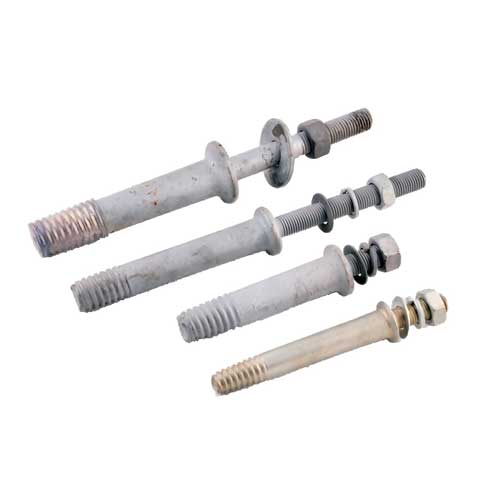
- Supporting line insulators on distribution structures—the insulator pin provides the threaded base that holds pin-type insulators. They maintain the proper positioning of insulators on poles and ensure mechanical stability for overhead conductors.
- Maintaining electrical insulation—insulator pins help maintain electrical separation between energized conductors and grounded pole structures. The pins hold the insulator at a fixed position, prevent current leakage from conductors, and support safe voltage clearance levels.
- Providing mechanical strength for conductors—Insulator pins provide mechanical strength and stability to the project. They do so by supporting the insulator that carries the conductor.
- Ensuring safe power transmission from solar plants—the pins support distribution lines within the solar plant, maintain conductor spacing, and enable safe routing of electricity to step-up transformers and substations.
Impacts of Zelestra’s solar project development in Peru’s energy sector
Zelestra’s solar project is expanding Peru’s renewable capacity, strengthening power infrastructure, and speeding up the transition toward a diversified and sustainable energy mix. Solar generation produces economic, technical, and environmental impacts in Peru’s energy sector. Key impacts include:
- Expansion of renewable energy capacity—solar plants contribute to increased installed renewable power capacity. It also reduces dependence on fossil fuel-based generation.
- Modernization of power infrastructure—solar projects need advanced infrastructure for power generation, conversion, and transmission.
- Increased investment in energy infrastructure—the development leads to growth in renewable energy financing, development of new energy infrastructure projects, and expansion of the renewable project pipeline.
- Support for industrial energy demand—the solar project provides electricity supply through power purchase agreements. It also reduces dependence on fossil fuel-based electricity.
- Development of renewable energy hubs—renewable energy hubs provide shared transmission infrastructure, reduced grid connection costs, and concentrated renewable generation zones.