
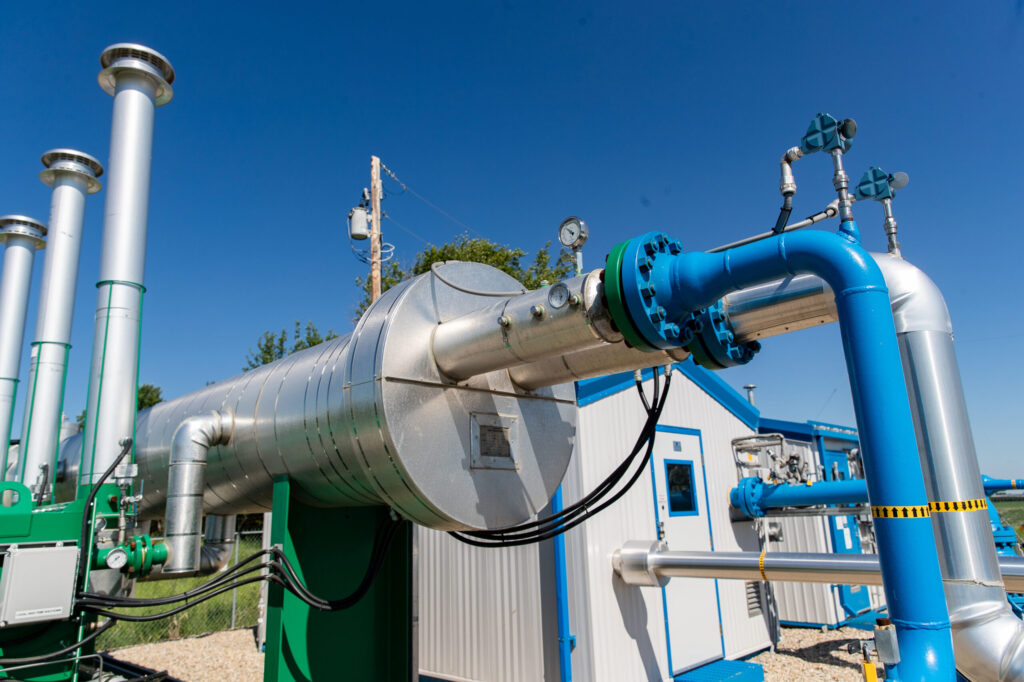
The rupture of the Transportadora de Gas del Perú’s natural gas pipeline impacts power plants in Peru. The 730 km duct transports Camisea gas and natural gas liquids from the Amazon to Lima on the coast. Power plants in Peru depend on upstream production infrastructure, long-distance transmission pipelines, and downstream infrastructure. The rapture led to market volatility, which shows the need for integrated and resilient infrastructure. This will push the country to evolve toward a hybrid model where reinforced gas systems and expanding renewable capacity enhance reliability, durability, and energy security. By integrating natural gas with renewables, Peru will strengthen system resilience and energy production. This will depend on a diversified generation base, energy storage systems, and hybrid power systems. The pipeline will need advanced inspection, reinforced coatings, and corrosion protection. These systems use robust power line hardware such as crossover clamps to maintain precise spacing between pipes.
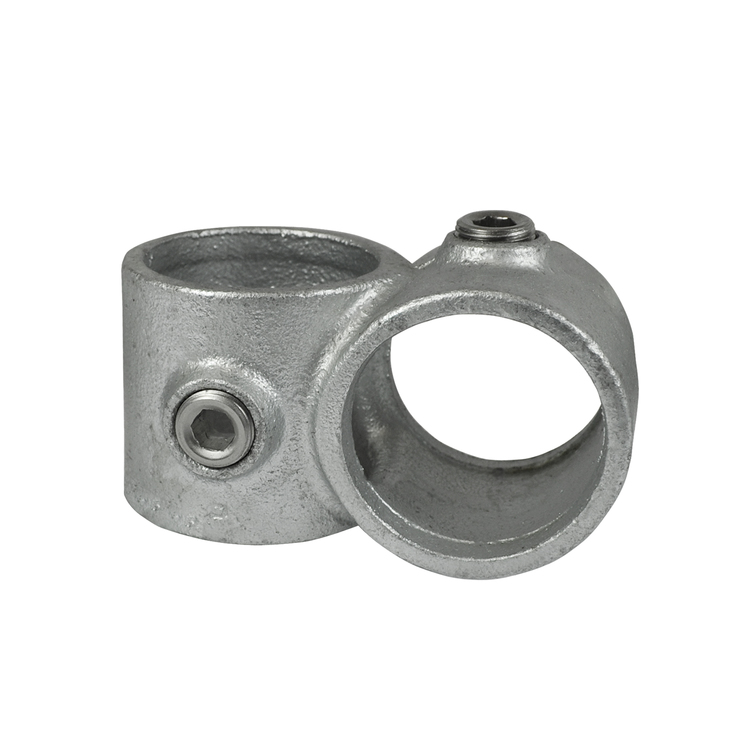
High-quality clamps prevent pipes from rubbing against each other due to wind or vibration. They allow pipes to be stacked vertically to manage the crossover of utilities. Crossover clamps act as anchor clamps, locking the pipe in place at specific points to control where thermal expansion occurs. Using crossover clamps fitted with non-metallic runners centers the gas pipe inside the casing. This prevents the metal pipe from touching the metal casings, which could cause corrosion or damage. The clamps attach small-diameter tubes such as instrument air, hydraulic lines, or fiber optic cables to the main gas pipe. This provides sensitive control lines necessary for the renewable-powered monitoring system that are secured without being welded onto the high-pressure pipe.
Quality assurance and materials for crossover clamps used to integrate the gas pipeline with renewables
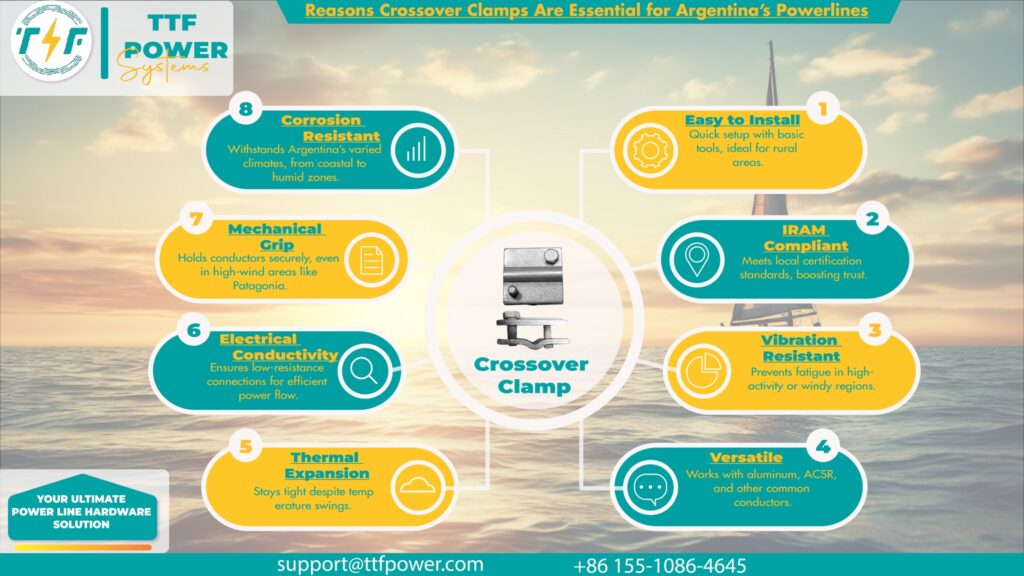
Selecting the right material and enhancing quality assurance for crossover clamps ensures safe integration between gas pipelines and renewable energy infrastructure in Peru. Crossover clamps provide reliable electrical continuity while maintaining structural strength. Materials such as copper and copper alloys, aluminum alloys, and galvanized or stainless steel offer structural strength. The clamps may also have treatments and coatings to avoid premature degradation in diverse environmental conditions. The quality assurance process includes material verification through mill tests, mechanical property testing, and conductivity testing for copper and aluminum components. QA also includes dimensional checks, electrical performance tests, mechanical tests, corrosion tests, and compatibility with cathodic protection. Quality assurance helps the clamp deliver mechanical strength, electrical reliability, and corrosion resistance under dynamic conditions.
Functions of crossover clamps in natural gas pipeline integration with renewable energy infrastructure
Crossover clamps are mechanical and electrical components in the interface between gas pipelines and renewable energy infrastructure. Crossover clamps enhance safe integration, grounding integrity, and long-term durability. Here are the key functions of the clamps in the infrastructure.
- Electrical bonding and continuity – crossover clamps ensure low resistance electrical continuity between metallic components. They prevent voltage differentials that cause arcing and localized corrosion due to stray currents.
- Grounding and fault current dissipation—crossover clamps provide a safe path for fault current dissipation and lightning protection through bonded grounding networks.
- Mechanical securing at crossings—the clamps serve at intersections between pipelines and power transmission lines, pipeline and cable routes, and pipeline support structures. The clamps secure conductors to the pipeline and maintain alignment. They also prevent mechanical displacement.
- Support for hybrid infrastructure layouts—crossover clamps enable flexible bonding between pipeline systems and electrical infrastructure. They also allow modular integration of new renewable assets without compromising pipeline safety.
Impacts of ruptured natural gas pipelines in Peru’s energy sector
The rupture of the Transportadora de Gas del Perú pipeline produces structural impacts that affect generation, pricing, infrastructure reliability, and energy security. This pushes Peru to diversify its generation mix, strengthen infrastructure resilience, and expand renewable capacity and storage. These impacts include:
- Disruption to power generation—a pipeline rupture causes forced shutdowns, loss of baseload capacity, and increased reliance on hydroelectric plants.
- Electricity supply and grid stability impacts—gas plants provideflexibility to balance demand fluctuations. Their absence leads to reduced ability to respond to peak demand and increased risk of supply shortages.
- Energy security and system vulnerability—the rupture exposes Peru’s overreliance on a single transport line and lack of backup infrastructure.
- Renewable energy integration strategy—the rupture leads to increased focus on solar, wind, and storage as a risk mitigation tool. Renewables also gain importance as non-fuel-dependent generation sources.