
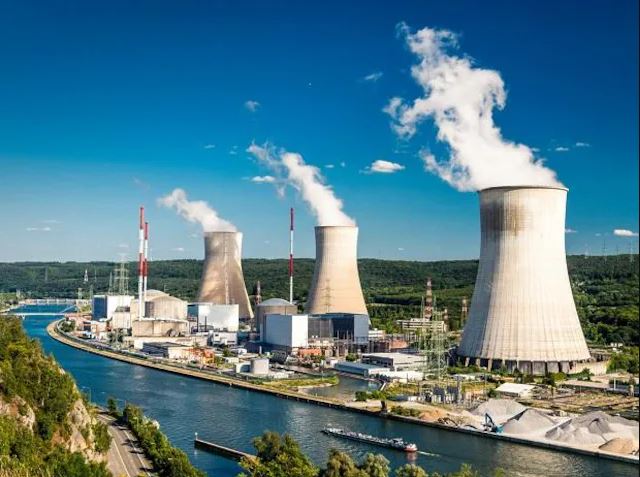
Genneia is positioning itself as a key player in Argentina’s grid modernization through renewable expansion and large-scale energy storage integration. The planned addition of 240MW of new projects by 1Q27 increases the company’s renewable and storage portfolio of 1.8GW. This reflects a broader shift in Argentina’s energy strategy toward flexibility, resilience, and lower-carbon infrastructure. Genneia is also participating in the AlmaSADI storage auction, which highlights the growing importance of battery energy storage systems in stabilizing the power network in Argentina. The new renewable projects will strengthen Argentina’s clean energy capacity while helping reduce pressure on aging thermal generation assets. The expansion contributes to increased renewable penetration, reduced fossil-fuel dispatch dependence, and greater generation diversification. This expansion will lead to transmission optimization, deferred grid expansion costs, improved renewable integration, and enhanced regional energy security. These interconnections use compression splices to ensure the physical and electrical integrity of the power systems.
Compression splices provide reliability, safety, and efficiency for modern and hybrid energy operations. The splices create a permanent and low-resistance electrical connection between two conductors. They compress conductors together with a specialized tool to form a stronger joint. This helps maintain grid stability, reduce energy loss, and handle high power transfer. Additionally, compression splices can handle tension, thermal expansion, vibration, and environmental conditions. The splices are from corrosion-resistant materials designed to withstand extreme temperatures, moisture, dust, and UV exposure. Compression splices allow new battery storage facilities to be safely spliced into existing transmission or distribution lines connecting the BESS to solar farms, wind plants, or substations.
Quality assurance for compression splices used in thermal plants and BESS integration infrastructure
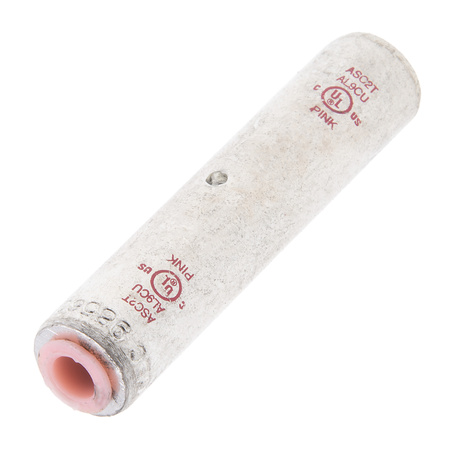
Quality assurance for compression splices in thermal plants and BESS integration infrastructure ensures continuous current flow across transmission and distribution networks. Compression splices join electrical conductors mechanically and electrically. Their reliability affects grid stability, electrical efficiency, thermal performance, infrastructure safety, and operational continuity. Effective QA procedures prevent failures that could disrupt energy delivery and damage infrastructure. Quality assurance prevents localized heating, increased resistance losses, connector oxidation, mechanical loosening, and arc faults. QA programs ensure that compression splices maintain electrical conductivity, mechanical integrity, thermal stability, and corrosion resistance. The process includes verifying raw materials, dimensional accuracy verification, compression performance testing, electrical performance testing, and corrosion resistance testing.
Uses of compression splices in thermal plant integration infrastructure
Compression splices create secure mechanical and electrical connections between conductors. They do so while maintaining low-resistance current flow under demanding operating conditions. Compression splices aid power transmission continuity, grid reliability, thermal stability, mechanical conductor integrity, and operational safety. Here are the key roles of compression splices in the infrastructure.
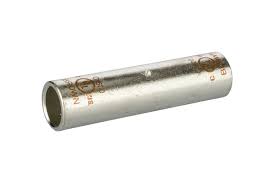
- Electrical conductor continuity – the splices ensure continuous flow between transmission line conductors, substation cable sections, thermal plant output circuits, and BESS interconnection cables.
- Mechanical conductor connection – compression splices provide strong mechanical bonding between conductors. They help maintain tensile strength continuity, structural conductor stability, vibration resistance, and alignment integrity.
- Power evacuation from thermal plants—the splices support efficient transfer of generated electricity from the plant into the national transmission network.
- Integration of BESS – the compression splice connects battery rack conductors, inverter systems, DC busbars, transformer interfaces, and grid export cables.
Impacts of Genneia’s thermal plant integration with BESS in Argentina’s energy sector
The integration of Genneia thermal plants with BESS could reshape Argentina’s electricity sector. This is by improving grid flexibility and renewable integration and reducing dependence on inefficient fossil-fuel dispatch. Hybrid thermal-storage systems are emerging as an important transitional solution for maintaining reliability. They do so while lowering the carbon intensity of electricity generation. Key impacts include:
- Enhancement of grid stability and reliability – combining thermal generation with battery storage can improve frequency regulation, voltage support, and spinning reserve management.
- Reduction of fossil-fuel dispatch dependence – storage systems can absorb this balancing by delivering short-duration peak power, managing frequency fluctuations, and reducing reliance on rapid gas-turbine ramping. This reduces natural gas consumption, thermal cycling stress on turbines, and greenhouse gas emissions.
- Optimization of thermal plant operations – BESS integration allows thermal plants to operate more efficiently. This decreases maintenance costs, fuel inefficiency, mechanical wear, and operational emissions intensity.
- Increased grid flexibility—the integration enables faster dispatch response, load-shifting capability, black-start support, and congestion management.