
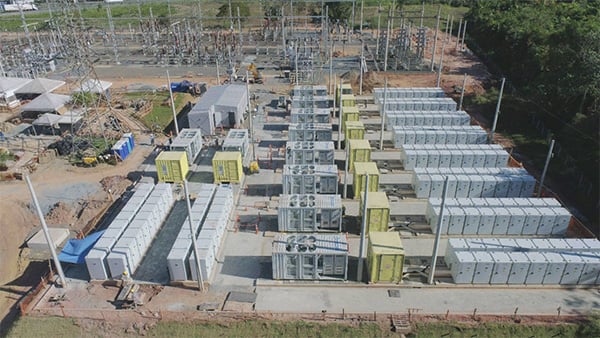
Argentina is offering a tender for the connection of new Battery Energy Storage System (BESS) projects totaling up to 100 MW/500 MWh. Its goal is to recognize three initiatives: 40MW/200MWh BESS Isla Verde, 30MW/150MWh BESS Villa Maria, and 300MW/150MWh BESS Bialet Masse. This launch marks progress in incorporating utility-scale batteries into the grid system of Argentina. Argentina’s electricity system encounters fluctuations due to changes in water resources, limitations in thermal generation, and transmission congestion. The establishment of the three system-level BESS provides peak shaving and load balancing, stabilization of renewable energy, and grid stability services. This advancement provides adaptability in system dimensions while guaranteeing compatibility with the grid. The growth of BESS in Argentina leads to changes in grid infrastructure design. This progress impacts transmission planning and system dependability. BESS infrastructure necessitates shackle insulators to guarantee the secure and dependable linkage of battery storage initiatives to the power grid
Shackle insulators create an insulated terminal point for electrical conductors to prevent current leakage. It also reduces the risk of electrical hazards for maintenance personnel working on the BESS connection. Shackle insulators provide mechanical strength to handle conductor tension at critical connection points. They ensure proper conductor alignment and withstand mechanical stress to maintain a stable physical connection between the BESS and the grid. The insulators reduce the risk of electrical faults in the systems. This helps improve the reliability of the BESS connection and reduces the frequency of outages. Modern shackle insulators resist environmental stresses such as UV exposure, pollution, moisture, and mechanical fatigue. This ensures long service life for the connection point and reduces maintenance needs for the BESS facility.
Quality assurance for shackle insulators in BESS facilities
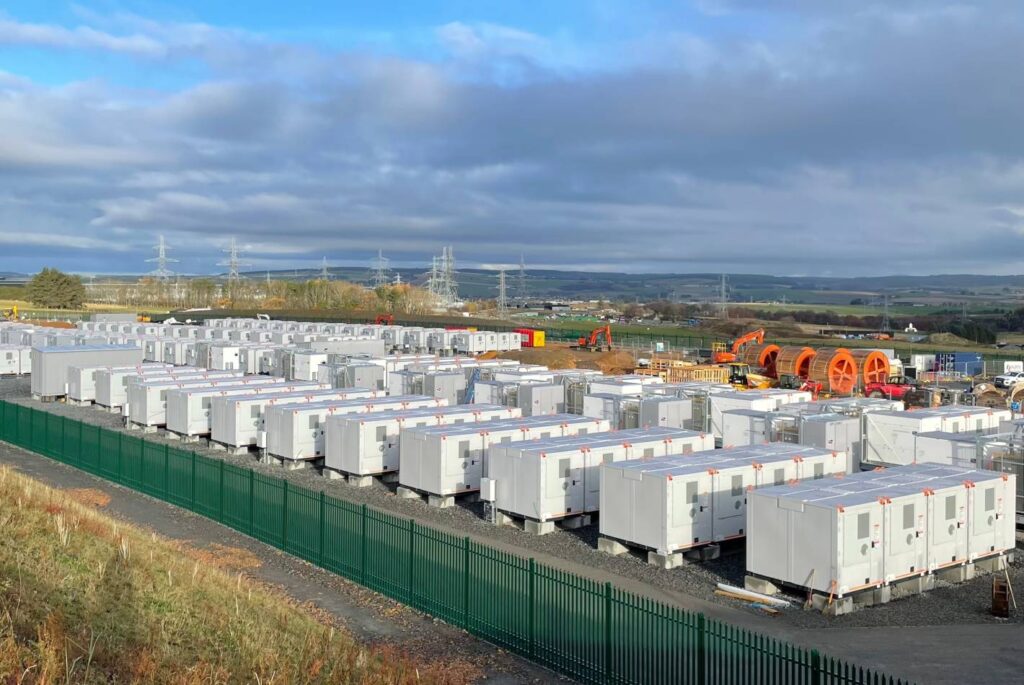
Quality assurance for shackle insulators in BESS focuses on electrical reliability, mechanical integrity, and environmental durability. The insulators serve in low to medium-voltage distribution interfaces, auxiliary systems, and control infrastructure within BESS plants. QA begins by checking the materials for homogeneity and UV resistance and verifying corrosion resistance and tensile strength. Shackle insulators face mechanical loads from conductors in outdoor installations. QA protocols include tensile strength to verify load-bearing capacity, cantilever and bending tests, and impact resistance to assess handling and installation durability. The insulator also undergoes electrical performance testing, aging tests, and visual inspection. The quality assurance process should align with recognized standards such as IEC and ANSI. QA reduces failure risk, supports grid reliability, and ensures operational performance under demanding conditions.
Functions of the shackle insulators in Argentina’s BESS facilities development
The expansion of Argentina’s BESS relies on grid stabilization needs, renewable integration, and distributed energy deployment. Shackle insulators are crucial at the distribution and auxiliary infrastructure level. Here are the roles of shackle insulators in the BESS infrastructure.
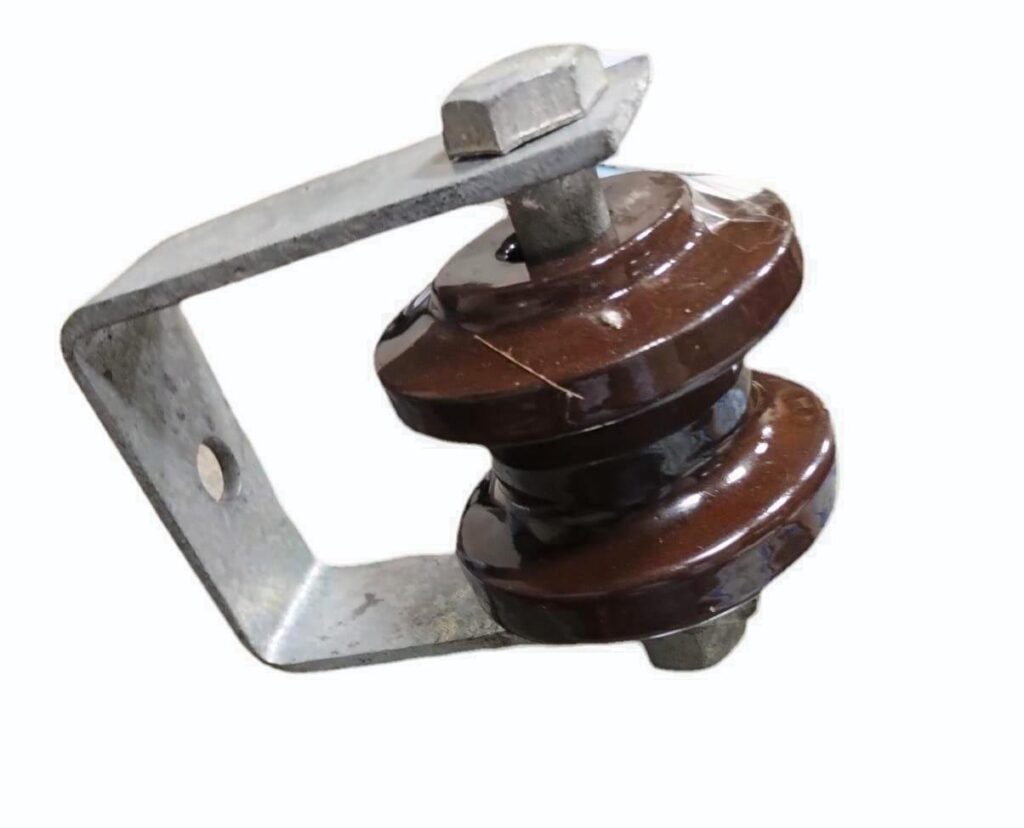
- Electrical isolation in BESS distribution interfaces – shackle insulators electrically isolate conductors from grounded structures such as poles, steel frames, and mounting hardware. They prevent leakage currents and unintended grounding.
- Mechanical support for low-voltage and auxiliary lines—shackle insulators support and anchor conductors on poles, maintain conductor positioning, and enable stable routing of cables within the facility.
- Load management at line terminations and direction changes—the insulators are installed at end poles, serve at sharp angles, and distribute mechanical loads to reduce fracture risk.
- Integration with hybrid grid infrastructure—shackle insulators serve in low-voltage interconnections between subsystems, support overhead distribution segments, and ensure insulation continuity between renewable generation and storage nodes.
Impact of establishing BESS facilities in Argentina’s energy sector
The advancement of battery energy storage systems in Argentina influences generation costs, grid reliability, and market structure. The initiative will assist Argentina’s shift to a more adaptable, dependable, and reduced-carbon energy framework. The key influence is outlined in the following discussion.
- Improvement of grid flexibility and stability—BESS provides frequency regulation, voltage management, and decreased dependence on spinning reserves.
- Integrating renewable energy—BESS facilitates energy shifting, ensures a smooth variable output to align with dispatch schedules, and enhances the capacity factor for renewable facilities.
- Decentralization and energy security – the storage solutions allow microgrids and local backup systems, lower reliance on centralized generation, and enhance resilience to outages.
- Digital transformation and smart grid evolution—storage solutions need sophisticated control and oversight for the implementation of energy management systems and their integration with smart grid technologies.
- Changes in generation economics—storage provides energy arbitrage that lowers price fluctuations in markets. It enhances the efficiency of base-load and mid-merit plants by minimizing ramping.