
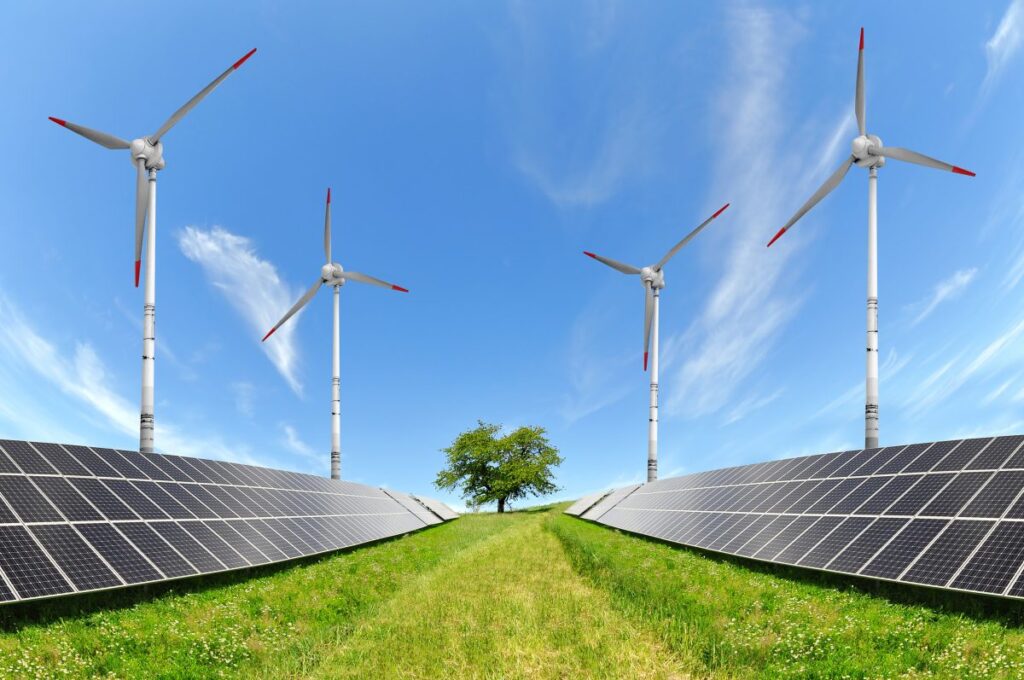
TDDL is entering the Argentine energy market with a focus on supporting energy transition, grid expansion, and infrastructure modernization. TDDL’s strategy will position the firm to influence the sector through the transmission and interconnection layer. The firm will cause the supply of mechanical and electrical line hardware that ensures secure conductor anchoring and system integrity. It also supports collector systems and transmission interconnections for utility-scale renewable projects. TDDL’s high-performance components contribute to faster project execution cycles, improved mechanical performance, and greater consistency in engineering specifications. The products also influence load distribution and mechanical stability of conductors, resistance to fatigue, vibration, and corrosion, and reduce the risk of mechanical failures. The integration with Argentina’s energy sector will allow reconductoring projects to increase capacity, enable integration with smart grids, and contribute to loss reduction and efficiency gains. These interconnections allow the use of high-performance hardware such as downlead clamps.
Downlead clamps secure vertical or inclined cables such as fiber optic lines, grounding conductors, and sensor wiring to transmission towers. The clamps ensure cables remain in place and prevent wind-induced whipping and damage, which is crucial for long transmission lines. Downlead clamps absorb mechanical stress and prevent cable damage caused by movement, tension, or vibration. They extend the lifespan of power and data cables and reduce maintenance needs in remote renewable sites. Downlead clamps connect grounding conductors from lightning protection systems to provide a safe path for lightning strike currents. The clamps also protect sensitive renewable energy equipment and ensure grid stability. The clamps also enable reliable data transmission for monitoring and controlling hybrid energy systems.
Quality assurance for downlead clamps used for grid and renewable expansion
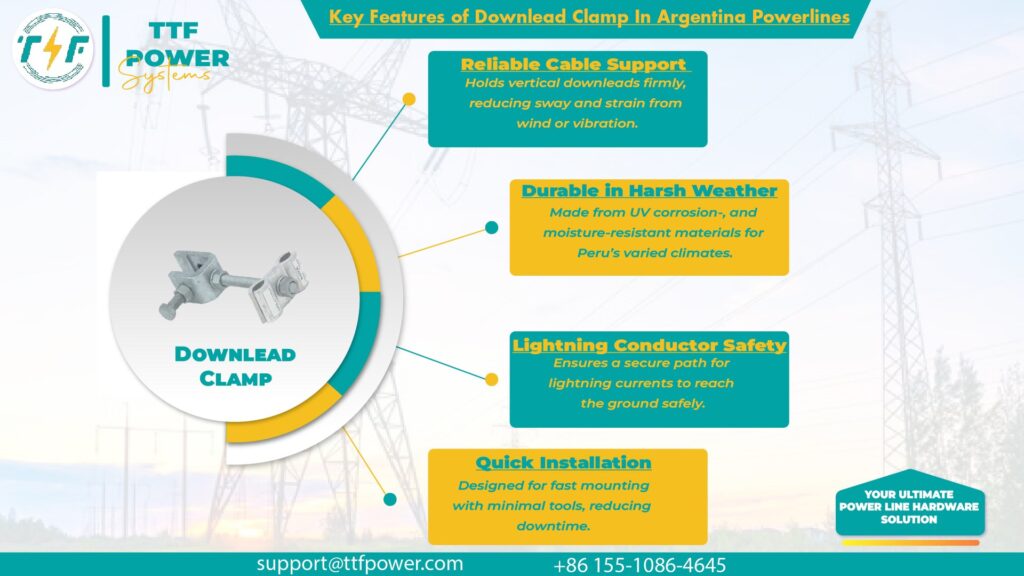
Conducting quality assurance for downlead clamps influences electrical continuity, mechanical stability, and insulation coordination. Quality assurance controls the electrical and mechanical performance of the downlead clamps. QA for the clamps focuses on material composition verification, mechanical strength validation, electrical conductivity checks, and galvanic compatibility between clamp and conductor to prevent electrochemical corrosion. The process also ensures groove profiles and diameters to match conductor size and tolerance control for bolt holes, threads, and seating surfaces. Poor dimensional control results in loose connections, localized heating, or conductor damage. QA performs inspection for burrs, sharp edges, and casting defects. It also enhances surface smoothness to avoid insulation damage or conductor abrasion. The QA process also includes mechanical and electrical performance testing, corrosion resistance, environmental tests, and installation reliability. Quality assurance reduces failure risk, reduces maintenance, and supports the reliability of grids and renewable energy infrastructure.
Functions of a downlead clamp in grid and renewable capacity expansion in Argentina
Downlead clamps manage how conductors, earth wires, and control cables are routed along structures and into substations. They influence the safety, electrical continuity, and reliability of transmission and generation assets. Here are the functions of downlead clamps in grid and renewable capacity expansion in Argentina.
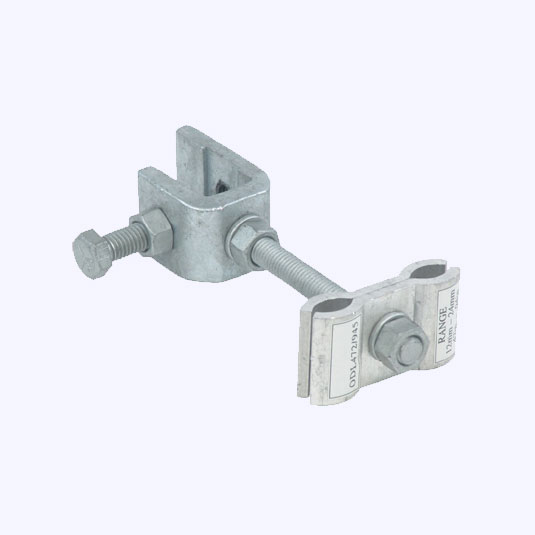
- Controlled routing of conductors and earth leads—downlead clamps secure conductors as they transition along structures. They maintain defined conductor paths from line hardware to grounding systems. They also prevent uncontrolled movement due to wind or thermal expansion.
- Grounding and lightning protection integrity—the clamps provide a continuous and low-resistance path to ground for fault currents and lightning strikes.
- Mechanical stabilization under dynamic conditions—downlead clamps anchor conductors against vibration and oscillation. They also reduce mechanical fatigue by limiting micro-movement along structures.
- Integration of renewable energy facilities—wind and solar projects need extensive internal cabling and external interconnections. The clamps secure collector system cables, route conductors safely into step-up substations, and enable organized cable management.
Influence of the collaboration in Argentina’s energy sector
Coordination and strategic alliances between companies like OEMs, utilities, and financiers influence Argentina’s energy sector. The collaboration improves project bankability and technical outcomes. Key impacts include:
- De-risking project execution and financing – large-scale transmission and renewable projects in Argentina face risk, regulatory uncertainty, and long payback periods. The alliances mitigate these through risk sharing, bankability profiles, and multilateral financing.
- Transmission expansion – collaboration between grid operators, engineering firms, and component manufacturers enables standardized design and specification frameworks.
- Integration of renewable energy – alliances ensure compatibility between turbines, inverters, substations, and grid hardware. They also enable coordinated deployment of collector systems and interconnection points.
- Technology transfer and capability building—partnerships drive the transfer of engineering standards and quality assurance practices and the development of local technical expertise and workforce skills.