
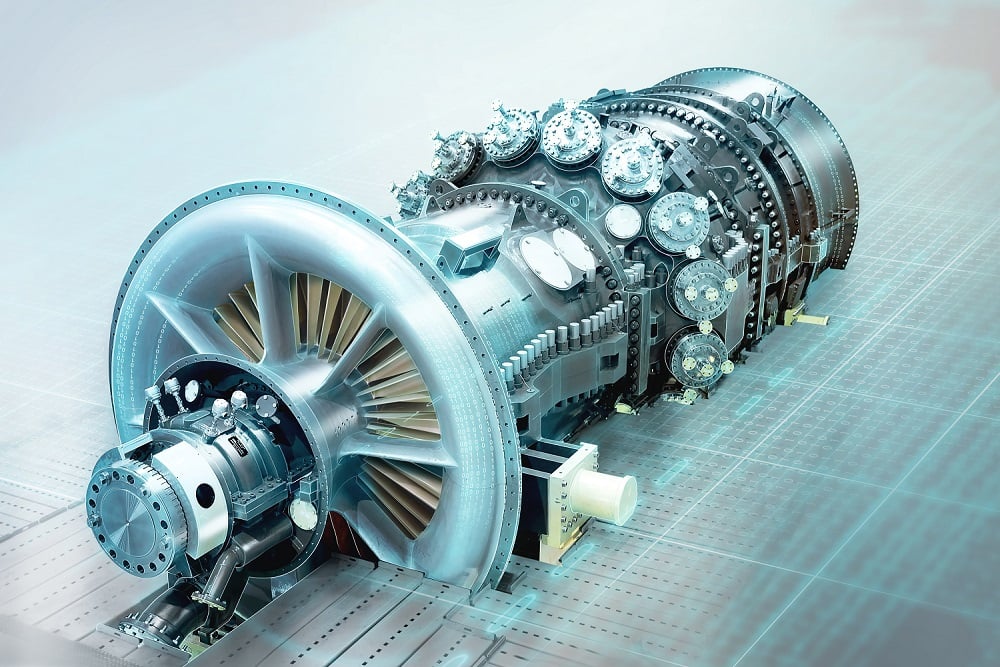
Baker Hughes, an energy technology company, plans to supply three gas compression units for a natural gas pipeline project in Argentina. The project consists of three NovaLT™16 gas turbines with three centrifugal compressors. The NovaLT™16 platform addresses Argentina’s gas sector challenges such as transport. It does so through powering centrifugal compressors in pipeline systems, increasing gas throughput capacity without new pipelines, and stabilizing pressure across long-distance transmission. The compression units will move gas from Vaca Muerta to San Matias and supply feed gas to floating LNG vessels for export. The platform will also embed within a pipeline-to-LNG system. This will be ideal since LNG exports need consistent and high-pressure feed gas. The deployment includes remote monitoring and diagnostics, commissioning services, spare parts, and lifecycle support. This model shifts Argentina’s gas sector toward performance-based infrastructure management. These connections depend on high-quality electrical compression terminals to terminate electrical conductors.
Compression terminals create high-integrity electrical connections for the power supply systems running compressor stations, control systems, and other facilities. The terminals create pressure-proof electrical penetrations and connectors. This results in durable and leak-tight seals that can withstand extreme pressures and temperatures without aging. These terminals maintain the integrity of the electrical barrier, prevent short circuits and arcing, and ensure the safe operation of high-voltage equipment. Compression terminals assist in assembling natural gas distribution and service piping in Argentina. Compression terminals are some of the hardware showcased at the upcoming Canton Fair in China, with discussions across its operation, manufacture, and quality assurance.
Quality assurance for compression terminals for use in natural gas infrastructure in Argentina
Compression terminals integrate turbomachinery, pressure systems, control architecture, and civil works. Conducting quality assurance for the terminals prevents failures through redundant control systems, conservative design margins, and monitoring and preventive maintenance. The quality assurance framework goes throughout design, manufacturing, construction, and operation. QA ensures operational reliability under continuous load, safety in high-pressure and high-risk environments, and long-term asset performance and economic viability. The early stage of quality assurance conducts process design validation, hazard and operability studies, and standard compliance.
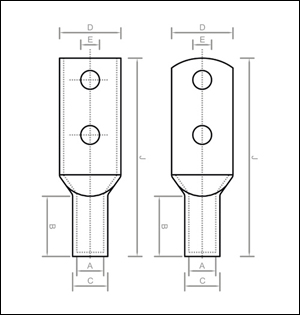
Design QA ensures that the terminal can handle long-distance gas transport requirements. It also ensures turbines and compressors and pressure systems meet fabrication standards during manufacture. QA measures during compression terminal installation include foundation verification, piping installation, mechanical alignment checks, and instrumentation calibration. QA prevents risks such as compressor surge, turbine overheating, pipeline overpressure, and corrosion in piping and vessels.
Functions of the compression terminals in natural gas infrastructure
Compression terminals support the gas transmission network, converting reservoir output into a controllable, transportable flow. The terminals ensure the gas moves efficiently, safely, and economically from wellhead to global markets. Here are their key functions in the infrastructure.
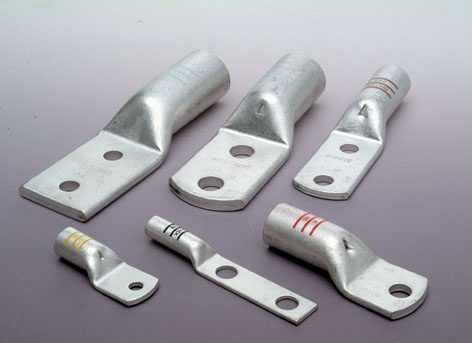
- Boosting pressure for transport—Increasing pressure helps overcome frictional losses in pipelines, elevation changes, and flow resistance from valves and fittings. The terminals maintain flow over long distances in Argentina.
- Flow rate control—compression terminals regulate volumetric flow rates based on demand. They enable operators to increase throughput, reduce flow during low demand, and balance supply between delivery points.
- Enabling gas evacuation from production basins—the terminals allow rapid evacuation of produced gas and stabilize upstream production by maintaining backpressure limits.
- System balancing and network stability—compression terminals balance pressure, prevent pressure drops, and coordinate flows between interconnections.
- Support for pipeline integrity—compression terminals prevent overpressure conditions, reduce risks of leaks, and enable safe operation of high-pressure transmission systems.
How gas turbine technologies influence Argentina’s energy sector
The deployment of the NovaLT™16 platform in Argentina’s natural gas sector delivers benefits across infrastructure efficiency, export capability, energy security, and economic values. Key impacts include:
- Unlocking Vaca Muerta’s full production potential—Baker Hughes compression technology enables high-volume gas evacuation from production zones.
- Enabling LNG export infrastructure—the system deployment will transport gas to the Gulf of San Matias, feed floating LNG vessels, and support production volumes.
- Increased energy security—the development contributes to a more reliable domestic gas supply and reduced dependence on imports.
- Infrastructure development—Baker Hughes contributes to infrastructure development through short delivery and installation timelines, modular turbine design, and integrated service packages.
- Technology transfer and industry modernization – the introduction of advanced turbomachinery raises engineering and operational standards. It also encourages adoption of high-efficiency compression technologies.