
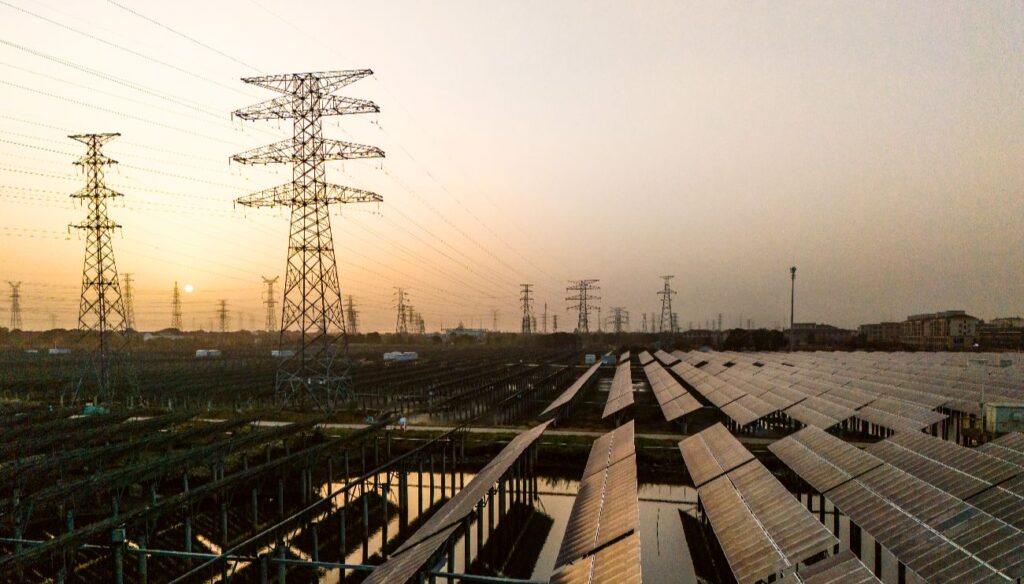
Argentina’s energy system is undergoing a transition from the expansion of renewable energy, the development of natural gas from Vaca Muerta, and the need for new storage and transmission solutions. This has helped the country to move from an energy system with strong constraints and scarcity to one of energy abundance. The new energy sector combines solar PV and wind power with growing gas production. The expansion of renewables leads to rapid scaling of installed wind and solar capacity, attraction of international developers, and establishment of long-term PPAs that de-risk investments. Wind power and solar farms reduce reliance on thermal generation during high-demand periods. Integration of renewables with natural gas creates a hybrid energy model where renewables supply low-cost energy and gas ensures reliability. However, the current state of the transmission network is limiting renewable expansion. Upgrading the transmission infrastructure needs robust hardware such as armor rods.
Using the armor rod in the renewable infrastructure ensures the stability and longevity of Argentina’s expanding renewable energy network. The rods protect various points of overhead conductors from the environmental and mechanical stresses common in Argentina. Armor rods absorb and reduce the stress of wind-induced vibrations to protect the long transmission lines. They also create a protective helical buffer between the conductor and its support clamp. The rods secure conductors at attachment points on towers in solar farms in the region. Armor rods protect conductors from electrical damage and environmental corrosion. They protect conductors in coastal wind farms from salt spray and areas with industrial pollution. Armor rods enable a smarter and more reliable grid that can handle unique demands of renewable energy. They help create a reliable foundation for AI-driven energy management and data collection.
Quality assurance for armor rods used in Argentina’s renewable expansion
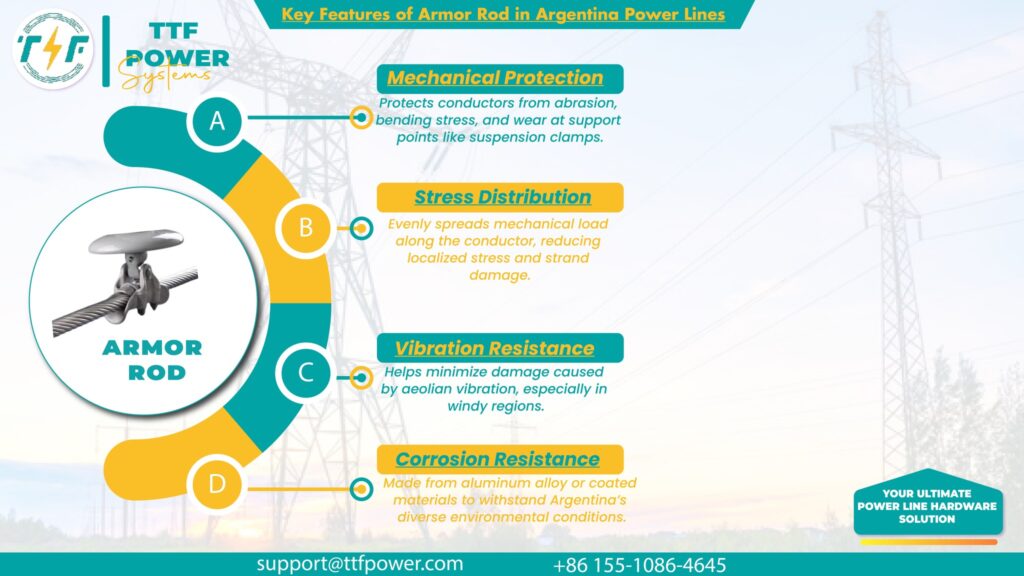
Enhancing quality assurance for armor rods ensures mechanical reliability and conductor protection to prevent fatigue failure, abrasion, and stress concentration of overhead lines. Armor rods are essential for maintaining conductor longevity under high mechanical and environmental stress. Quality assurance for the armor rod influences stress distribution, protection against abrasion, and mitigation of vibration-induced fatigue. QA ensures armor rods reduce micro-bending and fretting damage, which causes conductor failure. Quality assurance verifies the alloy composition and tensile properties, uniform galvanization, and surface smoothness to prevent conductor damage. The process also includes design precision, mechanical performance testing, fatigue resistance validation, corrosion testing, installation quality control, and compatibility with system components. Quality assurance ensures the armor rods function with suspension clamps, strain clamps, and conductors of different construction.
Key roles of armor rods in Argentina’s renewable expansion measures
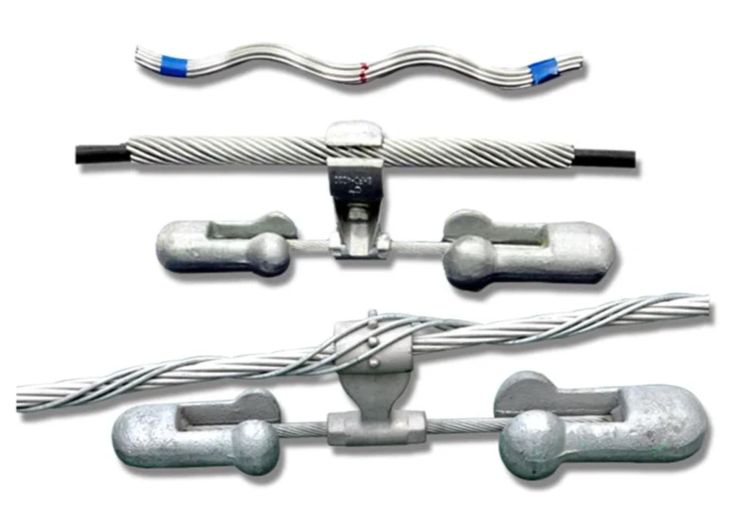
Armor rods are auxiliary conductor protection and stress management components that ensure the reliability of transmission and distribution systems. Armor rods help maintain conductor integrity and reduce lifecycle failures. The rods mitigate mechanical wear, reduce vibration-induced fatigue, and extend conductor lifespan. Here are the roles of armor rods in Argentina’s renewable expansion infrastructure.
- Support for scalable renewable infrastructure—the armor rod enable reliable deployment of new overhead lines and scalability without compromising conductor health.
- Contribution to grid reliability and stability—armor rods enhance system performance by preventing localized failures that could lead to line outages. They also maintain consistent conductor performance under variable renewable output.
- Compatibility with modern high-capacity conductors—renewable expansion uses advanced conductors to increase transmission capacity. Using armor rod ensures these conductors are mechanically protected without compromising performance.
- Stress redistribution—armor rods serve at suspension points, dead ends, and near fittings where conductors experience localized mechanical stress concentration. Armor rods spread mechanical loads, reduce peak stress, and prevent deformation of outer conductor strands.
The role of investments in renewable energy expansion in Argentina
Increased investments in Argentina’s renewable energy expansion determines project bankability, deployment speed, infrastructure quality, and market competitiveness. Capital allocation shapes the pace and structure of the transition to support the integration of Vaca Muerta with variable renewables. Investments through the RenovAr program enable large-scale wind and solar installations and risk mitigation for developers. The energy sector also attracts international investors due to high-quality natural resources, competitive auction pricing, and dollar-linked contracts. This investment leads to access to advanced technology and engineering expertise, lower cost of capital, and integration into global renewable supply chains. Argentina will also upgrade its transmission infrastructure to accommodate the increased renewable energy and integrate with energy storage systems.